
Тра 28, 2026
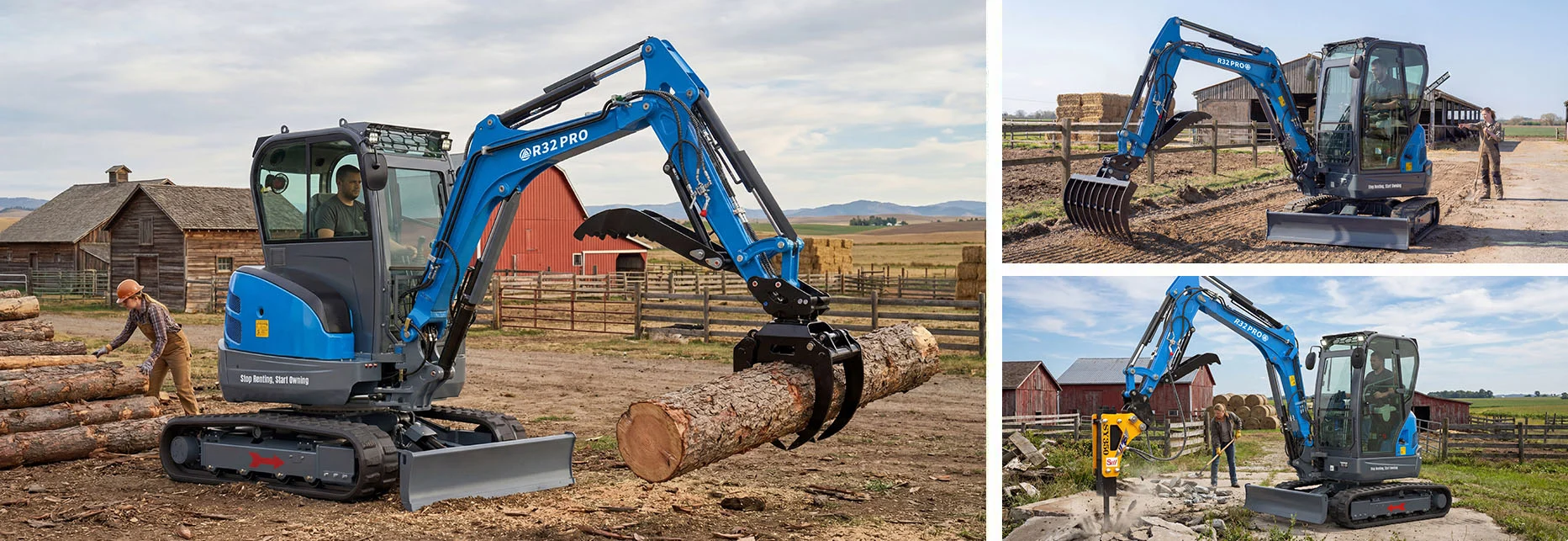
Choose a mini excavator if: You need to dig deep trenches, remove stumps, excavate foundations, or dig ponds. Excavators have far greater digging depth and breakout force. They are purpose‑built for digging.
Choose a compact track loader (skid steer) if: You need to load trucks, grade surfaces, move material, and use multiple attachments. Skid steers excel at material handling, grading, and working in tight spaces with zero‑radius turn.
The bottom line: If your primary task is digging deep, get an excavator. If your primary task is loading and grading, get a skid steer. Many contractors own both – but if you can only buy one, let your deepest project decide.
 1. Digging Depth Comparison
| Machine Type | Typical Digging Depth | Best For |
|---|---|---|
| Skid steer (bucket) | 6‑12 inches | Surface grading, material loading |
| Skid steer (backhoe attachment) | 5‑8 feet | Occasional trenching (less effective) |
| Mini excavator (1‑2 tons) | 6‑9 feet | Drainage, footings, small stumps |
| Mini excavator (2‑3 tons) | 9‑12 feet | Deep trenches, pools, foundations |
| Excavator (3‑5 tons) | 12‑15 feet | Commercial excavation |
Key difference: A skid steer with a bucket cannot dig deep holes. An excavator is purpose‑built for digging. If your project requires digging deeper than 2 feet, an excavator is the right tool.
| Особливість | Міні-екскаватор | Компактний гусеничний навантажувач |
|---|---|---|
| Turning radius | Swing radius (requires space) | Zero radius turn |
| Best for tight spaces | Good (with zero tail swing models) | Чудово. |
| Working near walls | Requires zero tail swing model | Easy |
| Gate access (36″) | Some models fit (R319 at 917 mm) | Too wide (typically 39‑60″) |
Key difference: Skid steers turn within their own length – ideal for crowded job sites. Excavators have superior digging capability but may require more space to swing. Zero tail swing excavators bridge this gap.
| Вкладення | Міні-екскаватор | Компактний гусеничний навантажувач |
|---|---|---|
| Відро | Standard | Standard |
| Вила для піддонів | No | Yes |
| Грейпл! | Yes (with auxiliary hydraulics) | Yes |
| Шнек. | Yes | Yes |
| Snow blade | Yes (with adapter) | Yes |
| Гідравлічний вимикач | Yes | Yes |
| Траншейний копач | No | Yes |
| Sweeper broom | No | Yes |
| Stump grinder | No | Yes |
Key difference: Skid steers can use dozens of attachments, making them a true multi‑tool. Excavators have fewer attachment options but excel at their primary function – digging.
| Machine Type | New Price Range | Used Price Range | Operating Cost (per hour) |
|---|---|---|---|
| Mini excavator (1.5‑2t) | 22,000‑32,000 | 14,000‑22,000 | 5‑10 |
| Compact track loader (medium) | 25,000‑40,000 | 15,000‑25,000 | 8‑15 |
Key difference: Excavators typically have lower operating costs (less fuel consumption, simpler maintenance). Skid steers have higher fuel consumption but more versatility.
| Primary Task | Recommended Machine |
|---|---|
| Digging deep trenches | Mini excavator |
| Removing stumps | Mini excavator |
| Excavating foundations | Mini excavator |
| Digging ponds | Mini excavator |
| Завантаження вантажівок | Compact track loader (vertical lift) |
| Grading driveways | Either (both can grade) |
| Moving pallets | Compact track loader (pallet forks) |
| Прибирання снігу | Compact track loader (snow blade or blower) |
| Land clearing | Either (excavator for stumps, skid steer for brush) |
| Demolition | Either (skid steer for debris, excavator for breaking) |
If you can only buy one machine, ask yourself:
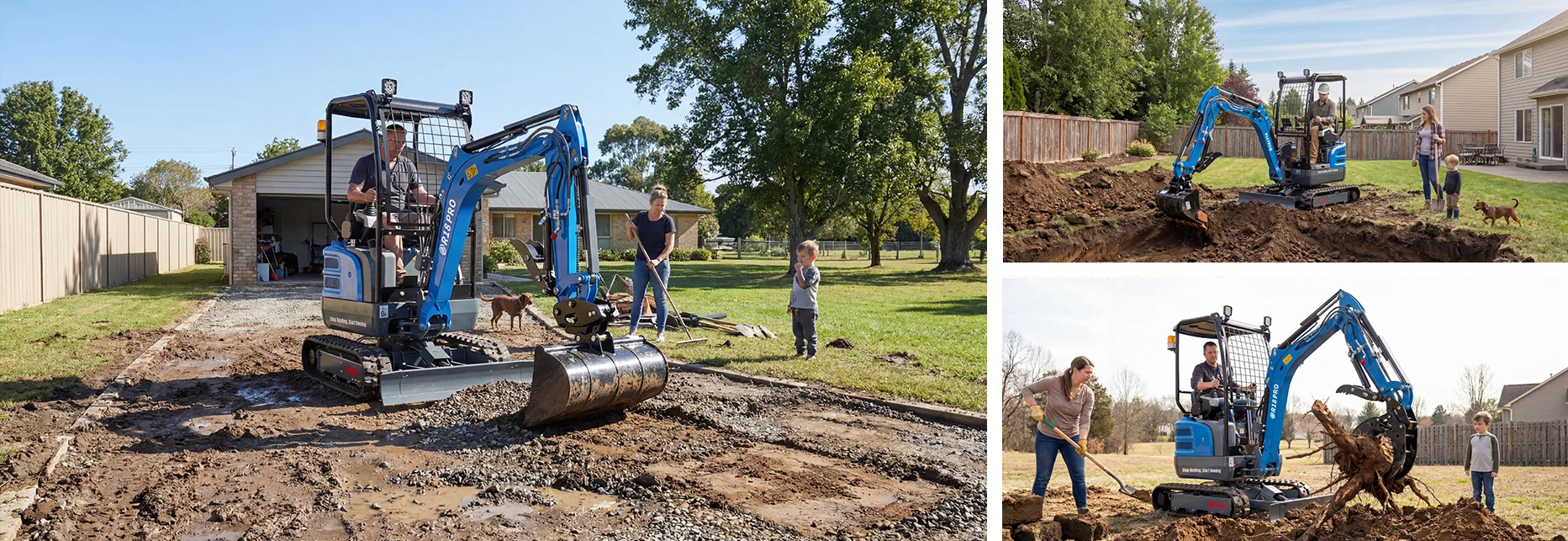
Choose a mini excavator if:
Your primary work is digging deep trenches, foundations, or ponds
You need to remove stumps regularly
You work in tight access areas (backyards with gates)
Loading trucks is secondary
Choose a compact track loader if:
Your primary work is loading, grading, and material handling
You need to use many different attachments
You work on paved surfaces
Deep digging is rare (less than 2 feet)
Best compromise: Many contractors start with a skid steer (for versatility) and rent an excavator for deep digging projects. Or start with an excavator and use a bucket for light grading. Neither machine does everything perfectly.
Q: Can a skid steer dig a pond?
A: A skid steer can scrape and move soil, but it cannot dig deep holes. For a pond deeper than 2 feet, an excavator is the right tool.
Q: Can an excavator load trucks?
A: Yes, but slower than a skid steer. Excavators have less lift height and slower cycle times. A skid steer with vertical lift is best for truck loading.
Q: Which machine has more attachment options?
A: Skid steers have dozens of attachments – from buckets and forks to graders, sweepers, and stump grinders. Excavators have fewer but specialize in digging.
Q: Which machine is easier to transport?
A: Both require trailers and proper trucks. Small excavators (under 1,500 kg) can be towed with a half‑ton pickup. Skid steers are generally heavier.
Q: Can I use a backhoe attachment on a skid steer?
A: Yes, but backhoe attachments for skid steers have limited depth (5‑8 feet) and are less powerful than a dedicated excavator. For occasional trenching, it works; for frequent digging, buy an excavator.
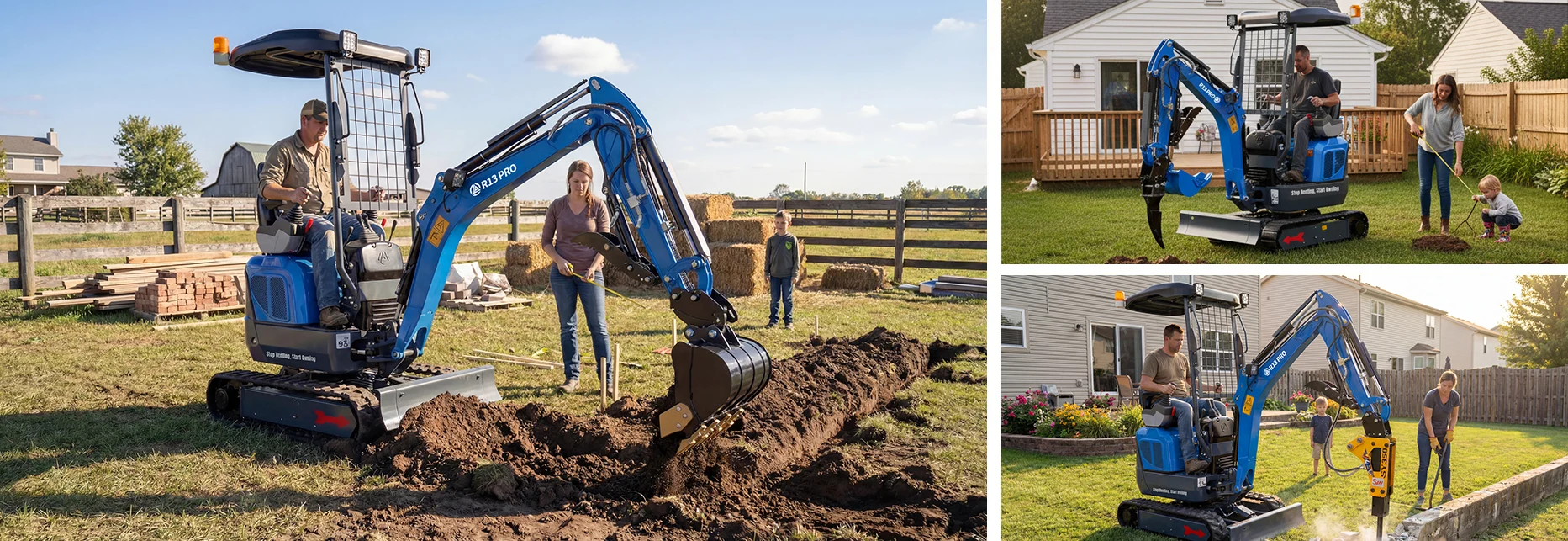
The choice between a міні-екскаватор and a compact track loader comes down to your primary task. Mini excavators excel at digging deep holes, removing stumps, and foundation work. Compact track loaders excel at loading, grading, and using multiple attachments. If you can only buy one, let your deepest project decide. Many owners eventually acquire both – but start with the machine that matches 80% of your work.
Next step: List your top three projects. If digging depth is critical, choose an excavator. If material handling is more important, choose a skid steer. Then rent the other as needed.


 Головна сторінка
 Продукти
 Електронна пошта
 WhatsApp