
Лип 07, 2026
Learning operating a skid steer correctly is essential for improving productivity and maintaining job site safety. Skid steer loaders are widely used in construction, landscaping, agriculture, and material handling because they are compact, maneuverable, and compatible with a wide range of attachments.
For new operators, understanding the machine’s controls, safety features, and operating techniques can prevent accidents and reduce equipment wear. For experienced operators, refining best practices can lead to smoother performance and lower operating costs.
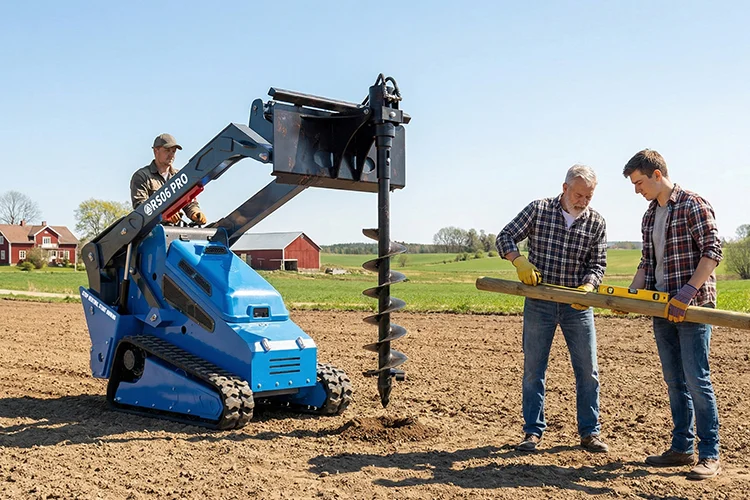
A skid steer loader is a compact machine designed to perform multiple tasks through interchangeable attachments. It turns by controlling the wheels on each side independently, allowing it to pivot within its own footprint.
Common applications include:
Loading and transporting materials
Grading and leveling surfaces
Landscaping and site preparation
Snow removal and sweeping
Trenching, drilling, and demolition support
Because of its versatility, a skid steer loader is often one of the most valuable machines on a job site.
Before operating a skid steer, conduct a thorough inspection to ensure the machine is in safe working condition.
Check tires or tracks for wear and proper condition.
Inspect hydraulic hoses for leaks or damage.
Verify that fluid levels are within the recommended range.
Ensure the attachment is securely connected.
Test lights, alarms, and safety devices.
Remove obstacles and debris from the operating area.
Identify uneven ground, slopes, and soft soil conditions.
Mark underground utilities before digging or trenching.
Ensure pedestrians and other workers are clear of the machine’s path.
Wear appropriate personal protective equipment, including a hard hat, safety boots, gloves, and eye protection.
Fasten the seat belt before starting the machine.
Adjust the seat and controls for comfortable operation.
Review the operator’s manual for machine-specific instructions.
Modern skid steer loaders may use joystick controls, hand-and-foot controls, or pilot controls depending on the model. Regardless of the configuration, operators should understand the primary functions before beginning work.
Travel control: Moves the machine forward, backward, and turns it left or right.
Lift control: Raises and lowers the loader arms.
Tilt control: Tilts the bucket or attachment forward and backward.
Auxiliary hydraulics: Powers attachments such as augers, trenchers, and sweepers.
Spend time practicing control movements in an open area before working in confined or high-traffic environments.
Enter the cab using the designated steps and handholds.
Sit in the operator’s seat and fasten the seat belt.
Lower the safety bar or engage the restraint system.
Start the engine according to the manufacturer’s instructions.
Allow the machine to warm up briefly before operating hydraulic functions.
Move the travel controls slowly to begin moving forward.
Practice gradual turns rather than abrupt pivots.
Keep the attachment low while traveling to maintain stability.
Reduce speed when operating near people, structures, or uneven terrain.
Raise the loader arms only as high as necessary for the task.
Tilt the attachment carefully to control material placement.
Avoid sudden movements that could shift the load unexpectedly.
Keep bystanders clear of the attachment’s operating range.
Safety should always be the top priority when operating a skid steer.
Keep heavy loads low to the ground while traveling.
Avoid carrying loads that obstruct the operator’s view.
Travel slowly on slopes and avoid sharp turns on uneven ground.
Do not exceed the machine’s rated operating capacity.
Check mirrors and surroundings before backing up.
Use backup alarms and spotters when visibility is limited.
Move slowly and stop immediately if a person enters the travel path.
Choose the appropriate attachment for the job.
Ensure hydraulic connections are properly secured.
Follow attachment-specific operating instructions.
Inspect attachments regularly for wear and damage.
Driving with the load raised too high: This increases the risk of tipping.
Making sudden turns at high speed: Abrupt movements can destabilize the machine.
Ignoring blind spots: Skid steers have limited rear visibility, so constant awareness is necessary.
Overloading the machine: Exceeding the recommended capacity can damage components and create safety hazards.
Skipping daily inspections: Small mechanical issues can become costly repairs if left unaddressed.
Efficient skid steer operation reduces fuel consumption, minimizes wear, and increases productivity.
Plan the work path before beginning a task.
Minimize unnecessary travel by positioning materials strategically.
Use smooth, controlled movements instead of abrupt acceleration or braking.
Select the correct attachment to complete the task more effectively.
Maintain the machine regularly to ensure optimal hydraulic and engine performance.
After completing the task, follow proper shutdown procedures to protect both the operator and the machine.
Park the skid steer on level ground whenever possible.
Lower the attachment completely to the ground.
Place the controls in neutral and engage the parking brake.
Allow the engine to idle briefly if recommended by the manufacturer.
Turn off the engine and remove the key.
Inspect the machine for damage or maintenance needs before the next use.
While skid steer loaders are designed for ease of use, proper training is essential for safe operation. Many employers require operators to complete equipment safety training before using a skid steer on a job site.
Training should cover:
Machine controls and functions
Safe driving techniques
Load handling procedures
Attachment operation
Emergency response procedures
Routine maintenance checks
Ongoing practice and refresher training help operators maintain confidence and stay updated on best practices.
Operating a skid steer safely and efficiently requires a combination of proper training, pre-operation inspection, control familiarity, and disciplined work habits. By following established safety procedures and using the machine within its intended limits, operators can maximize productivity while reducing the risk of accidents and equipment damage.
Whether you are new to skid steer operation or looking to improve your skills, consistent practice and attention to safety will help you become a more effective and confident operator.


 Головна сторінка
 Продукти
 Електронна пошта
 WhatsApp