
Juin 02, 2026
Front end loaders and compact wheel loaders have become essential machines in construction, agriculture, landscaping, and material handling industries. Their compact design, excellent maneuverability, and versatile performance make them ideal for projects where space is limited but productivity remains a priority.
Unlike larger wheel loaders designed for heavy mining or large-scale earthmoving operations, compact wheel loaders provide the perfect balance between power, efficiency, and flexibility. They can easily operate in confined spaces while delivering impressive lifting and loading capabilities. As a result, they are widely used by contractors, farmers, municipalities, and industrial operators worldwide.
This guide explores the key features, benefits, applications, and purchasing considerations for front end loaders and compact wheel loaders.
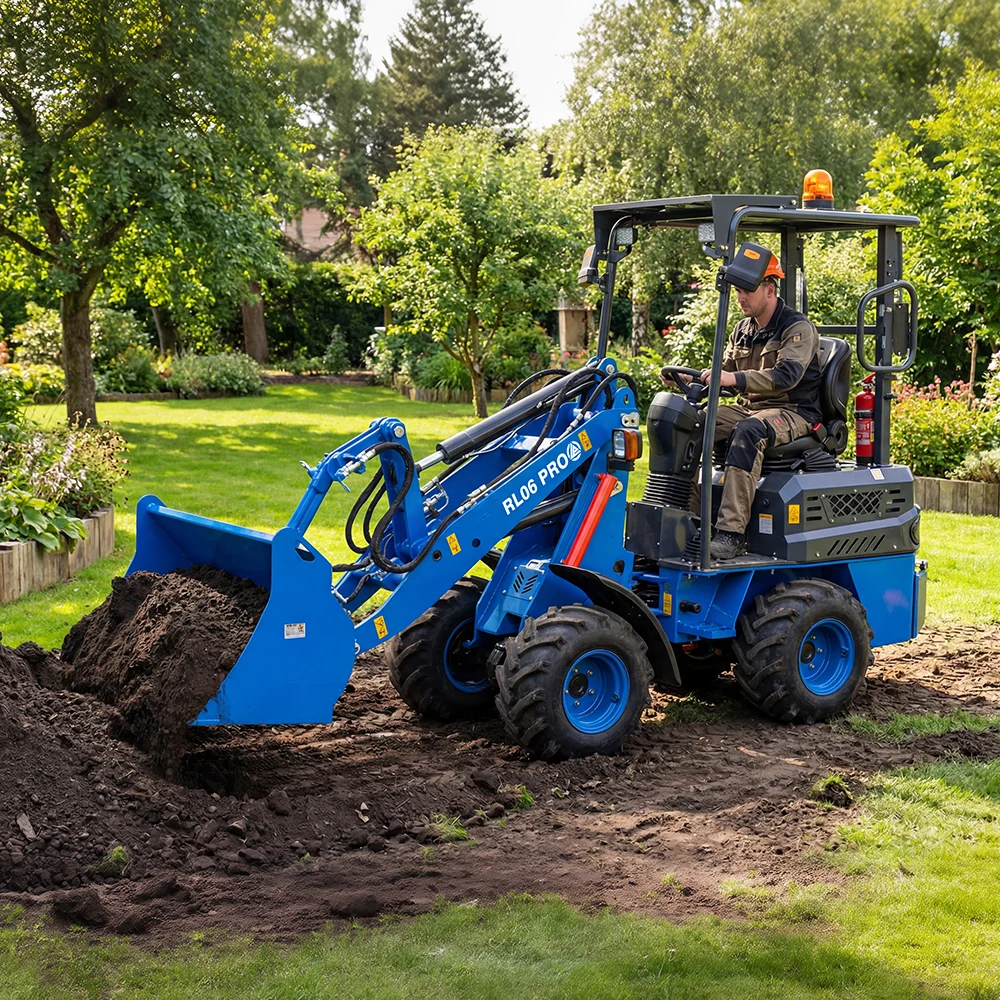
A front end loader is a type of construction machine equipped with a front-mounted bucket used for loading, lifting, carrying, and transporting materials. Depending on the machine size and design, front end loaders can be used in various industries to handle materials such as soil, sand, gravel, snow, feed, and construction debris.
The front bucket is operated by a hydraulic system that allows operators to lift, lower, and dump materials efficiently. Modern front end loaders can also be equipped with various attachments, significantly expanding their functionality.
A compact wheel loader is a smaller version of a traditional wheel loader. It offers the same basic functionality but is specifically designed for jobs that require greater maneuverability and easier transportation.
Compact wheel loaders typically feature:
These advantages make compact wheel loaders particularly attractive for urban construction projects, farms, landscaping businesses, and warehouses.
One of the biggest advantages of compact wheel loaders is their ability to work efficiently in restricted spaces.
They can easily operate in:
Their compact footprint allows operators to access areas that larger machines cannot reach.
Compact wheel loaders are designed with articulated steering systems that provide superior turning performance.
Benefits include:
This makes them ideal for jobs requiring precision and flexibility.
Modern compact wheel loaders are equipped with fuel-efficient engines that deliver strong performance while minimizing fuel consumption.
Parmi les avantages, on peut citer :
For businesses operating multiple machines, fuel savings can significantly impact overall operating expenses.
Manufacturers increasingly focus on operator comfort and safety.
Modern cabins often include:
Comfortable operators are more productive and less likely to experience fatigue during long work shifts.
Construction companies rely heavily on compact wheel loaders for daily operations.
Parmi les applications courantes, on peut citer :
Their versatility allows contractors to complete multiple tasks using a single machine.
Landscaping professionals benefit from the compact size and flexibility of these machines.
Typical tasks include:
The ability to work without damaging surrounding areas is particularly valuable in landscaping projects.
Compact wheel loaders have become increasingly popular on modern farms.
Farm applications include:
Various agricultural attachments further increase machine versatility.
Many warehouses and distribution centers use compact wheel loaders for material handling.
Benefits include:
Their mobility allows operators to move materials quickly across large facilities.
Local governments often use compact wheel loaders for public works and maintenance activities.
Common municipal applications include:
Their year-round usability maximizes return on investment.
One of the key advantages of compact wheel loaders is their ability to utilize multiple attachments.
Idéal pour :
Used for:
Suitable for:
Conçu pour :
Help maintain:
Quick attachment changes allow operators to maximize machine productivity throughout the day.
Compact wheel loaders can perform multiple tasks efficiently, reducing project completion times and improving overall productivity.
Compared to larger machines, compact wheel loaders typically offer:
These factors contribute to a lower total cost of ownership.
The ability to switch between attachments allows businesses to use one machine for numerous applications, reducing the need for additional equipment.
Quality compact wheel loaders often maintain excellent resale value due to their popularity across multiple industries.
Before purchasing a compact wheel loader, buyers should evaluate several important factors.
The machine’s operating weight should match the intended application and work environment.
Bucket size directly affects loading efficiency and productivity.
Adequate horsepower ensures reliable performance under demanding conditions.
Strong hydraulic systems improve attachment compatibility and operational efficiency.
Choose a manufacturer or supplier that offers:
Reliable after-sales service can significantly reduce downtime and maintenance costs.
The compact wheel loader market continues to evolve with new technologies.
Emerging trends include:
These innovations help businesses improve productivity while meeting environmental and sustainability goals.
Front end loaders and compact wheel loaders provide an ideal combination of versatility, efficiency, and affordability. Their compact size, excellent maneuverability, and ability to utilize multiple attachments make them valuable assets across construction, agriculture, landscaping, logistics, and municipal industries.
Whether you are managing a construction site, operating a farm, or maintaining public infrastructure, a compact wheel loader can help improve productivity, reduce operating costs, and maximize equipment utilization. By choosing a reliable manufacturer and selecting the right machine configuration, businesses can achieve long-term performance and a strong return on investment.


 Accueil
 Produits
 Courriel
 WhatsApp