5 月 31, 2026
Many equipment buyers encounter the terms “payloader” and “wheel loader” when researching construction machinery. This often leads to confusion about whether these machines are different or simply different names for the same equipment.
This article explains the similarities and differences between payloaders and wheel loaders and helps buyers understand industry terminology.
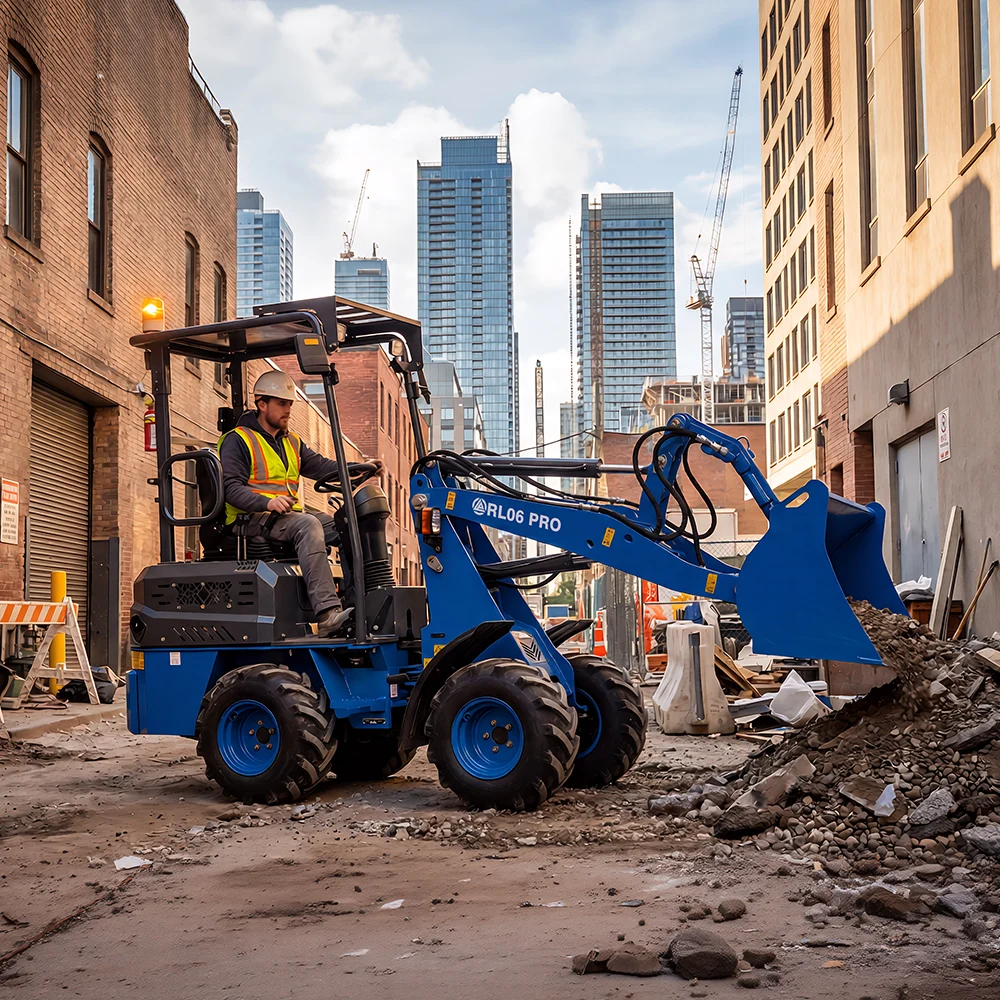
The term “payloader” originated decades ago when loaders were primarily used to load materials into trucks. The machine’s main purpose was to create a payload for transportation.
Over time, the name became widely used across North America.
A wheel loader is a versatile machine equipped with:
The machine is designed for loading, transporting, and handling materials efficiently.
Today, “wheel loader” is the preferred industry term used by most manufacturers worldwide.
In most cases, no.
The terms generally describe the same machine.
Both feature:
The difference is primarily terminology rather than design.
Regional preferences often influence equipment naming.
Many operators and contractors still use the term “payloader.”
Manufacturers and buyers typically use the term “wheel loader.”
Official product catalogs, specifications, and marketing materials increasingly favor “wheel loader.”
Modern wheel loaders can perform multiple tasks using interchangeable attachments.
High lifting capacity and fast cycle times improve jobsite efficiency.
Designed to withstand demanding working conditions.
Advanced engine technology reduces fuel consumption and emissions.
The terms payloader and wheel loader generally refer to the same type of machine. While “payloader” remains common in certain regions, “wheel loader” has become the globally accepted industry term.
Understanding this terminology helps buyers make informed decisions when comparing equipment and communicating with manufacturers.



 首页
首页
 产品
产品
 电子邮件
电子邮件
 WhatsApp