
sty 09, 2026
Evaluating skid steer machine suitability requires understanding how machine characteristics align with actual working conditions rather than identifying a single optimal option. Key decision dimensions typically include intended use scenarios, operating frequency, basic performance requirementsoraz site and maintenance constraints. Each dimension introduces trade-offs: higher capacity may reduce maneuverability, compact size may limit lift height, and attachment versatility may increase system complexity. Because job sites, materials, and workflows vary widely, there is no unified optimal choice that fits all users. Suitability depends on how well the machine’s functional boundaries match real operational needs and limitations.
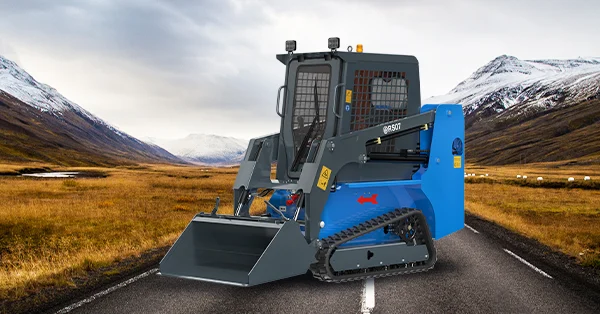
Defining the primary use scenario is fundamental. Skid steers are commonly used for material handling, site cleanup, grading, and attachment-based tasks. However, surface conditions, available space, and task type influence whether a skid steer’s operating characteristics are appropriate.
Operating frequency affects durability expectations and maintenance planning. Occasional use places different stress patterns on components than daily or continuous operation. Higher utilization generally requires greater tolerance for wear and consistent maintenance access.
Before purchase, it is necessary to clarify baseline requirements such as:
These requirements help establish functional limits rather than focusing on maximum specifications.
Key skid steer parameters define operational boundaries:
Increased capability in one parameter often introduces constraints in another, requiring balance rather than maximization.
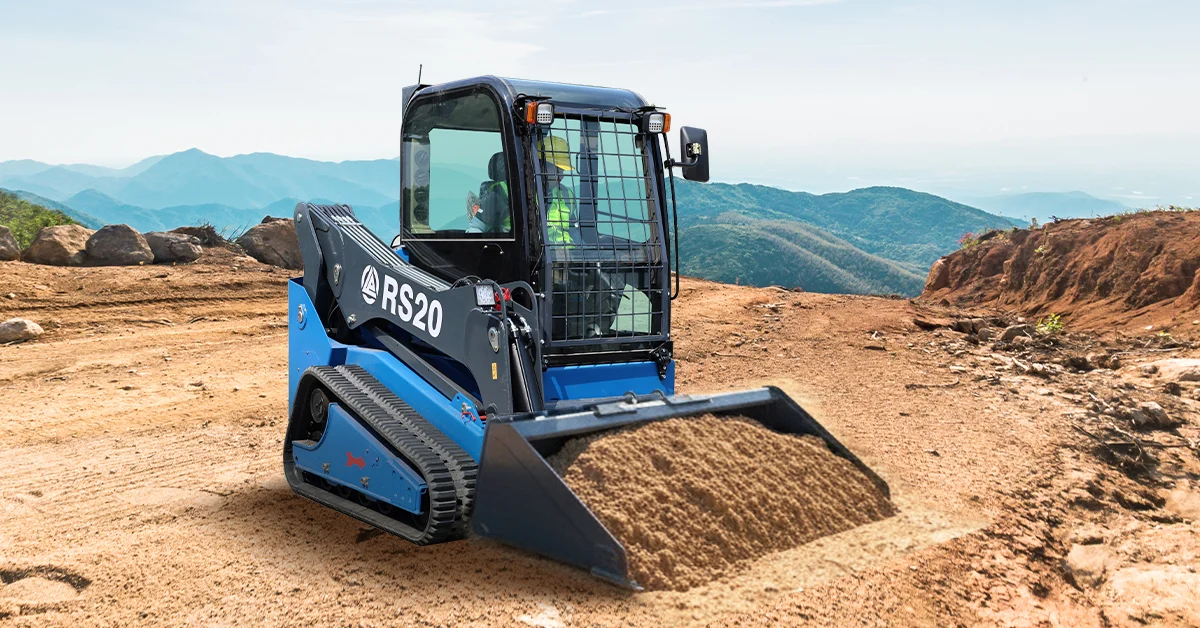
Construction environments typically emphasize:
Landscaping tasks often prioritize:
Indoor use places greater emphasis on:
Environmental factors such as dust, moisture, temperature variation, and surface hardness affect wear rates and system stress. Limited access to service support can constrain acceptable mechanical complexity.
Maintenance demands scale with:
Sustainable operation depends on aligning machine demands with available maintenance capacity.
A skid steer may not be suitable under the following conditions:
In these cases, alternative equipment categories may better align with task requirements.
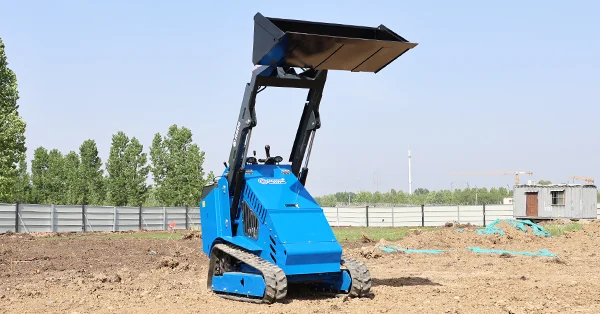
No. Higher capacity expands lifting range but may reduce access and maneuverability.
No. Performance is closely tied to surface conditions and ground stability.
No. Attachment performance depends on hydraulic parameters and operating limits.
Skid steer machine suitability should be approached as a matching process, not a search for a single answer. Effective purchase decisions depend on reasonable alignment between use scenarios, parameter boundaries, and operating constraints. Rather than assuming a universal solution, focusing on reasonable matching under specific conditions supports sustainable and practical equipment use.





 Strona główna
 Produkty
 E-mail
 WhatsApp