
kesä 08, 2026
As construction, mining, agriculture, and material handling industries continue to evolve, the wheel loader remains one of the most essential pieces of heavy equipment worldwide. Known for its versatility, efficiency, and durability, a wheel loader is designed to load, transport, and move materials quickly across job sites.
Whether you’re a contractor, equipment buyer, or fleet manager, understanding how wheel loaders work and how to choose the right machine can help maximize productivity and reduce operational costs.
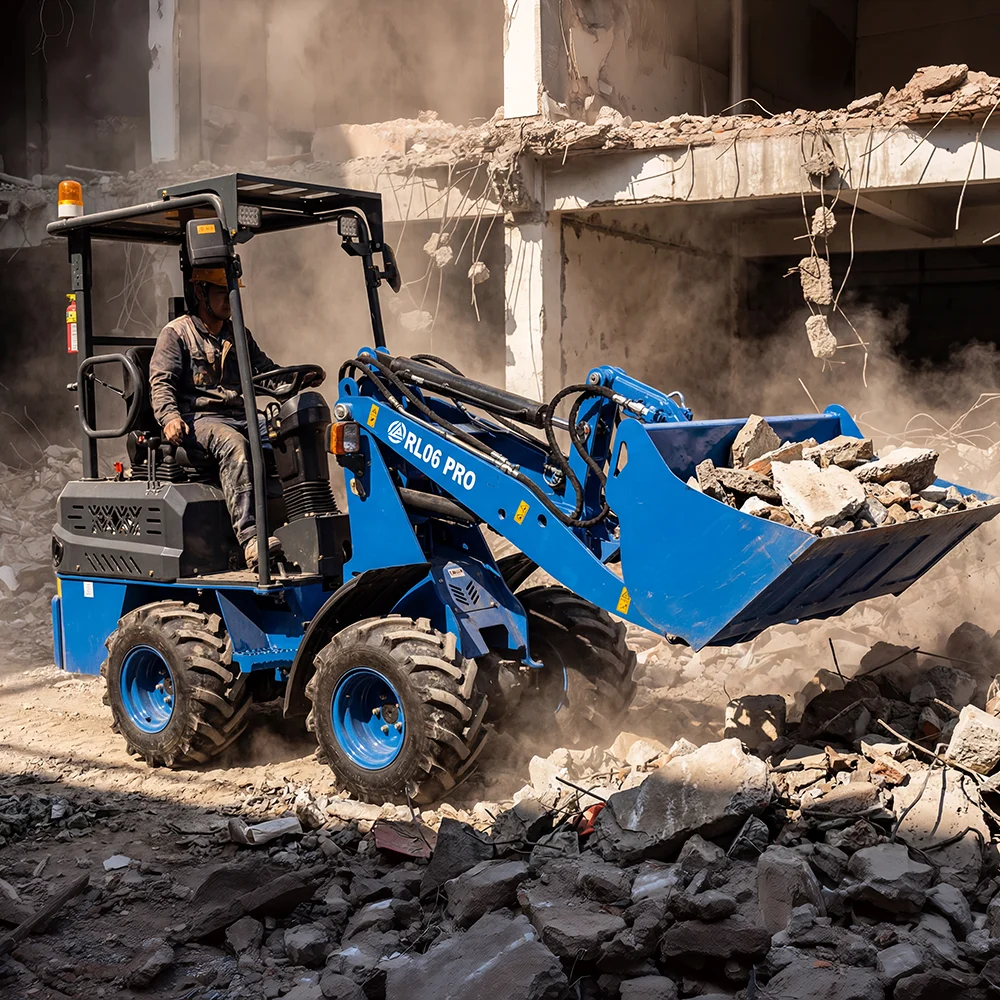
A wheel loader, sometimes called a front-end loader or bucket loader, is a heavy-duty machine equipped with a large bucket mounted on the front. It operates on four wheels and is powered by a diesel or hybrid engine. The primary purpose of a wheel loader is to scoop, lift, carry, and load materials such as soil, gravel, sand, rocks, construction debris, and agricultural products.
Modern wheel loaders feature advanced hydraulic systems, ergonomic operator cabins, and intelligent control technologies that improve performance and fuel efficiency.
A typical wheel loader consists of:
Many wheel loaders can also support multiple attachments, including forks, grapples, snow pushers, and material handling tools, making them highly versatile machines.
Wheel loaders are widely used for loading trucks, moving construction materials, clearing debris, and site preparation.
In mining environments, wheel loaders transport ore, aggregates, and waste materials efficiently.
Farmers use wheel loaders to move feed, hay bales, fertilizer, and other bulk materials.
Recycling facilities and waste transfer stations rely on wheel loaders for handling large volumes of materials.
Factories, ports, and warehouses often use wheel loaders to manage bulk goods and raw materials.
Compact wheel loaders are ideal for confined workspaces and urban construction projects. They offer excellent maneuverability while maintaining strong lifting capacity.
Medium-sized models provide a balance between power and flexibility, making them suitable for most construction and industrial applications.
Large wheel loaders are designed for mining, quarrying, and large-scale infrastructure projects where maximum productivity is required.
When selecting a wheel loader, consider:
Evaluating these factors helps ensure the machine meets project demands and delivers a strong return on investment.
The wheel loader market is experiencing rapid innovation. Key trends include:
Manufacturers are focusing on reducing emissions while improving productivity and operator comfort.
A quality wheel loader offers:
For companies managing multiple projects, wheel loaders often become one of the most utilized and profitable pieces of equipment in the fleet.
Wheel loaders continue to be indispensable machines across construction, mining, agriculture, and industrial sectors. With advancements in technology and growing demand for efficient material handling solutions, investing in the right wheel loader can significantly improve operational performance. Understanding machine specifications, applications, and emerging trends will help businesses make informed equipment purchasing decisions in 2026 and beyond.


 Etusivu
 Tuotteet
 Sähköposti
 WhatsApp