
Juin 09, 2026
Wheel loaders are among the most widely used pieces of heavy equipment in the construction, mining, agriculture, and logistics industries. Designed to load, transport, and handle bulk materials efficiently, wheel loaders have become an essential investment for contractors and equipment fleet owners worldwide.
Whether you’re managing a construction project, operating a quarry, or handling materials at a port, choosing the right wheel loader can significantly improve productivity and reduce operating costs.
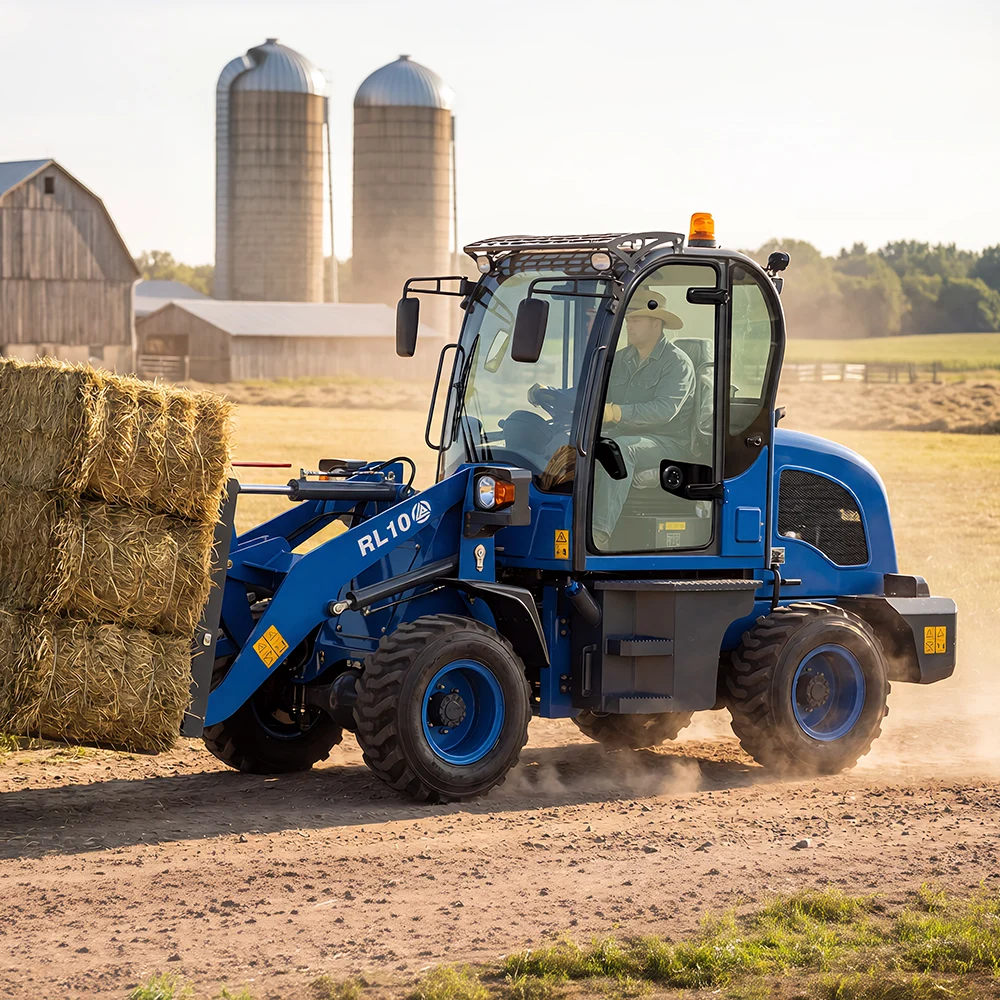
A wheel loader is a heavy-duty machine equipped with a front-mounted bucket that can scoop, lift, carry, and dump various materials. Unlike tracked loaders, wheel loaders use pneumatic tires, allowing them to move quickly across job sites while providing excellent maneuverability.
Modern wheel loaders are equipped with advanced hydraulic systems, fuel-efficient engines, and intelligent monitoring technologies that enhance performance and operator comfort.
Selecting the correct loader begins with understanding the different categories available.
Compact wheel loaders are ideal for projects with limited space.
Parmi les applications courantes, on peut citer :
Benefits:
Medium-sized wheel loaders are the most popular choice for contractors.
Suitable for:
They offer a balanced combination of power, bucket capacity, and operational efficiency.
Large wheel loaders are designed for high-production environments.
Industries that rely on large wheel loaders include:
These machines can move massive amounts of material in a single cycle, significantly improving productivity.
With sustainability becoming increasingly important, electric wheel loaders are entering the market.
Parmi les avantages, on peut citer :
Leading manufacturers continue investing heavily in electric equipment technology.
Wheel loaders move gravel, sand, concrete materials, and construction debris.
Mining operations depend on large wheel loaders for loading trucks and transporting ore.
Farmers use wheel loaders to move feed, fertilizer, hay, and other bulk materials.
Recycling centers utilize wheel loaders for sorting and transporting recyclable materials.
Wheel loaders help move bulk cargo efficiently in shipping terminals and warehouses.
Several manufacturers have established themselves as leaders in wheel loader technology and reliability.
Known worldwide for durability, advanced technology, and strong resale value.
Principaux avantages :
Komatsu is respected for engineering quality and fuel-efficient machines.
Strengths include:
Volvo focuses on operator comfort and fuel efficiency.
Benefits include:
Liebherr is recognized for innovative hydrostatic drive systems and premium engineering quality.
John Deere wheel loaders are popular among contractors looking for dependable performance and easy maintenance.
LiuGong has expanded rapidly in global markets thanks to competitive pricing and proven reliability.
XCMG offers modern wheel loaders with strong performance and attractive ownership costs.
Before purchasing, consider:
The machine should match the scale of your operation.
Larger buckets improve productivity but may require larger machines.
Fuel consumption significantly impacts long-term ownership costs.
Choose a manufacturer with strong local dealer support and readily available spare parts.
The purchase price is only one factor. Maintenance, fuel, service intervals, and resale value all affect profitability.
Wheel loaders remain one of the most versatile and productive machines in the heavy equipment industry. From compact loaders for landscaping to massive mining loaders, there is a machine designed for every application.
When selecting a wheel loader, focus on operational requirements, budget, dealer support, and long-term value. Leading manufacturers such as Caterpillar, Komatsu, Volvo, Liebherr, LiuGong, and XCMG continue driving innovation and providing solutions for businesses around the world.


 Accueil
 Produits
 Courriel
 WhatsApp