
maalis 11, 2026
Skid steer loaders have become essential machines in construction, agriculture, landscaping, and material handling. Their compact size, powerful lifting capacity, and versatile attachments make them one of the most useful pieces of equipment on any job site.
However, with so many skid steer brands on the market, buyers often ask a simple question: Which brand makes the best skid steer loader?
In this guide, we compare leading skid steer manufacturers, analyze key performance factors, and explore why RIPPA skid steer loaders are gaining strong attention in the global market.
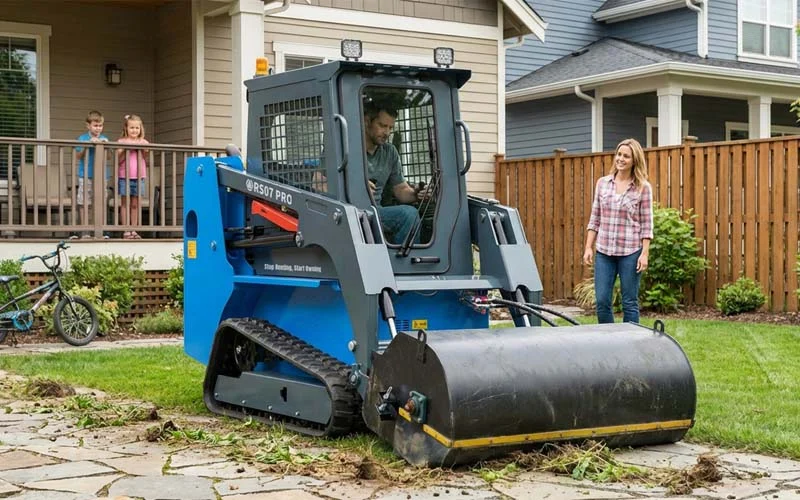
Before comparing brands, it is important to understand what defines a high-quality skid steer loader.
The best skid steer manufacturers focus on several core factors:
A strong engine and efficient hydraulic system determine how well a loader performs when lifting, digging, or operating attachments.
Construction equipment must withstand heavy daily use. Durable frames, reinforced booms, and high-quality components are essential.
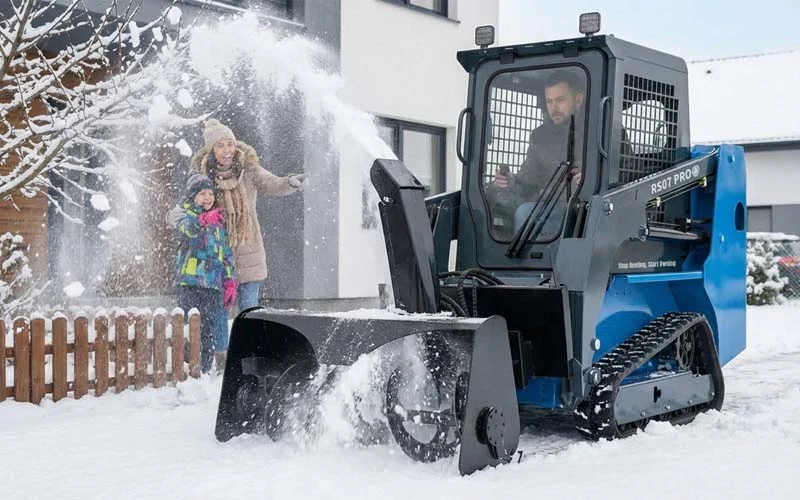
A good skid steer supports multiple attachments such as:
●Buckets
●Augers
●Pallet forks
●Snow blowers
●Grapples
Versatility is one of the biggest advantages of skid steer loaders.
Modern skid steers feature improved cabins, joystick controls, and better visibility to increase productivity and reduce operator fatigue.
Easy maintenance and global parts availability are also critical when choosing a brand.
Several manufacturers dominate the skid steer loader industry. Each brand has its own strengths depending on application and budget.
Bobcat is widely considered the pioneer of skid steer loaders. The brand is known for high reliability and strong resale value.
Caterpillar skid steers are famous for durability and powerful hydraulic systems, making them ideal for demanding construction environments.
John Deere loaders focus on operator comfort and smooth hydraulic performance. They are widely used in agriculture and landscaping.
Kubota offers compact and fuel-efficient skid steer loaders that are popular for smaller job sites and contractors.
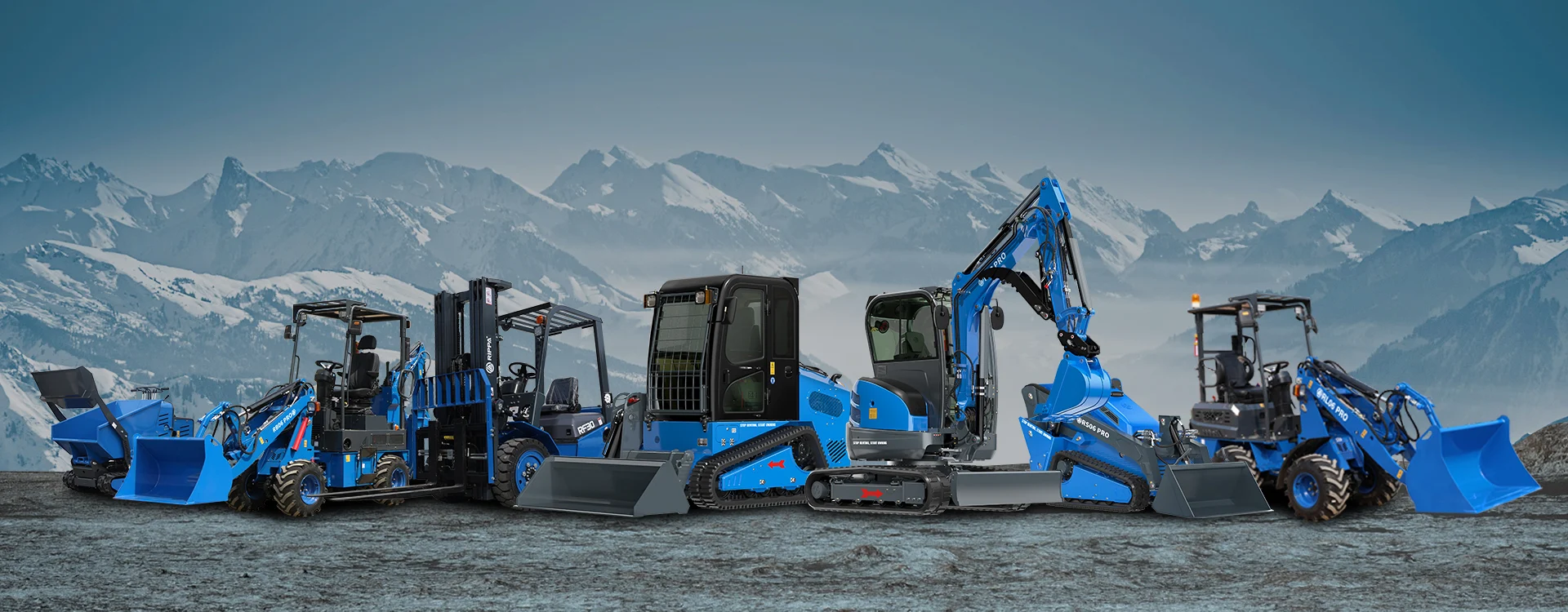
RIPPA is an emerging global brand that has quickly gained recognition for producing high-performance skid steer loaders at competitive prices.
RIPPA models such as: RS03 / RS04 mini skid steer loaders
are widely used in construction, farming, and municipal maintenance.
The company focuses on high cost-performance, durable structure, and global dealer support, making it attractive for distributors and contractors worldwide.
Compared with many traditional brands, RIPPA provides several advantages.
RIPPA skid steer loaders offer excellent performance at a more accessible price point, making them ideal for contractors and equipment distributors.
With advanced production lines and strict quality control, RIPPA ensures stable machine performance and long service life.
RIPPA produces multiple skid steer models covering:
●Mini skid steer loaders
●Standard skid steer loaders
●Compact track loaders
This variety allows customers to select equipment suitable for different job sites.
RIPPA equipment is exported to many regions including Europe, North America, South America, and the Middle East.
When selecting a skid steer brand, buyers should evaluate several practical factors:
●Job site size
●Required lifting capacity
●Attachment compatibility
●Budget and operating cost
●Local dealer support
For contractors looking for a balance between performance, durability, and affordability, brands like RIPPA provide an increasingly competitive alternative.
The skid steer loader market offers many reliable brands, each with its own strengths. Traditional manufacturers such as Bobcat, Caterpillar, and John Deere remain popular, but newer companies are quickly gaining market share.
With strong manufacturing capabilities, competitive pricing, and a growing international presence, RIPPA skid steer loaders are becoming one of the most promising options for global buyers.
As construction and agriculture industries continue to grow, choosing the right skid steer brand will play a key role in improving productivity and reducing operating costs.


 Etusivu
 Tuotteet
 Sähköposti
 WhatsApp