
Лип 04, 2026
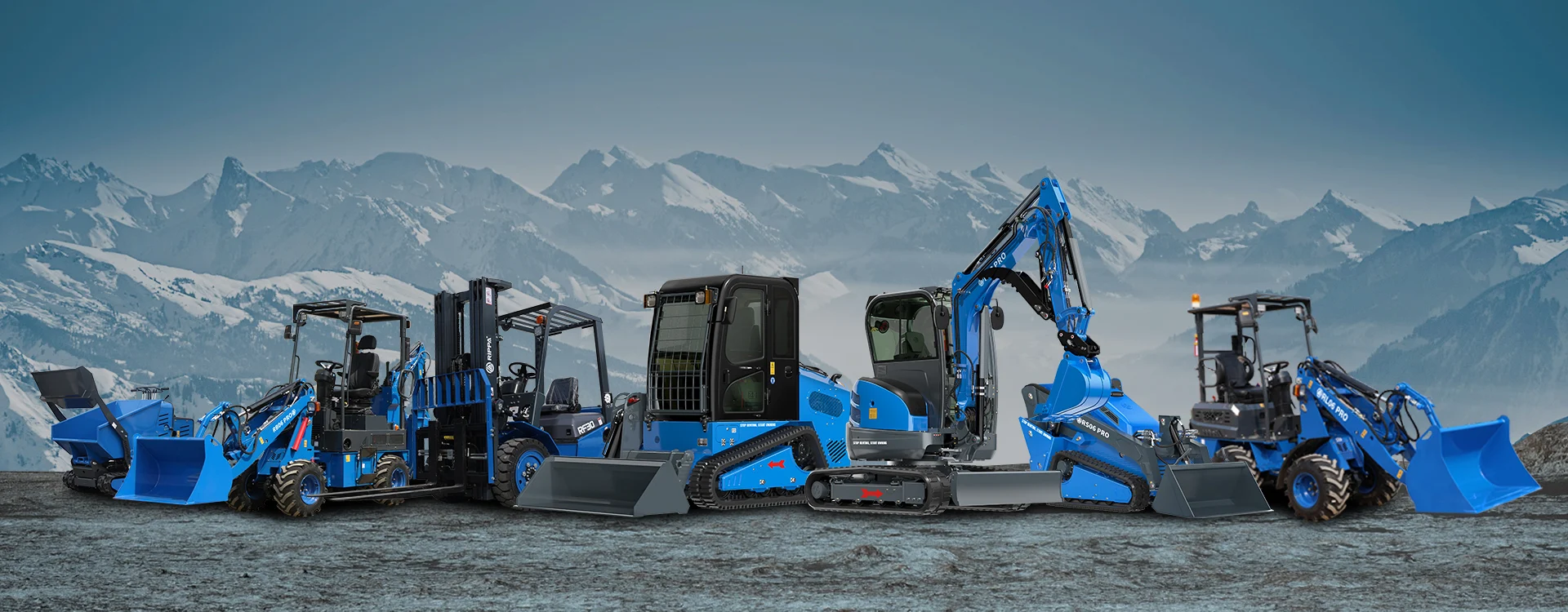
A reliable mini excavator manufacturer has five key qualities: 1) Vertically integrated production – controls quality from raw steel to finished machine; 2) Transparent factory – open to visits and audits; 3) Global parts network – overseas warehouses for fast fulfillment; 4) Competitive warranty – stands behind its products; 5) Dealer support – training, marketing, and responsive service. Manufacturers like RIPPA (12 production lines, 50+ robotic welders, 8 overseas warehouses) meet these criteria.
The bottom line: Don’t just look at the machine – look at the factory behind it. A great machine from a weak manufacturer is a liability.
| Quality | What to Check | Red Flags |
|---|---|---|
| Vertical integration | Do they make core components in-house? | Assembler only – buys everything outside |
| Factory transparency | Will they let you tour the facility? | Hides production, no tours offered |
| Quality control | What testing do they do? (200-hour test is ideal) | No testing, just “final inspection” |
| Parts support | Overseas warehouses? Parts availability? | “Parts from China” – 6 week lead times |
| Гарантія | Clear terms, competitive coverage | Vague warranty, no dealer support |
| Dealer program | Training, marketing, demo support | “Here’s the machine, good luck” |
A reliable manufacturer will welcome your visit. What to look for:
Raw material yard: Organized, labeled steel – not scrap piles
Laser cutting and machining: Computer-controlled precision
Robotic welding stations: Consistent, strong welds (50+ stations is excellent)
Assembly lines: Specialized stations – each worker does one task
Test center: Machines running under load – 200 hours is gold standard
Parts warehouse: Organized, stocked with major components
RIPPA’s factory: 12 smart production lines, 50+ robotic welders, 200-hour test, $15M parts inventory. Virtual tours available.
Ask these questions:
What’s your first-pass yield? (Industry average 95%; RIPPA: 99.2%)
Mean time between failures (MTBF)? (Industry benchmark 900 hours; RIPPA: 1,200 hours)
What testing does each machine undergo? (RIPPA: 200-hour simulated life-cycle test)
Do you have third-party certifications? (ISO 9001, CE, EPA, Euro 5)
A manufacturer that tracks these metrics and shares them is confident in their quality.
Parts availability is critical for your customers. Ask:
How many overseas warehouses do you have? (RIPPA: 8 – US, Canada, Europe)
What’s your parts availability rate? (RIPPA: 99.5% for common items)
What’s typical shipping time? (1-3 days from regional warehouse)
Do you have an emergency VOR protocol? (RIPPA: yes – expedited air freight)
A manufacturer without a local parts network will leave your customers waiting weeks for repairs. That’s a reputation killer.
A reliable manufacturer invests in your success. Look for:
Exclusive territories – protected market, no channel conflict
Flexible stocking – start with demo unit, scale as demand grows
Competitive margins – factory-direct pricing
Training – sales and technical certification
Marketing support – co-investment, lead forwarding
Demo unit support – preferential pricing
RIPPA’s dealer program: Exclusive territories, flexible stocking, $500k+ annual marketing, free training, demo unit support. No franchise fees.
| Red Flag | Why It’s a Problem |
|---|---|
| Won’t show the factory | Hiding poor quality or assembly-only operation |
| No overseas parts warehouse | Parts will take weeks or months |
| “We just ship from China” | No local support – you’re on your own |
| Vague warranty terms | They don’t stand behind their product |
| No dealer training | You’ll have to figure it out yourself |
| Unclear pricing | Margins may disappear after first order |
| No reference customers | Nobody has succeeded with them yet |
Trust your gut. If something feels off, it probably is.
A reliable manufacturer will happily provide references. Ask existing dealers:
“How long have you been selling their machines?”
“How are parts availability and shipping times?”
“How do they handle warranty claims?”
“Do they deliver on their promises?”
“Would you partner with them again?”
If they hesitate to provide references, that’s a red flag.
Q: What’s the difference between an assembler and a manufacturer?
A: An assembler buys components from suppliers and bolts them together. A manufacturer produces core components in-house – better quality control, lower costs, faster response.
Q: How important is vertical integration?
A: Very. Vertically integrated manufacturers control quality at every step and have genuine cost advantages – passed to dealers.
Q: What’s the ideal warranty length?
A: 2-3 years for most product lines. Please refer to the relevant documents for specific details.
Q: Should I care about certifications like ISO 9001?
A: Yes. ISO 9001 indicates they have documented quality processes. CE, EPA, Euro 5 indicate their products meet global standards.
Q: How do I verify a manufacturer’s export record?
A: Ask for customs data or shipping records. A manufacturer that has exported thousands of machines is more reliable than a startup.
Finding a reliable mini excavator manufacturer takes research, but it’s worth the effort. Look for vertical integration, factory transparency, global parts support, and a real dealer program. Visit the factory (virtual is fine). Talk to existing dealers. Trust your gut.
RIPPA meets all the criteria: 12 production lines, 50+ robotic welders, 200-hour test, 8 overseas warehouses, 99.5% parts availability, and a dealer‑friendly program. Over 100,000 machines exported.
Ready to partner with a reliable manufacturer? Contact RIPPA’s dealer development team for a virtual factory tour and confidential discussion about your territory.


 Головна сторінка
 Продукти
 Електронна пошта
 WhatsApp