
júl 19, 2026
Many people searching online for a front end loader alebo wheel loader assume they are two different machines. In reality, the terms are closely related and are often used interchangeably in the construction equipment industry.
A front end loader describes any loader equipped with a front-mounted bucket used for lifting, loading, and transporting materials. A wheel loader is the most common type of front end loader, featuring four wheels and articulated steering for improved maneuverability.
If you’re looking for front end loaders for sale or wheel loaders for sale, understanding the similarities and differences will help you choose equipment that best fits your projects.
| Funkcia | Front End Loader | Kolesový nakladač |
|---|---|---|
| General Meaning | Broad equipment category | A type of front end loader |
| Mobility | Wheels or other configurations | Four-wheel articulated design |
| Main Function | Loading and material handling | Loading, lifting, transporting materials |
| Best Applications | Agriculture, landscaping, construction | Construction, mining, agriculture, municipal work |
| Prílohy | Multiple attachment options | Wide attachment compatibility |
| Maneuverability | Depends on configuration | Excellent due to articulated steering |
For most contractors, the machine they refer to as a “front end loader” is actually a wheel loader.
A front end loader is a machine equipped with hydraulic lift arms and a front-mounted bucket that is designed to scoop, lift, carry, and dump materials.
It is commonly used for:
Depending on the application, front end loaders can vary in size from compact machines for landscaping to heavy-duty equipment used in mining operations.
A wheel loader is the most widely used type of front end loader.
Instead of crawler tracks, it operates on four wheels and usually features an articulated steering system, allowing the machine to turn efficiently while maintaining excellent stability.
Modern wheel loaders are commonly found in:
Because of their speed and versatility, wheel loaders are among the most valuable pieces of construction equipment.
Although the terminology differs, both machines share many characteristics.
Both machines are designed primarily to:
Modern loaders rely on hydraulic systems to lift, tilt, and control attachments efficiently.
High-quality hydraulic performance improves:
Both front end loaders and wheel loaders can use a variety of attachments, including:
This versatility allows one machine to perform multiple jobs throughout the year.
The biggest difference is terminology.
Front end loader is a broad category describing the loading function of the machine.
Wheel loader specifically refers to a front end loader that travels on wheels.
Most wheel loaders use articulated steering.
Medzi výhody patria:
This makes wheel loaders particularly effective on construction sites and industrial facilities.
While both machines perform similar work, certain industries favor specific terminology.
Construction professionals usually search for:
Agricultural users often search for:
Understanding these search habits helps buyers find more relevant equipment.
Construction companies typically prefer wheel loaders because they provide:
Typical construction applications include:
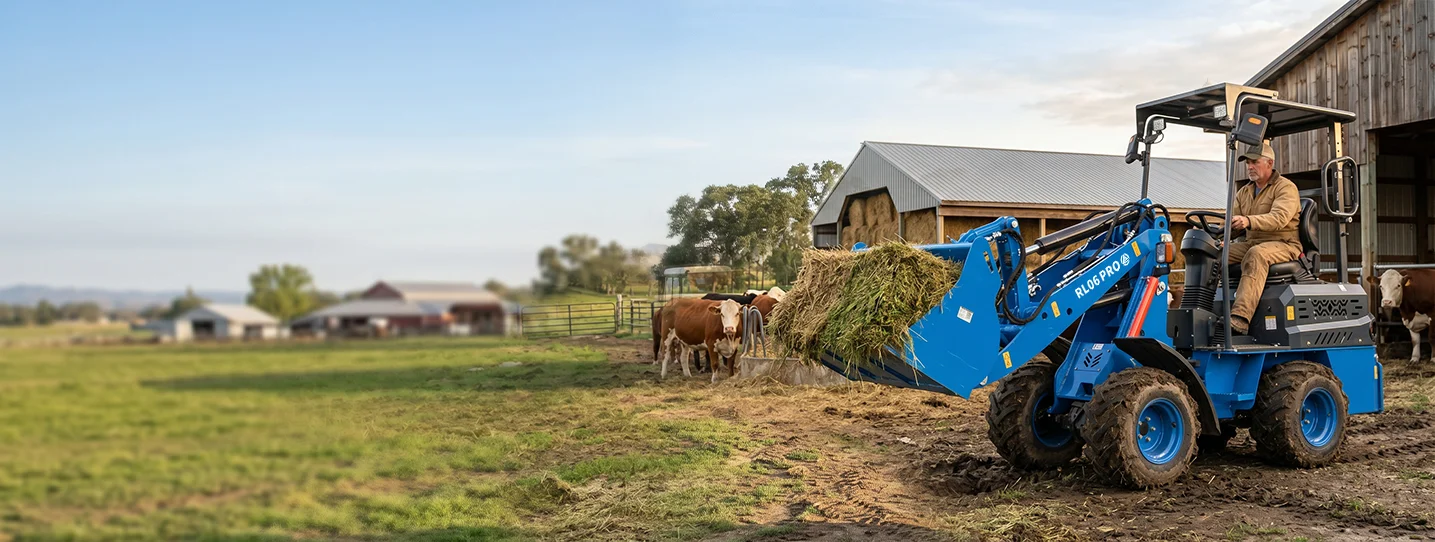
Agricultural operations often require machines capable of performing multiple daily tasks.
Front end loaders are commonly used for:
A loader with quick-attach compatibility provides even greater flexibility for farm operations.
Landscaping contractors generally prioritize compact machines with excellent maneuverability.
Compact loaders are ideal for:
Their smaller size reduces ground disturbance while improving productivity in restricted spaces.
Before purchasing a loader, evaluate your operational needs carefully.
Compact work areas require highly maneuverable machines.
Large construction projects may benefit from higher-capacity wheel loaders.
Consider the materials you handle most frequently:
Different bucket sizes and hydraulic systems perform better with different materials.
If your business performs multiple services, attachment compatibility should be a priority.
Common attachments include:
The ability to change attachments quickly increases machine utilization and return on investment.
Reliable dealer support, readily available replacement parts, and routine maintenance all contribute to long-term machine performance.
Choosing a manufacturer with a strong support network helps reduce downtime and maximize equipment life.
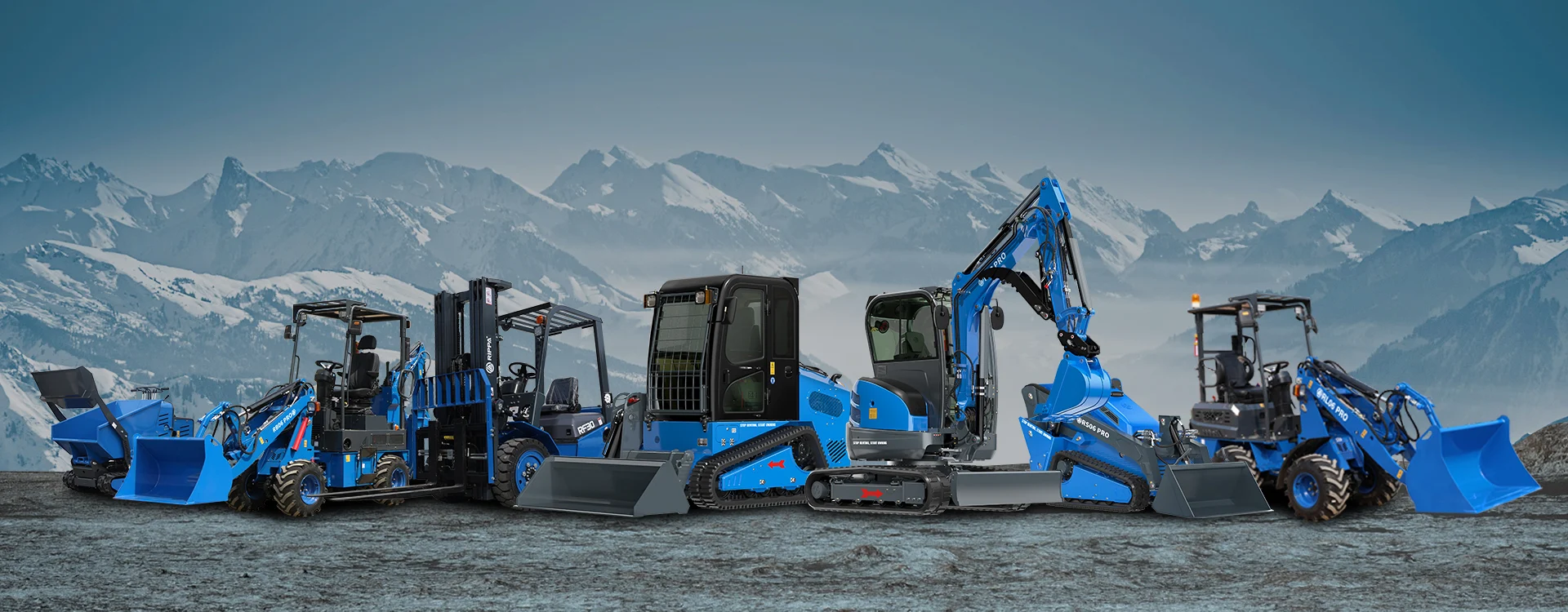
RIPPA develops compact and professional wheel loaders for customers in construction, agriculture, landscaping, and industrial material handling.
Key advantages include:
Whether you are searching for front end loaders for sale or wheel loaders for sale, RIPPA offers equipment designed to improve productivity while maintaining low operating costs.
The difference between a front end loader a a wheel loader is largely a matter of terminology. A wheel loader is the most common type of front end loader, and both machines are designed to load, lift, and transport materials efficiently.
When choosing the right loader, consider your job site, workload, attachment needs, and future business plans rather than focusing solely on the machine’s name. Selecting equipment that matches your daily operations will deliver better productivity, lower operating costs, and greater long-term value.
In most situations, yes. A wheel loader is the most common type of front end loader, and the two terms are often used interchangeably.
Wheel loaders are generally preferred for construction because of their articulated steering, lifting performance, and fast loading cycles.
Yes. Most modern wheel loaders support buckets, pallet forks, grapples, sweepers, snow blades, bale spears, and other attachments.
Yes. Compact wheel loaders are widely used for landscaping because they offer excellent maneuverability, low ground impact, and strong material-handling capabilities.
Evaluate lifting capacity, bucket size, hydraulic performance, attachment compatibility, job site conditions, transportation requirements, and after-sales support before making a purchasing decision.


 Domov
Domov
 Produkty
 E-mail
 WhatsApp