
máj 01, 2026
In today’s competitive construction and equipment market, choosing between a compact track loader vs skid steer is more than just a technical decision—it directly impacts productivity, operating costs, and long-term profitability. Whether you are a contractor, fleet manager, or equipment distributor, understanding the real-world differences between these two machines will help you make smarter purchasing decisions.
Both machines are compact, highly versatile, and compatible with a wide range of attachments. However, their performance varies significantly depending on terrain, job type, and operational demands.
.webp)
A šmykom riadený nakladač is one of the most widely used compact machines in the construction industry. Equipped with four wheels and a rigid frame, it uses skid steering, meaning the left and right wheels operate independently. This allows the machine to rotate within its own footprint, making it extremely maneuverable.
A compact track loader (CTL) replaces wheels with rubber tracks, significantly improving traction and stability. This design allows it to perform exceptionally well in difficult terrain conditions where wheeled machines may struggle.
When evaluating a compact track loader vs skid steer, it’s important to go beyond basic specs and consider operational efficiency and lifecycle costs.
1. Terrain Adaptability
Skid steers perform best on hard, flat surfaces, while compact track loaders dominate in soft, uneven, or slippery environments.
2. Operating Cost
Skid steers generally have lower maintenance costs due to simpler wheel systems. CTLs, while more capable, require higher maintenance due to track wear and replacement.
3. Productivity
In challenging terrain, CTLs maintain consistent performance, while skid steers may lose traction and efficiency.
4. Initial Investment
Compact track loaders usually cost more upfront, but they can deliver higher productivity in demanding conditions.
Selecting the right equipment depends on your business model and target market:
For B2B buyers, it is essential to evaluate not only machine performance but also supplier reliability, parts availability, and after-sales service.
The global demand for compact equipment continues to rise, driven by urbanization, infrastructure development, and labor efficiency requirements. While skid steers remain dominant in traditional construction, compact track loaders are rapidly gaining popularity due to their versatility in complex environments.
Manufacturers are increasingly focusing on:
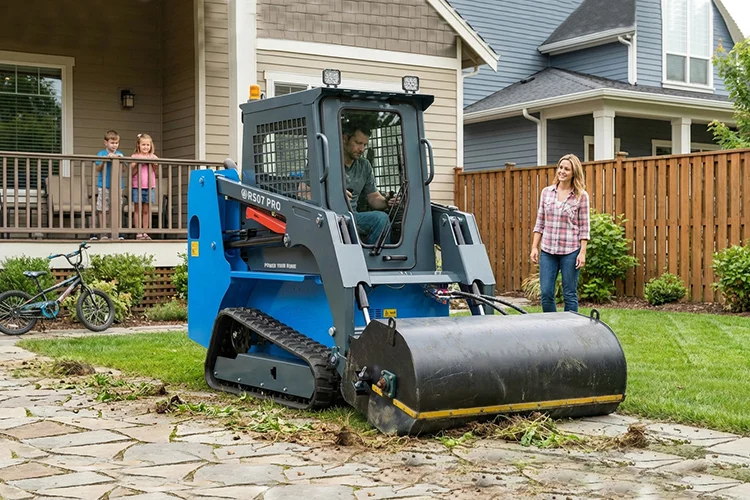
The debate between compact track loader vs skid steer ultimately comes down to application needs and long-term cost efficiency. Skid steers offer speed, affordability, and ease of maintenance, while compact track loaders provide unmatched performance in challenging terrains.
For contractors and equipment dealers, understanding these differences ensures better investment decisions and improved operational outcomes. Choosing the right machine is not just about performance—it’s about aligning equipment capabilities with your business goals.


 Domov
Domov
 Produkty
 E-mail
 WhatsApp