
mrt 19, 2026
When searching for new forklifts for sale, one of the most important steps is understanding the different types available on the market. Forklifts are not one-size-fits-all machines—each type is designed for specific environments, load capacities, and operational needs.
Whether you run a warehouse, construction site, farm, or logistics company, choosing the right forklift can significantly improve efficiency, reduce operating costs, and enhance workplace safety.
This guide explores small, medium, and large forklifts, helping you find the best solution for your business.
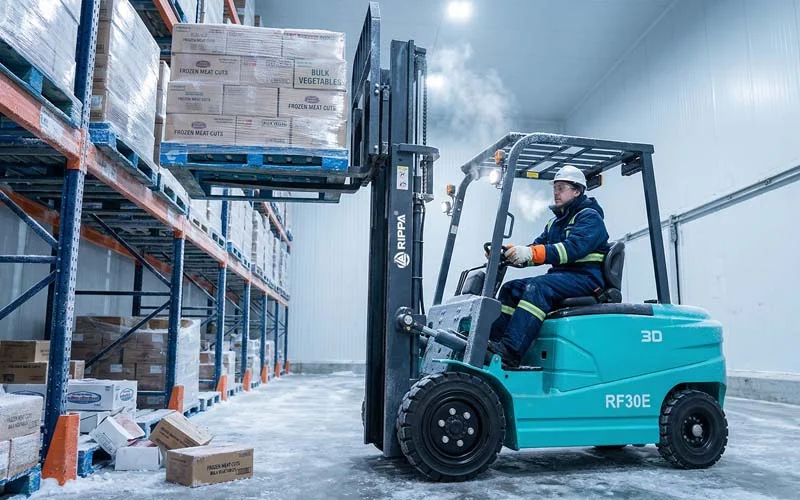
Small forklifts are designed for tight spaces, indoor environments, and light-duty operations. They are ideal for businesses that require flexibility and precision.
Electric forklifts are among the most popular choices for indoor use. Powered by batteries, they produce zero emissions and operate quietly.
Key Features:
●Environmentally friendly
●Low noise levels
●Reduced maintenance costs
●Smooth operation
Best Applications:
●Warehouses
●Retail storage facilities
●Food and pharmaceutical industries
Mini forklifts are compact machines designed for narrow aisles and confined working environments.
Advantages:
●Easy maneuverability
●Lower purchase cost
●Ideal for small businesses
These forklifts are commonly used in small warehouses, workshops, and agricultural settings.
Although smaller than traditional forklifts, stackers are essential for light material handling tasks.
Best for:
●Short-distance lifting
●Low-height stacking
●Budget-conscious operations
Medium forklifts offer a balance between power and versatility. They are suitable for both indoor and outdoor applications.
LPG forklifts are widely used due to their flexibility. They can operate both indoors (with ventilation) and outdoors.
Key Benefits:
●Fast refueling
●Consistent power output
●Lower emissions than diesel
Ideal for:
●Warehousing
●Manufacturing
●Distribution centers
Reach trucks are specifically designed for high stacking in warehouses with limited aisle space.
Features:
●Extended reach capability
●High lifting height
●Precision handling
These are essential for modern high-density storage systems.
This is the most common type of forklift, suitable for general-purpose use.
Why choose counterbalance forklifts:
●Simple operation
●Wide availability
●Suitable for multiple industries
Large forklifts are built for heavy-duty operations, outdoor environments, and high load capacities.
Diesel forklifts are powerful machines designed for demanding tasks.
Key Advantages:
●High lifting capacity
●Strong engine performance
●Durable for harsh environments
Best Applications:
●Construction sites
●Ports and terminals
●Mining and heavy industries
These forklifts are equipped with large tires and strong suspension systems to handle uneven surfaces.
Ideal for:
●Construction projects
●Agricultural use
●Outdoor material handling
Heavy forklifts can lift 10 tons or more, making them essential for industrial operations.
Used in:
●Steel plants
●Shipping yards
●Large-scale manufacturing
Choosing the right forklift involves more than just selecting a size. Here are the most important factors:
Ensure the forklift can handle your maximum load requirements.
Indoor vs. outdoor conditions will determine whether you need electric, LPG, or diesel forklifts.
For warehouse operations, lift height is a critical factor.
Each fuel type has its own cost and performance characteristics.
Consider long-term operating costs, not just the initial purchase price.
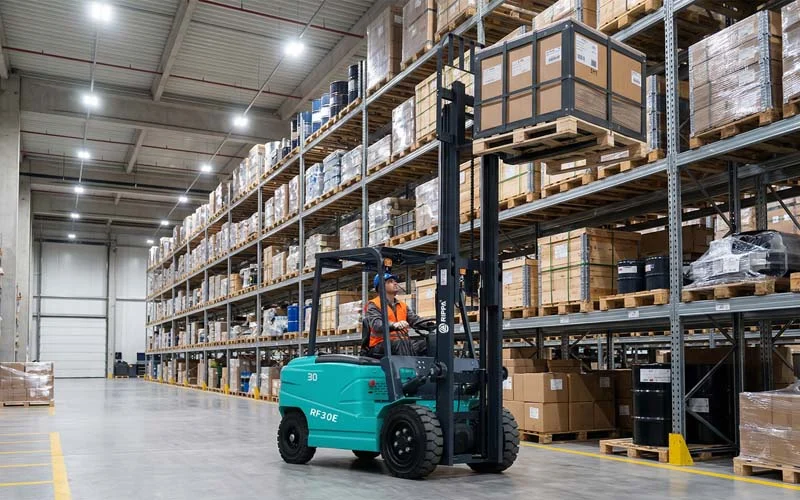
When exploring different forklifts for sale, RIPPA stands out as a reliable and cost-effective solution for global buyers.
RIPPA advantages include:
●Wide range of forklift models (electric, diesel, compact)
●Competitive pricing for distributors and bulk buyers
●Durable design for long-term use
●Fast delivery from overseas warehouses
●Strong after-sales support
RIPPA forklifts are especially suitable for B2B buyers, dealers, and contractors looking to maximize profit margins while maintaining quality.
The forklift market is evolving rapidly, with several trends shaping purchasing decisions:
●Growing demand for electric forklifts
●Adoption of lithium battery technology
●Increased focus on energy efficiency
●Expansion of e-commerce logistics warehouses
Understanding these trends can help you invest in equipment that remains competitive in the long term.
From small electric forklifts to large diesel machines, there are many options available when searching for new forklifts for sale. The key is to match the forklift type with your specific operational needs.
By choosing the right equipment—and the right supplier like RIPPA—you can improve efficiency, reduce costs, and scale your business successfully.


 Home
Home
 Producten
 E-mail
 WhatsApp