
jún 07, 2026
A wheel loader is one of the most versatile machines in the construction, landscaping, agriculture, and snow removal industries. Known for its mobility, lifting power, and ability to work with multiple attachments, a wheel loader can significantly improve jobsite efficiency while reducing labor costs.
Whether you’re a contractor managing a construction fleet or a municipality preparing for winter weather, understanding wheel loader operation, maintenance, and snow removal best practices can help maximize productivity and equipment lifespan.
This guide covers essential wheel loader tips, maintenance recommendations, and snow removal applications to help operators and fleet managers get the most from their investment.
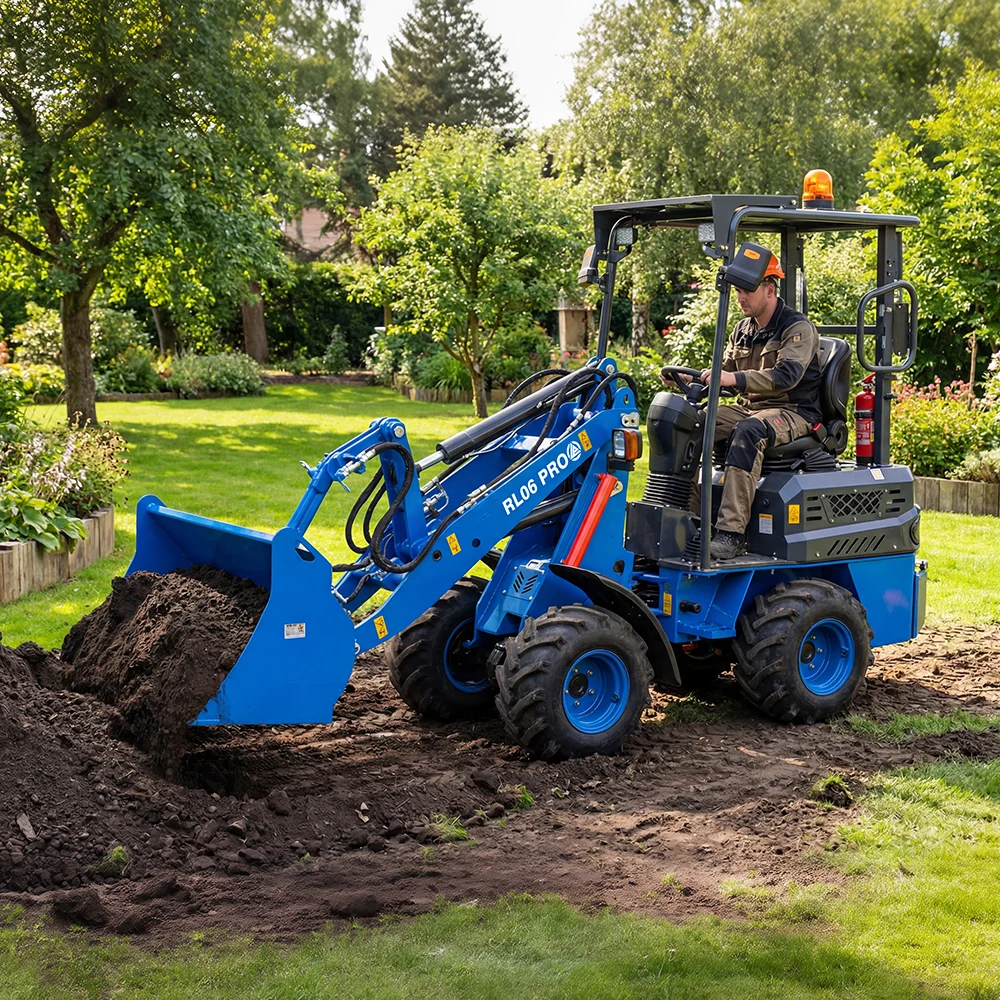
Unlike tracked equipment, wheel loaders offer faster travel speeds and excellent maneuverability. They can quickly transport materials across jobsites, load trucks, clear debris, and handle seasonal tasks such as snow removal.
These benefits make wheel loaders a preferred choice for construction companies, municipalities, and property management firms.
Proper operation and maintenance are critical for achieving maximum performance and minimizing downtime.
Before operating a wheel loader, conduct a thorough inspection of the machine.
Check the following:
Daily inspections help identify small issues before they become expensive repairs.
Tires are one of the most important components of a wheel loader. Improper tire pressure can reduce fuel efficiency, increase wear, and affect machine stability.
Benefits of proper tire inflation include:
Always follow the manufacturer’s recommended tire pressure specifications.
Many operators leave equipment idling for long periods during breaks or while waiting for trucks.
Excessive idling can lead to:
Modern wheel loaders often include automatic idle management systems that help reduce unnecessary fuel use.
Choosing the right attachment improves productivity and protects the machine from unnecessary stress.
Common wheel loader attachments include:
Used for:
Ideal for:
Suitable for:
Designed specifically for winter maintenance and snow clearing operations.
One of the easiest ways to improve productivity is minimizing unnecessary travel.
Operators should:
Shorter travel distances mean faster cycle times and lower fuel consumption.
When transporting material, keep the bucket low to the ground while maintaining adequate clearance.
Benefits include:
A low bucket position also minimizes material spillage during transport.
Overloading a wheel loader can cause:
Always follow manufacturer load ratings and operating guidelines.
One of the most valuable seasonal applications for wheel loaders is snow removal.
Compared with smaller snow clearing equipment, wheel loaders offer greater capacity and productivity, making them ideal for large-scale winter maintenance operations.
Wheel loaders are frequently used to clear snow from:
Their ability to move large volumes of snow quickly helps reduce downtime and maintain safe access during winter storms.
Selecting the right attachment can dramatically improve snow clearing efficiency.
Snow pushers are among the most popular attachments for winter operations.
Benefits include:
They are especially effective in parking lots and commercial properties.
Snow blades provide precise snow control and are commonly used for road maintenance.
Előnyök:
Snow buckets are larger than standard buckets and designed specifically for handling lightweight snow.
These buckets allow operators to move greater snow volumes per cycle.
Cold weather can place additional stress on equipment. Proper preparation is essential.
Low temperatures reduce battery performance.
Before winter begins:
Reliable starting power is critical during snow emergencies.
Winter-grade lubricants and hydraulic fluids improve performance in freezing conditions.
Benefits include:
Always follow manufacturer recommendations.
Traction is essential for safe winter operation.
Inspect tires for:
Some operators also use tire chains for additional traction in severe conditions.
Winter conditions introduce additional safety challenges.
Snow, ice, and fog can reduce visibility.
Operators should:
Snow can conceal:
Slow, controlled operation helps prevent equipment damage.
Reduced traction means stopping distances increase significantly during winter conditions.
Operators should:
These practices reduce accident risks and improve overall safety.
The wheel loader industry continues to evolve with new technologies designed to improve winter operations.
Telematics systems provide:
These technologies help fleet managers improve efficiency and reduce operating costs.
Electric wheel loaders are becoming increasingly popular for snow removal in urban environments.
Előnyök:
As battery technology advances, electric wheel loaders are expected to play a larger role in winter maintenance operations.
Wheel loaders remain one of the most versatile and productive machines available for construction, material handling, and snow removal. By following proper maintenance practices, using the correct attachments, and implementing efficient operating techniques, businesses can maximize machine performance and reduce long-term ownership costs.
For winter maintenance professionals, wheel loaders equipped with snow pushers, blades, and specialized buckets provide a powerful solution for clearing roads, parking lots, airports, and industrial facilities. As technology continues to advance, modern wheel loaders will become even more efficient, safer, and environmentally friendly, making them an essential asset for year-round operations.


 Home
Home
 Termékek
 E-mail
 WhatsApp