
Juin 05, 2026
A wheel loader is one of the most versatile and widely used pieces of heavy equipment in construction, agriculture, mining, and material handling industries. Known for its mobility, lifting power, and compatibility with various attachments, wheel loaders help operators move, load, transport, and manage large quantities of materials efficiently.
Whether you’re a contractor, equipment buyer, or project manager, understanding what a wheel loader is and how it can benefit your operations is essential before investing in heavy machinery.
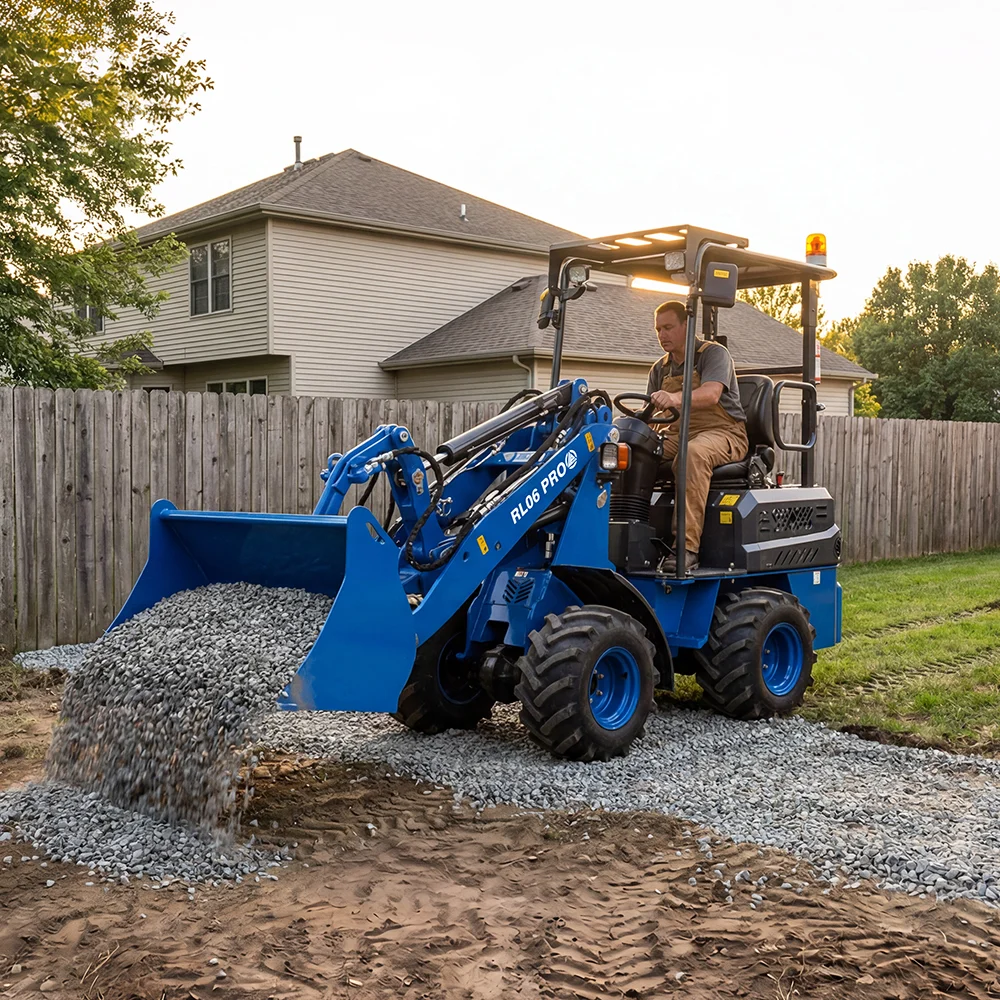
A wheel loader, also known as a front-end loader or bucket loader, is a heavy-duty machine equipped with a large bucket mounted on the front. It uses four large wheels for mobility and is designed to scoop, lift, carry, and load materials such as:
Unlike tracked loaders, wheel loaders offer faster travel speeds, better maneuverability on hard surfaces, and lower maintenance costs.
The bucket is the primary working tool used for loading and transporting materials.
Provides lifting and tilting power for the bucket and attachments.
Modern wheel loaders are powered by diesel engines that deliver high torque and fuel efficiency.
Most wheel loaders feature articulated steering, allowing tight turning radiuses in confined work areas.
Modern cabins include ergonomic controls, air conditioning, digital displays, and enhanced visibility for operator comfort and safety.
Wheel loaders are used across multiple industries due to their versatility.
Construction companies use wheel loaders to:
In mining environments, wheel loaders handle:
Farmers utilize wheel loaders for:
Wheel loaders efficiently move recyclable materials and waste products in recycling centers and landfills.
Municipalities and contractors use wheel loaders equipped with snow blades or snow pushers for winter maintenance.
One of the biggest advantages of wheel loaders is attachment compatibility.
Ideal for loading dirt, sand, gravel, and loose materials.
Transforms the wheel loader into a material handling machine for pallets and bulk goods.
Used for handling logs, scrap metal, brush, and demolition debris.
Allows efficient snow clearing in roads, parking lots, and industrial facilities.
Widely used in agriculture for transporting hay bales.
Helps clean construction sites, warehouses, and roads.
Designed specifically for handling large rocks and heavy aggregates.
Wheel loaders can move large volumes of material quickly, reducing project completion times.
With multiple attachments available, one machine can perform various tasks.
Compared to tracked equipment, wheel loaders travel faster between work locations.
Tires generally require less maintenance than tracks, reducing ownership costs.
Modern wheel loaders offer advanced cabins designed for long working hours.
When selecting a wheel loader, consider the following factors:
Choose a machine size suitable for your project requirements.
Bucket sizes typically range from 0.5 cubic meters to over 10 cubic meters.
Higher horsepower is necessary for demanding applications such as mining and quarry operations.
Ensure the loader supports quick couplers and multiple attachments.
Modern Tier 4 and Stage V engines help reduce fuel consumption and emissions.
| Fonctionnalité | Chargeuse sur pneus | Chargeur compact rigide |
|---|---|---|
| Size | Plus grand | Plus petit |
| Capacité de levage | Plus élevé | Modéré |
| Travel Speed | Faster | Slower |
| Meilleur pour | Large-scale projects | Tight spaces |
| Confort de l'opérateur | Better | Basic |
For large construction and material handling applications, wheel loaders generally offer superior productivity.
A wheel loader is used to load, transport, lift, and move materials such as soil, gravel, sand, snow, and construction debris.
Common attachments include buckets, pallet forks, grapples, snow plows, sweepers, and bale spears.
Depending on the model, wheel loaders can lift anywhere from 1 ton to more than 30 tons.
Yes. Many agricultural operations use wheel loaders for feeding livestock, handling hay, and moving bulk materials.
Wheel loaders are among the most valuable machines in the heavy equipment industry. Their powerful lifting capabilities, versatility, and ability to use a wide range of attachments make them essential for construction, agriculture, mining, and industrial applications. By selecting the right wheel loader and attachments, businesses can significantly improve productivity while reducing labor costs and project timelines.


 Accueil
 Produits
 Courriel
 WhatsApp