
Fév 04, 2026
Skid steer loaders are among the most versatile and widely used machines in the construction and equipment industry. Thanks to their compact size, powerful lifting capability, and unmatched attachment flexibility, skid steers are essential across construction, agriculture, landscaping, municipal services, and material handling.
This complete guide to skid steer applications explains what skid steers are used for, how different industries rely on them, and how to choose the right skid steer setup for specific tasks.
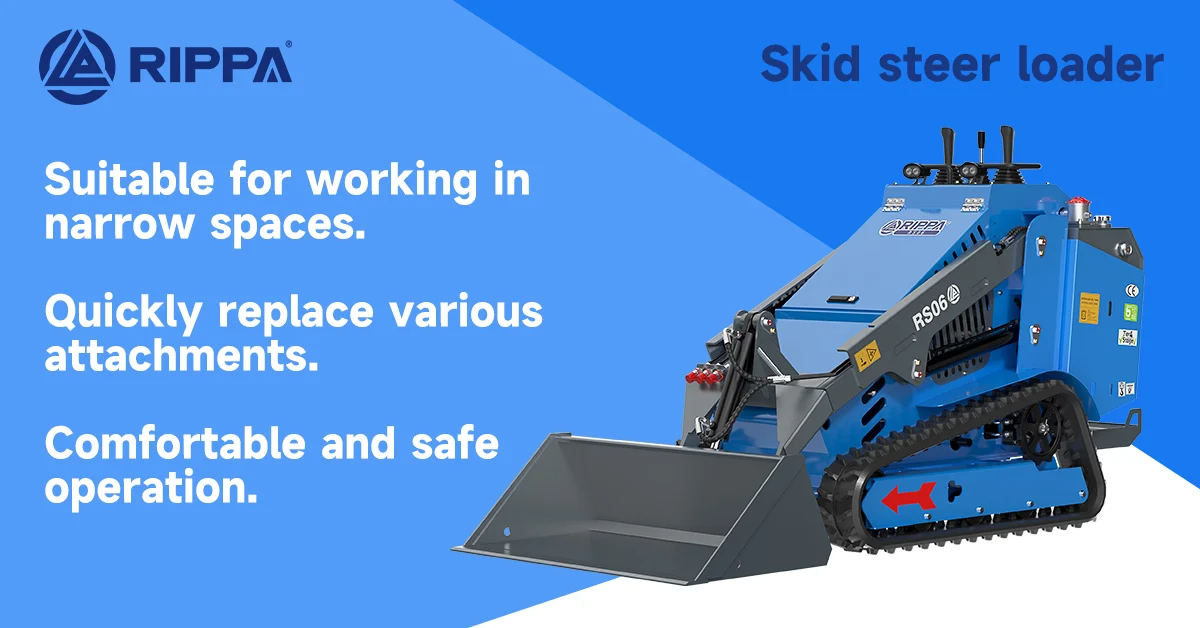
A skid steer loader is a compact, engine-powered machine with lift arms that can attach to a wide variety of tools. It uses a unique steering system where the left and right wheels (or tracks) move independently, allowing the machine to “skid” and turn within its own footprint.
Because of this design, skid steer loaders excel in:
1)Tight job sites
2)Confined indoor spaces
3)Urban construction environments
Their ability to perform multiple tasks with different attachments makes them a cost-effective alternative to owning several specialized machines.
Skid steer loaders are popular across industries for several key reasons:
1)Compact design with high power-to-size ratio
2)Quick attachment changes using universal quick-attach systems
3)Strong lifting and breakout force
4)Easy transportation between job sites
5)Suitable for both wheeled and tracked configurations
These advantages allow one skid steer loader to handle dozens of different jobs efficiently.
Construction is one of the largest application areas for skid steer loaders.
1)Excavation and backfilling
2)Site preparation and grading
3)Concrete debris removal
4)Material loading and transport
5)Trenching for utilities
Skid steers are especially effective on residential and commercial projects where space is limited and maneuverability is critical.
Landscaping professionals rely heavily on skid steer loaders due to their precision and attachment versatility.
1)Soil leveling and grading
2)Mulch and soil spreading
3)Tree and shrub handling
4)Lawn renovation and cleanup
5)Hardscape installation support
With attachments such as buckets, grapples, augers, and soil conditioners, skid steers can complete landscaping projects faster and with less manual labor.
In agriculture, skid steer loaders are valued for their durability and daily utility.
1)Feed handling and distribution
2)Manure and waste cleanup
3)Bale handling and stacking
4)Fence post drilling
5)Barn and livestock area maintenance
Compact skid steers are ideal for operating inside barns and livestock buildings where larger machines cannot enter.
Skid steer loaders are widely used in snow-prone regions due to their power and traction.
1)Clearing parking lots and driveways
2)Sidewalk and pathway snow removal
3)Loading and relocating snow
4)Ice control with spreader attachments
Tracked skid steer loaders are particularly effective on icy or slippery surfaces.
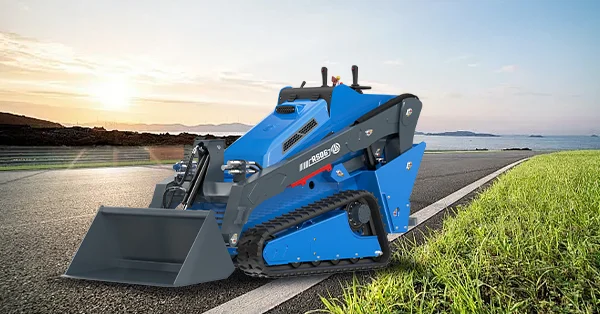
Municipal departments and public service contractors use skid steers for year-round operations.
1)Road and sidewalk maintenance
2)Street cleaning with broom attachments
3)Park and playground maintenance
4)Drainage and utility repairs
5)Waste and debris collection
Their compact size allows them to work safely in pedestrian-heavy urban environments.
Skid steer loaders are also used in industrial and warehouse settings.
1)Pallet loading and unloading
2)Transporting building materials
3)Warehouse cleanup
4)Container loading support
With pallet forks and specialty attachments, skid steers act as a flexible alternative to forklifts in rough or outdoor environments.
Skid steers play a critical role in light demolition and post-project cleanup.
1)Breaking concrete and asphalt
2)Removing debris and rubble
3)Sorting recyclable materials
4)Site clearing after demolition
High-flow hydraulics allow skid steers to power demanding attachments such as hydraulic breakers and grapples.
In forestry and land management, skid steer loaders provide controlled power in challenging terrain.
1)Brush cutting and mulching
2)Clearing small trees and undergrowth
3)Trail maintenance
4)Land preparation for development
Tracked skid steer loaders are preferred in soft ground and uneven terrain.
The true strength of skid steer loaders lies in their attachment compatibility.
1)General-purpose buckets
2)Pallet forks
3)Augers
4)Trenchers
5)Grapples
6)Sweepers
7)Snow blowers and blades
By changing attachments, a single skid steer loader can perform the work of multiple machines, maximizing return on investment.
Choosing between wheels and tracks depends on the application.
1)Hard surfaces such as concrete or asphalt
2)Indoor and warehouse work
3)Faster travel speed
1)Muddy or soft ground
2)Snow and icy conditions
3)Uneven terrain requiring better stability
Understanding your typical jobsite conditions helps determine the best configuration.
When selecting a skid steer loader, consider:
1)Primary tasks and attachments
2)Rated operating capacity requirements
3)Jobsite size and access limitations
4)Terrain and surface conditions
5)Operating hours and maintenance needs
Matching the machine to its application ensures higher productivity and lower long-term operating costs.
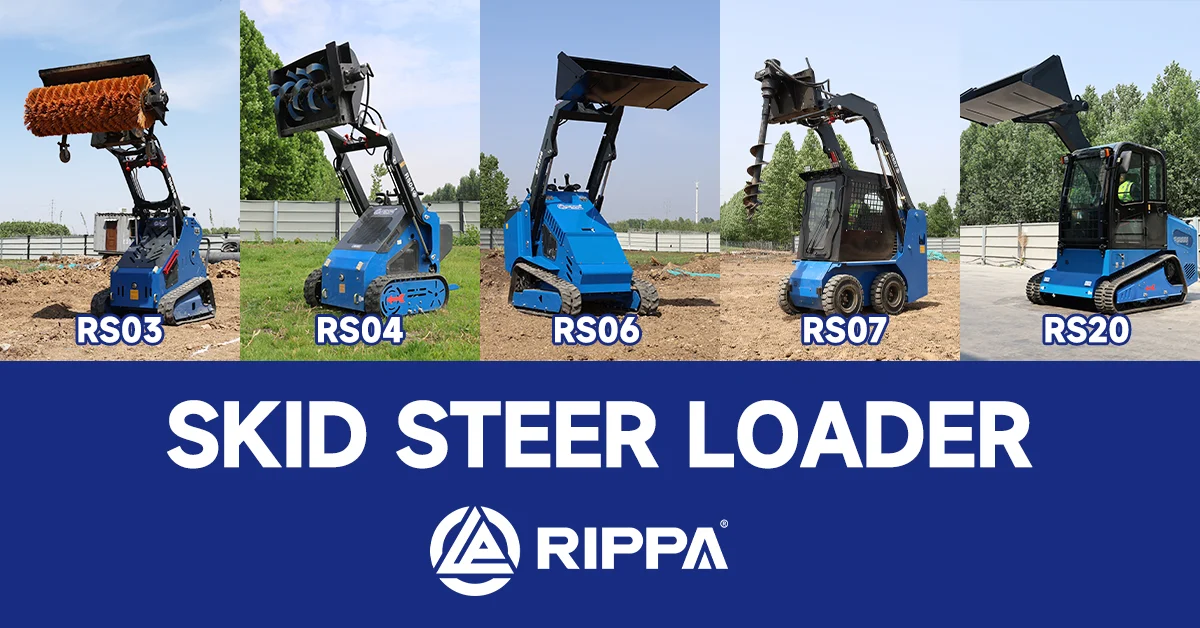
This complete guide to skid steer applications shows why skid steer loaders are essential machines across construction, agriculture, landscaping, municipal services, and industrial work.
Their compact design, powerful performance, and unmatched versatility make skid steer loaders a smart investment for contractors, rental companies, and equipment dealers worldwide.


 Accueil
 Produits
 Courriel
 WhatsApp