
juuni 10, 2026
A rataslaadur, also known as a front end loader, is one of the most widely used types of construction equipment in the world. Designed to load, transport, and move materials efficiently, wheel loaders play a critical role in construction sites, mining operations, agriculture, ports, and industrial applications.
Equipped with a large front-mounted bucket, a wheel loader can quickly handle materials such as sand, gravel, soil, coal, rocks, and construction debris. Its versatility and productivity make it an indispensable piece of heavy machinery for businesses seeking efficient material handling solutions.
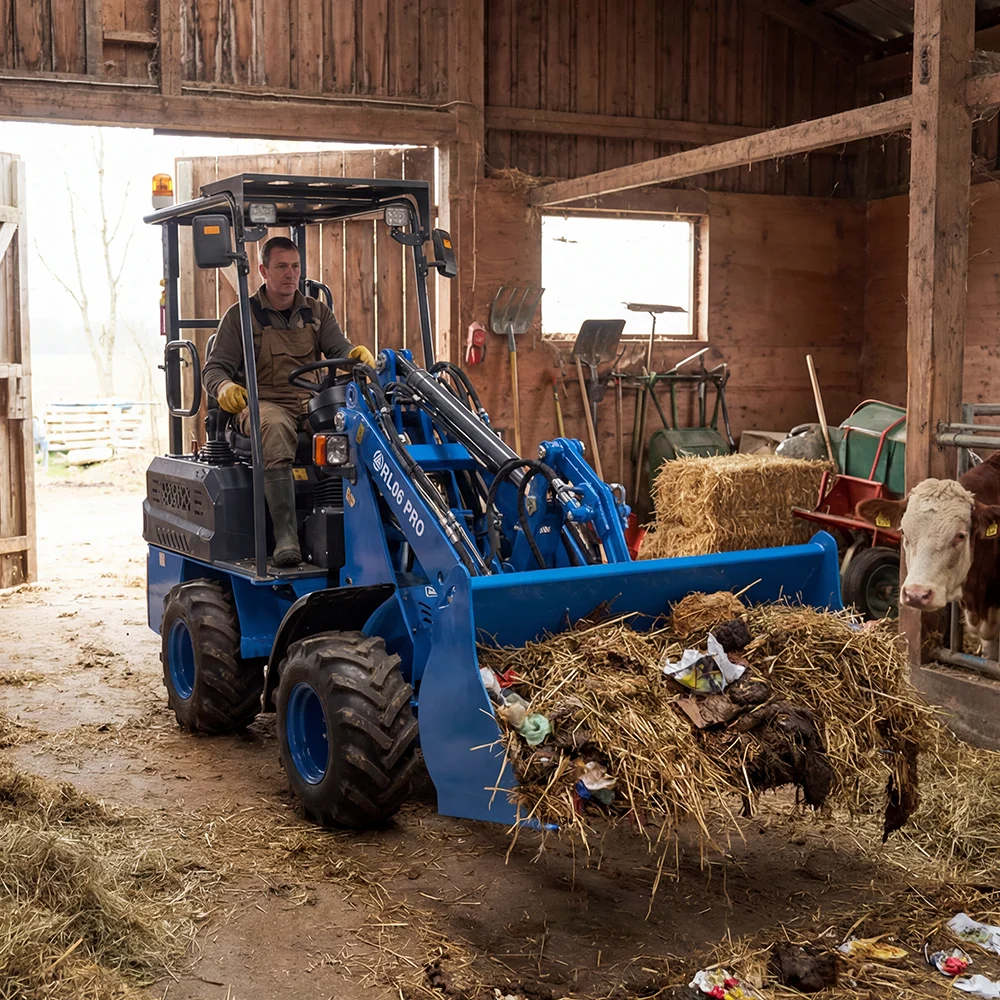
Modern wheel loaders are engineered to maximize performance, operator comfort, and fuel efficiency. Key features include:
Advanced diesel engines provide the power needed for demanding applications while meeting stringent emission standards. High torque output ensures efficient loading and hauling operations.
Wheel loaders are available with various bucket sizes to suit different job requirements. Larger bucket capacities help increase productivity by reducing loading cycles.
Modern cabins feature ergonomic controls, air conditioning, excellent visibility, and low-noise environments, allowing operators to work comfortably for extended periods.
Efficient hydraulic systems deliver smooth bucket control, faster lifting speeds, and improved operational precision, enhancing overall productivity.
Heavy-duty frames, reinforced booms, and robust drivetrains ensure long service life even in harsh working conditions.
Wheel loaders are commonly used for:
In mining environments, wheel loaders handle:
Farmers use wheel loaders for:
Wheel loaders efficiently move bulk materials such as:
The ability to quickly load and transport materials significantly reduces labor costs and project completion times.
With various attachments available, including forks, grapples, snow blades, and sweepers, a wheel loader can perform multiple tasks beyond standard loading operations.
Modern wheel loaders are designed with advanced fuel-saving technologies, reducing operating costs while maintaining high performance.
High-quality components and proven engineering ensure dependable operation with minimal downtime.
When selecting a wheel loader, consider the following factors:
Choose a machine size that matches your project requirements. Larger wheel loaders offer higher capacity but may not be suitable for confined spaces.
Select the appropriate bucket size based on the materials being handled and desired productivity levels.
Higher horsepower ratings provide greater performance for demanding applications.
Consider future operational needs and ensure the loader supports a wide range of attachments.
Reliable after-sales service and readily available spare parts are essential for maximizing equipment uptime.
Investing in a high-quality wheel loader delivers long-term benefits through increased efficiency, reduced operating costs, and improved job site productivity. Whether used in construction, mining, agriculture, or industrial sectors, a reliable wheel loader helps businesses complete projects faster and more profitably.
As global demand for infrastructure development continues to grow, wheel loaders remain one of the most valuable and versatile pieces of heavy equipment available today.
A rataslaadur is an essential machine for efficient material handling and construction operations. With powerful performance, versatile applications, and advanced technology, modern wheel loaders provide outstanding value for businesses across multiple industries. Choosing the right wheel loader can significantly improve productivity, reduce costs, and ensure successful project completion.


 Kodu
Kodu
 Tooted
 E-post
 WhatsApp