
Ene 27, 2026
Skid steer loaders are not a one-size-fits-all solution. They are available in multiple sizes, drive systems, and configurations, each designed for specific working environments and job requirements.
For B2B buyers, understanding how different types of skid steer loaders are used is essential for proper fleet planning, dealership inventory optimization, and customer satisfaction.
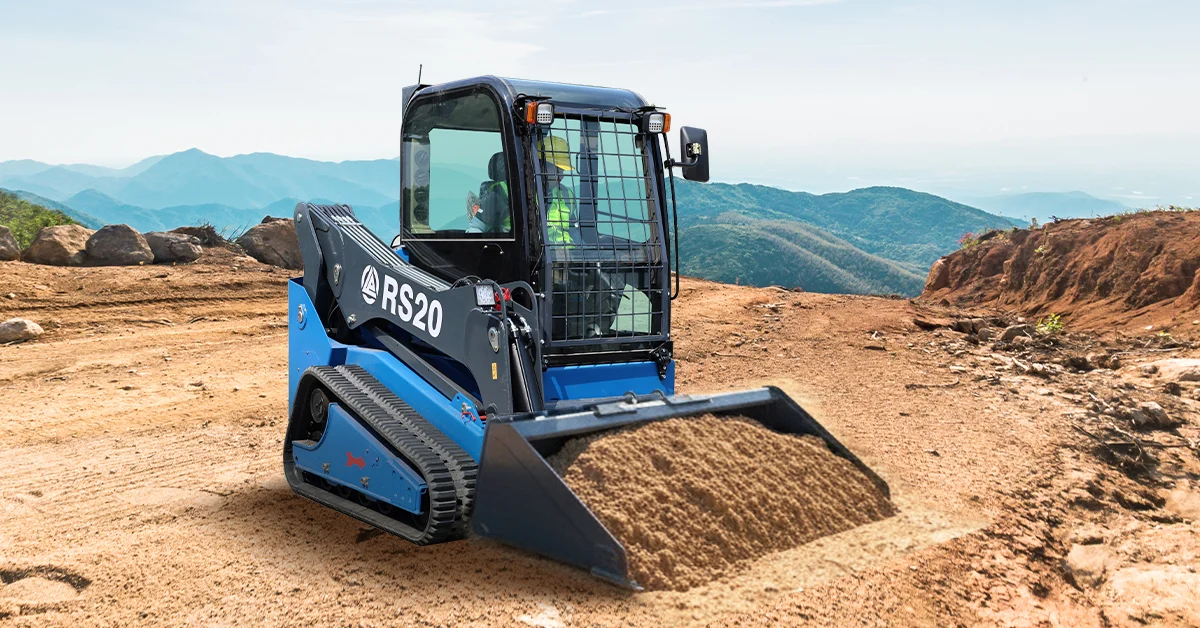
Mini skid steer loaders are compact machines designed for confined areas where larger equipment cannot operate.
Common applications include:
●Residential landscaping projects
●Indoor demolition and renovation
●Backyard construction and trenching
●Narrow access job sites
Advantages for B2B buyers:
●Lower purchase cost
●Easy transportation on small trailers
●Strong demand from landscaping and rental markets
Mini skid steer loaders are often high-turnover products for dealers due to their affordability and wide application range.
Medium-sized skid steer loaders represent the most popular category in global markets.
Typical uses include:
●Construction material handling
●Road maintenance and repair
●Agricultural feeding and cleaning operations
●General site preparation
Why they dominate B2B sales:
●Balanced lifting capacity and machine size
●Compatibility with most attachments
●Suitable for both urban and rural projects
For fleet operators, medium skid steer loaders offer the best balance between versatility and operating cost.
Large skid steer loaders are built for high-demand tasks that require increased power and stability.
Heavy-duty applications include:
●Large-scale earthmoving
●Demolition with hydraulic attachments
●Handling heavy pallets or concrete materials
●Industrial and mining support operations
Although higher in price, large skid steer loaders deliver higher productivity and are preferred by professional contractors handling demanding workloads.
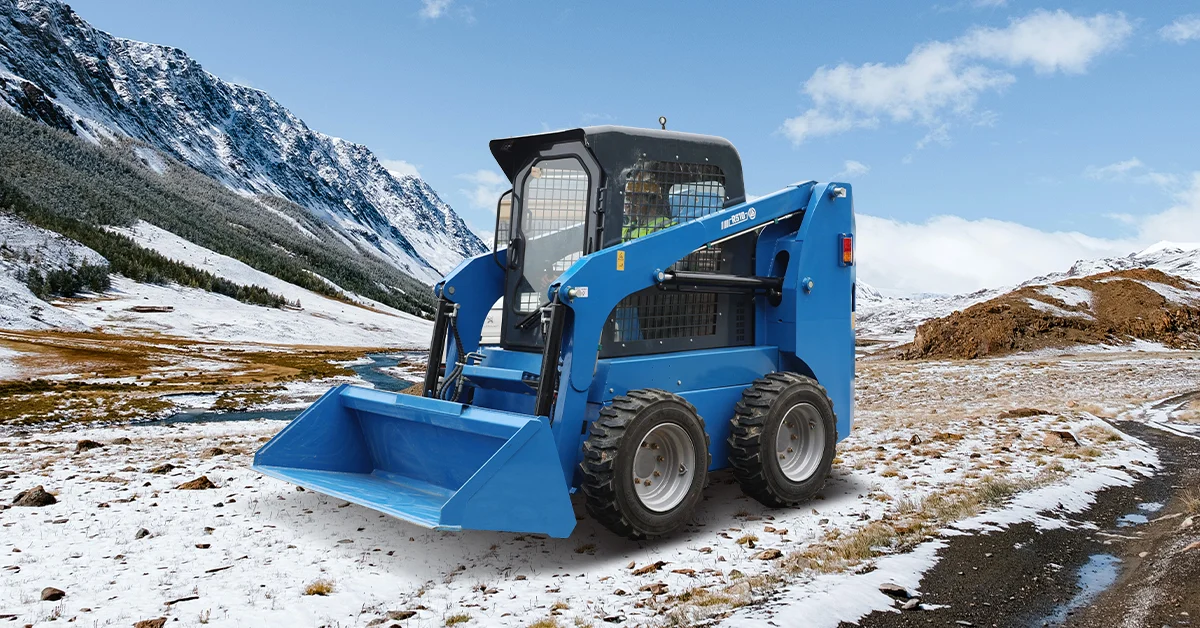
Choosing between wheeled and tracked skid steer loaders significantly affects performance and operating cost.
Best suited for:
●Paved or hard ground surfaces
●High-speed material transport
●Lower maintenance environments
Benefits:
●Lower initial cost
●Easier tire replacement
●Better fuel efficiency on solid ground
Best suited for:
●Soft, muddy, or sandy terrain
●Sloped or uneven ground
●Sensitive surfaces such as lawns
Benefits:
●Superior traction and stability
●Reduced ground pressure
●Improved performance in harsh conditions
Dealers often recommend tracked models for construction and agricultural customers working in challenging terrain.
Another key distinction between skid steer loader types is lift path design.
●Radial lift models offer better mid-range reach, ideal for digging and ground-level tasks
●Vertical lift models provide higher lift height, preferred for truck loading and pallet handling
Understanding lift design helps B2B buyers match machines to customer usage scenarios more accurately.
For dealers and importers, stocking the right mix of skid steer loader types is critical.
Best practices include:
●Mini models for rental and landscaping markets
●Medium models for general construction demand
●Tracked models for soft terrain regions
●Vertical lift models for logistics and material handling
A diversified product lineup allows distributors to capture multiple customer segments.
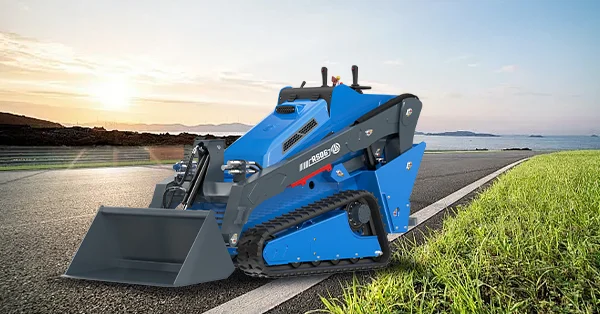
Using different types of skid steer loaders correctly improves productivity, reduces operating costs, and increases customer satisfaction.
For B2B buyers, understanding size classes, drive systems, and lift designs ensures smarter purchasing decisions and stronger long-term returns.





 Inicio
 Productos
 Correo electrónico
 WhatsApp