
Ene 21, 2026
A minicargadora is one of the most popular machines in the compact equipment market. As a key category of compact loaders, it delivers outstanding performance in tight spaces while supporting dozens of attachments for different tasks.
In this article, we explain how skid steer loaders work, why compact loaders are in high demand, and how to choose the right model for your project or business.
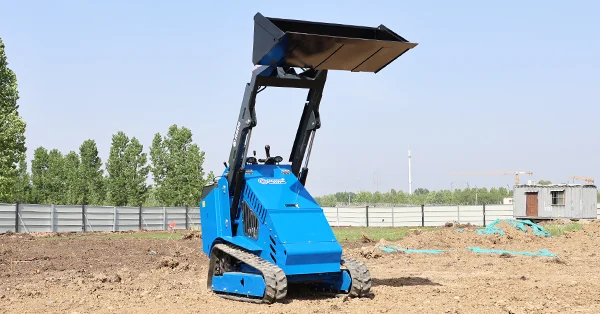
A minicargadora is a small, rigid-frame loader powered by an internal combustion or electric engine. It features lift arms that can connect to buckets, forks, sweepers, trenchers, and many other attachments.
Unlike traditional loaders, skid steer loaders turn by varying wheel speed on each side. This allows:
●Zero-radius turning
●High maneuverability
●Efficient operation in confined areas
This steering system is the reason skid steers outperform larger machines in urban and indoor environments.
The term compact loader refers to a group of small loaders designed for versatility and cost efficiency. This category includes:
●Skid steer loaders
●Compact track loaders
●Mini loaders
All compact loaders share similar advantages such as small size, easy transport, and lower operating costs compared to full-size loaders.
With cities expanding and job sites becoming smaller, compact loaders offer the flexibility needed for tight access areas.
Compact loaders are widely used in:
●Construction
●Landscaping
●Agriculture
●Municipal maintenance
One compact loader can replace several machines when equipped with the right attachments.
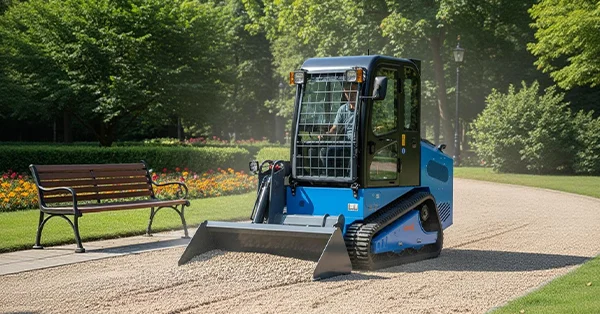
●Loading soil, gravel, and sand
●Pallet handling with forks
●Waste removal
●Leveling and grading
●Backfilling trenches
●Surface cleanup
●Snow removal
●Road cleaning
●Ice control
Because of these capabilities, skid steer loaders are often considered the most flexible type of compact loader.
●Wheeled skid steer loaders are faster and ideal for hard surfaces
●Tracked compact loaders offer better traction and lower ground pressure
●Skid steer loaders generally have lower purchase and maintenance costs
●Compact track loaders are more expensive but perform better in soft terrain
When choosing a skid steer loader or compact loader, consider:
●Rated operating capacity
●Operating weight
●Engine power
●Hydraulic flow rate
●Attachment compatibility
Matching these specifications to your typical workload ensures better efficiency and longer machine life.
●Compact size with strong lifting performance
●Easy transportation on standard trailers
●Simple mechanical design
●High availability of aftermarket attachments
●Suitable for both rental fleets and owner-operators
For dealers and contractors, skid steer loaders offer excellent market demand and resale value.
A skid steer loader is ideal if you:
●Work in narrow or restricted areas
●Need a multi-purpose machine
●Want a cost-effective compact loader
●Operate on solid ground surfaces
If your work involves mud, slopes, or soft ground, a tracked compact loader may be a better option.
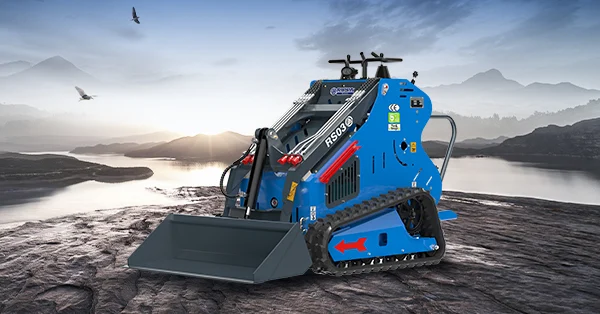
The minicargadora remains one of the most reliable and widely used machines in the compact loader category. Its flexibility, efficiency, and affordability make it an essential tool for modern construction and material handling tasks.
Understanding how skid steer loaders compare with other compact loaders helps buyers make informed decisions and maximize return on investment.





 Inicio
 Productos
 Correo electrónico
 WhatsApp