
Juni 03, 2026
Wheel loaders are among the most important machines in the heavy equipment industry. Known for their powerful loading capabilities, high mobility, and versatility, wheel loaders are widely used in construction projects, mining operations, agricultural activities, and industrial material handling.
As infrastructure development and industrial production continue to grow worldwide, the demand for reliable and efficient wheel loaders has increased significantly. These machines help businesses improve productivity, reduce labor costs, and complete projects more efficiently.
Whether you are a contractor, equipment buyer, or business owner, understanding the fundamentals of wheel loaders can help you choose the right machine for your operational requirements.
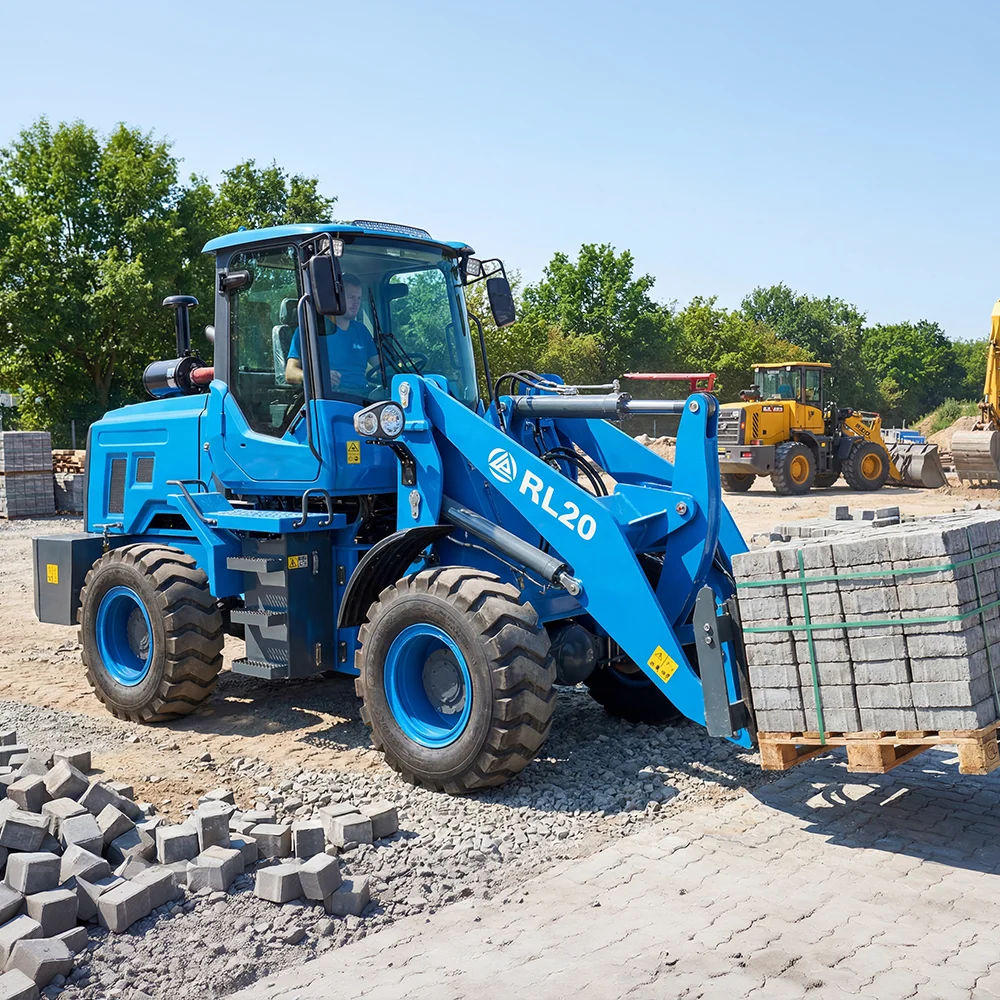
A wheel loader is a type of heavy construction equipment equipped with a front-mounted bucket and four large wheels. It is primarily designed to load, lift, carry, and transport loose materials such as soil, sand, gravel, coal, aggregates, and construction debris.
Unlike excavators, which are mainly used for digging, wheel loaders focus on material handling and loading tasks. Their wheeled design allows them to travel quickly between different work areas while maintaining excellent maneuverability.
Modern wheel loaders are powered by diesel or electric engines and utilize advanced hydraulic systems to control lifting and dumping operations.
A wheel loader operates through the combination of engine power, hydraulic systems, and articulated steering technology.
The engine generates power for machine movement and hydraulic functions. Hydraulic cylinders control the movement of the lift arms and bucket, allowing operators to scoop, lift, and dump materials efficiently.
The articulated steering system enables the machine to turn smoothly in confined spaces, making wheel loaders highly maneuverable compared to many other types of heavy equipment.
A typical loading cycle includes:
Fast cycle times contribute directly to higher productivity.
The engine is the primary power source of the machine.
Modern engines provide:
Many manufacturers now offer engines that comply with EPA and EU Stage V emission standards.
The hydraulic system controls:
Advanced hydraulic systems improve machine responsiveness and operating efficiency.
Loader arms connect the bucket to the machine and provide lifting capability.
Different bucket options include:
Selecting the appropriate bucket improves productivity and operational efficiency.
Modern wheel loader cabins prioritize operator comfort and safety.
Features often include:
A comfortable working environment helps reduce fatigue and increase productivity.
Construction remains one of the largest markets for wheel loaders.
Common construction applications include:
Their ability to move large volumes of material quickly makes them indispensable on construction sites.
Mining companies rely on wheel loaders for demanding material handling operations.
Typical tasks include:
Heavy-duty wheel loaders are specifically designed to operate in harsh mining environments.
Modern farms increasingly utilize wheel loaders for daily operations.
Applications include:
Compact wheel loaders are particularly popular due to their maneuverability and versatility.
Industrial facilities and logistics centers use wheel loaders for:
Their speed and lifting capacity improve workflow efficiency.
Local governments use wheel loaders for year-round maintenance activities.
Applications include:
The ability to use multiple attachments makes wheel loaders highly adaptable for municipal operations.
Wheel loaders can move large quantities of material quickly and efficiently, reducing project completion times.
The wheeled design enables higher travel speeds compared to tracked equipment.
This allows operators to move between work areas quickly and efficiently.
Wheel loaders can utilize a wide variety of attachments, including:
This flexibility allows one machine to perform multiple tasks.
Modern wheel loaders are designed to maximize fuel efficiency and minimize maintenance requirements.
Businesses benefit from:
Due to their versatility and broad application range, wheel loaders typically deliver excellent long-term value.
When purchasing a wheel loader, buyers should consider several important factors.
The machine size should match the workload and job site conditions.
Larger bucket capacities improve loading efficiency but may require more powerful equipment.
Engine power directly affects lifting capability and overall productivity.
Businesses should evaluate current and future attachment needs before making a purchasing decision.
Working with an experienced wheel loader manufacturer provides benefits such as:
The wheel loader industry is rapidly evolving.
Electric models offer:
Telematics technology enables:
Future wheel loaders may incorporate:
These innovations are expected to improve productivity while reducing operating costs.
From their basic definition to their core applications, wheel loaders remain one of the most valuable machines in the heavy equipment industry. Their ability to load, transport, and handle materials efficiently makes them essential for construction, mining, agriculture, logistics, and municipal operations.
As technology continues to advance, modern wheel loaders are becoming more efficient, environmentally friendly, and intelligent. Businesses that invest in high-quality wheel loaders can benefit from improved productivity, lower operating costs, and long-term operational success.


 Startseite
 Produkte
 E-Mail
 WhatsApp