
Feb. 09, 2026
Skid steer loaders have become one of the most widely used compact machines in construction, agriculture, landscaping, logistics, and industrial operations. Their small footprint combined with strong lifting power and multi-attachment capability allows businesses to complete a wide range of tasks using a single machine.
For contractors, equipment dealers, rental companies, and fleet managers, understanding skid steer technology is essential for selecting the right machines and maximizing long-term operational efficiency. This guide explains what skid steer loaders are, how they work, their major applications, key features, and what buyers should consider before purchasing.
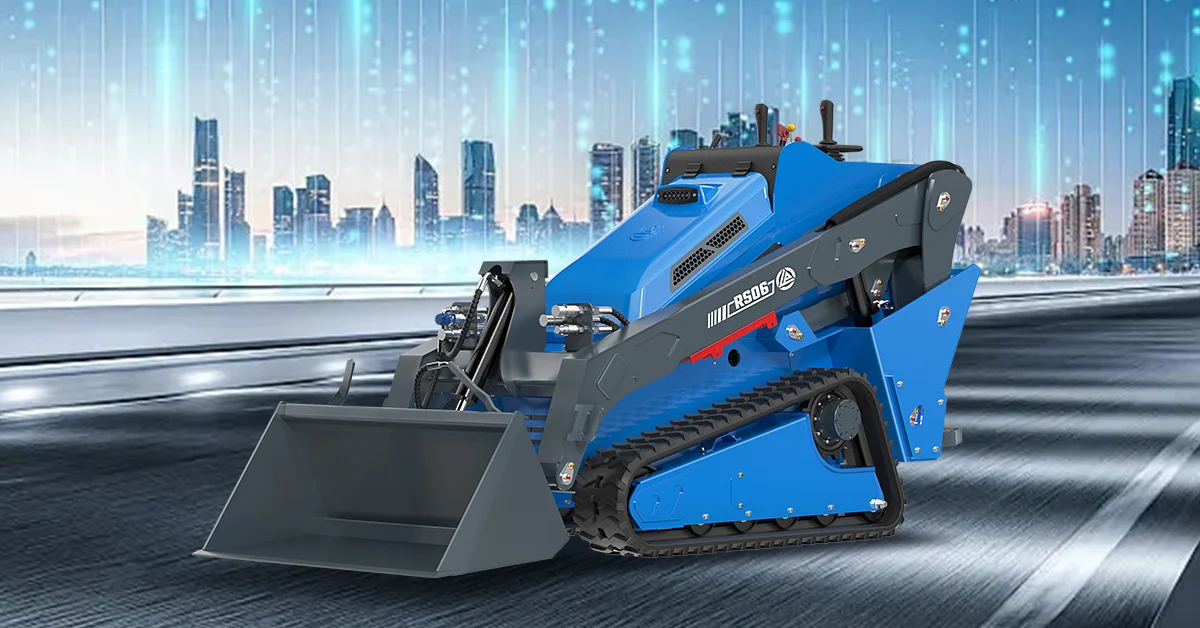
A skid steer loader is a compact, engine-powered machine with lift arms that can attach to multiple tools. Unlike traditional loaders, skid steers use a differential steering system where wheels or tracks on each side move independently. This allows the machine to pivot in place and operate efficiently in confined environments.
Understanding the structure helps buyers evaluate machine durability and performance:
●Lift Arms: Responsible for raising and lowering attachments.
●Hydraulic System: Powers attachments and provides lifting force.
●Engine System: Determines machine power output and fuel efficiency.
●Operator Cabin: Includes control systems, safety structures, and ergonomic design.
●Undercarriage: Available in wheel or track configurations depending on terrain needs.
Skid steering allows zero-radius turning. The wheels on one side rotate faster or in reverse compared to the other side. This design provides exceptional maneuverability in narrow job sites such as warehouses, urban construction areas, and farms.
Different job requirements require different machine configurations.
●Ideal for hard, flat surfaces.
●Faster travel speed.
●Lower maintenance costs.
●Suitable for warehouse work and urban construction.
●Better traction on mud, sand, or snow.
●Reduced ground pressure.
●Suitable for landscaping and soft terrain.
●Extremely compact size.
●Ideal for indoor work and small projects.
●Easier transportation and lower fuel consumption.
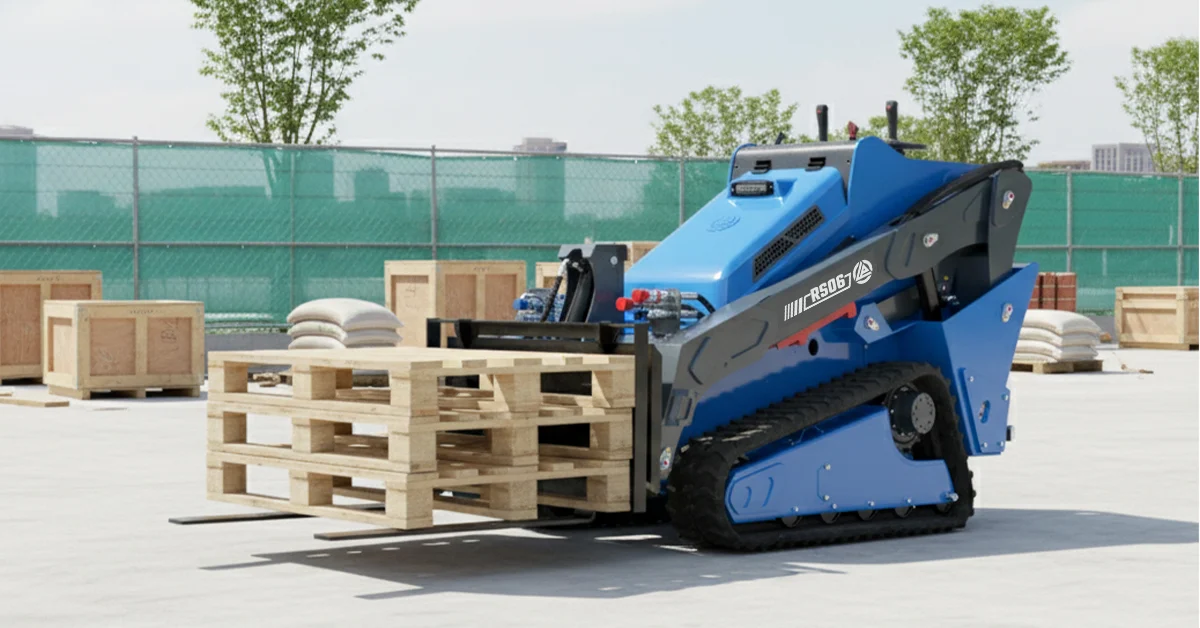
Skid steer loaders are considered multi-purpose machines due to their attachment versatility.
●Material loading and transport.
●Grading and leveling surfaces.
●Site cleanup and debris removal.
●Concrete handling and light excavation.
●Feeding livestock.
●Handling hay bales and grain.
●Cleaning barns and moving supplies.
●Land preparation tasks.
●Snow removal.
●Soil moving and planting preparation.
●Road maintenance.
●Park and public facility maintenance.
●Pallet transportation.
●Loading trucks and containers.
●Waste management and recycling operations.
One skid steer can replace multiple machines through quick attachment changes.
Despite their small dimensions, skid steers provide impressive lifting capacity and hydraulic performance.
Zero-turn capability allows operation in tight spaces where larger machines cannot work efficiently.
With proper attachments, a single operator can perform multiple job functions, reducing workforce requirements.
Attachments significantly increase machine value and productivity.
●Buckets for general loading.
●Pallet forks for material handling.
●Augers for drilling holes.
●Trenchers for pipeline installation.
●Sweepers for cleaning surfaces.
●Hydraulic breakers for demolition.
Companies that invest in versatile attachments can increase project diversity and improve equipment utilization rates.
Select a machine that matches the average load requirements. Overloading reduces equipment lifespan and increases safety risks.
Efficient engines reduce operating costs and improve performance during heavy workloads.
High-flow systems are necessary for advanced attachments such as forestry mulchers or heavy trenchers.
Machines with easy access to service components reduce downtime and maintenance expenses.
Reliable service networks are essential for businesses operating large fleets or rental programs.
From a business perspective, skid steer loaders offer strong resale demand and stable market growth. Equipment dealers benefit from:
●Wide customer demand across industries.
●Multiple configuration options for different price ranges.
●High attachment sales opportunities.
●Flexible fleet management potential.
Fleet operators appreciate machines that can adapt to different projects without requiring additional equipment purchases.
Modern skid steer loaders are evolving rapidly with new technology features:
●Electric and hybrid power systems.
●Advanced telematics for fleet monitoring.
●Improved operator safety systems.
●Enhanced hydraulic efficiency.
●Smart control interfaces for precision operation.
Companies adopting modern machines can gain competitive advantages through improved productivity and lower operating costs.
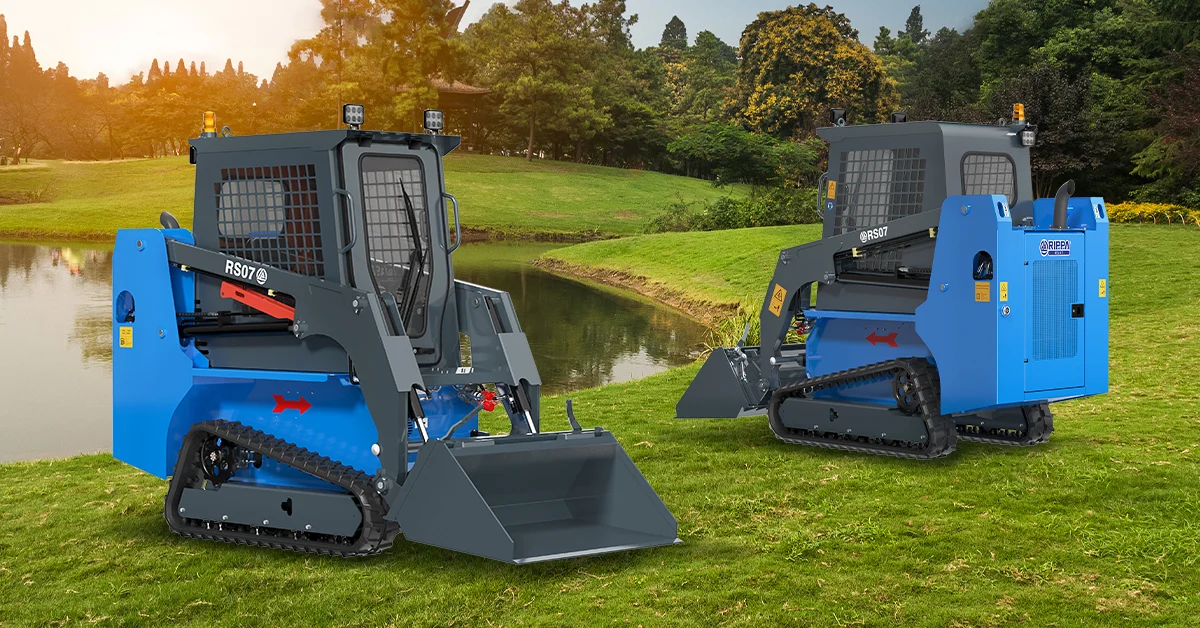
Skid steer loaders remain one of the most versatile and cost-effective compact machines available today. Their ability to handle multiple applications, operate in tight spaces, and support various attachments makes them essential equipment for contractors, dealers, and industrial operators.
By understanding machine types, key features, and buying considerations, businesses can select the right skid steer loader to improve efficiency, reduce operational costs, and expand service capabilities.





 Startseite
 Produkte
 E-Mail
 WhatsApp