
Jan. 24, 2026
Knowing how to operate a skid steer safely and efficiently is critical for productivity and accident prevention. Skid steers are compact and powerful machines, and improper use can lead to injuries or equipment damage. Proper training and adherence to operating procedures ensure optimal performance.
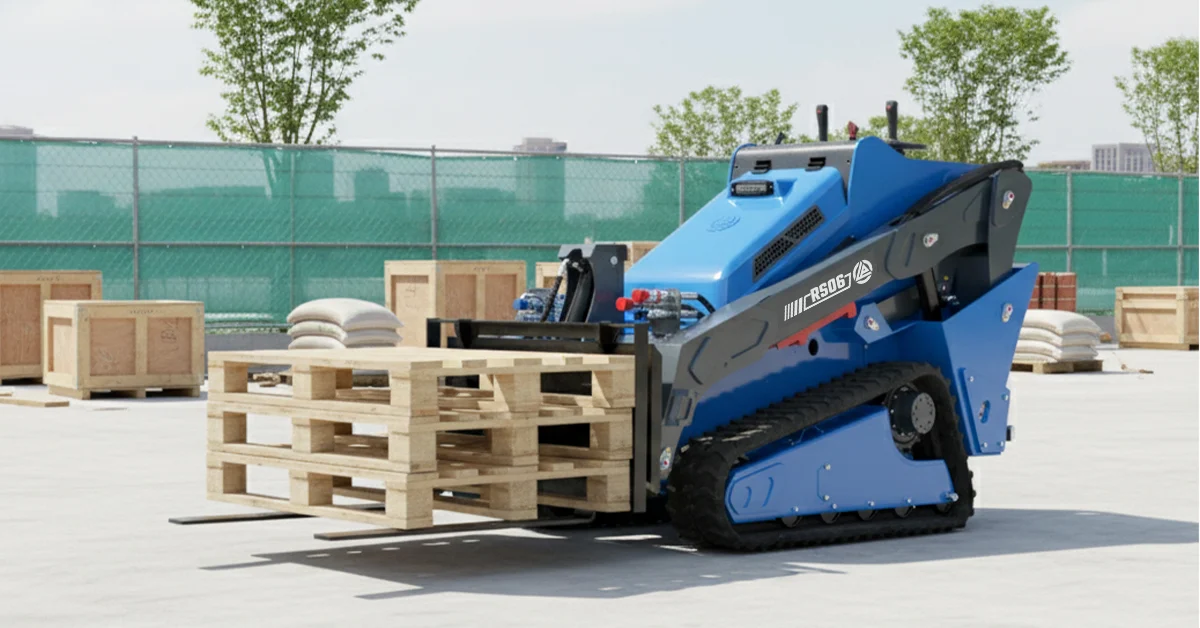
Before starting a skid steer, operators should perform a thorough inspection:
●Check engine oil, hydraulic fluid, and fuel levels
●Inspect tires or tracks for wear or damage
●Verify that all safety devices and lights are functional
●Ensure attachments are securely locked
●Examine hoses, fittings, and moving parts for leaks or wear
Conducting this inspection helps prevent equipment failure and ensures safe operation.
Most modern skid steers use joystick controls, although some older models have hand-and-foot controls.
●Push both joysticks forward to move the machine ahead
●Pull both joysticks back to reverse
●Move one joystick forward or back more than the other to turn
This allows the machine to pivot in place and navigate tight spaces efficiently.
Skid steer attachments are powered by the hydraulic system. Operators should always follow manufacturer instructions for each attachment, avoiding overloads and ensuring proper angles for digging, lifting, or grading.
●Keep loads low while moving to maintain stability
●Avoid sudden turns or stops with raised loads
●Never exceed the skid steer’s rated operating capacity
●Operate on firm and level ground whenever possible
●Maintain a clear view of surroundings and use mirrors or cameras if available
Following these practices reduces the risk of tipping or accidents.
After completing tasks:
●Park on level ground
●Lower all attachments to the ground
●Turn off the engine and remove the key
●Engage safety locks or brakes
Proper shutdown prevents unintended movement and extends equipment life.
Regular maintenance keeps the skid steer in optimal condition:
●Clean debris from the cab, engine, and hydraulics
●Lubricate pivot points and attachment pins
●Replace worn tires, tracks, and filters promptly
●Follow manufacturer service intervals for oil, fluids, and hydraulic checks
Well-maintained machines operate more efficiently and last longer, reducing operating costs.
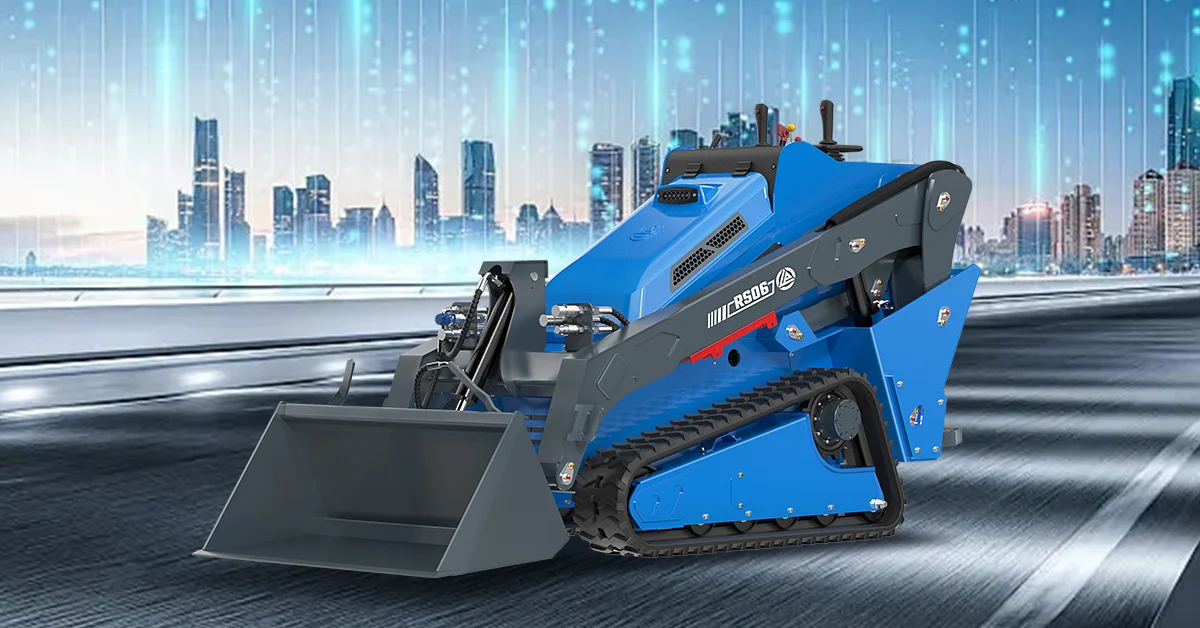
Using a skid steer correctly improves safety, increases job site productivity, and protects your investment. Skilled operators can handle a variety of tasks efficiently, from material handling to grading and snow removal, making the machine an indispensable tool for contractors, landscapers, farmers, and municipal workers.





 Startseite
 Produkte
 E-Mail
 WhatsApp