
Jun 04, 2026
A wheel loader is one of the most versatile pieces of heavy equipment used in construction, mining, agriculture, landscaping, and material handling industries. Known for its mobility, power, and efficiency, a wheel loader is designed to load, transport, and move bulk materials such as soil, gravel, sand, snow, and debris.
As infrastructure projects continue to expand worldwide in 2025, wheel loaders remain essential machines for improving productivity and reducing labor costs. This guide explains what a wheel loader is, how it works, its key applications, and how businesses can choose the right model.
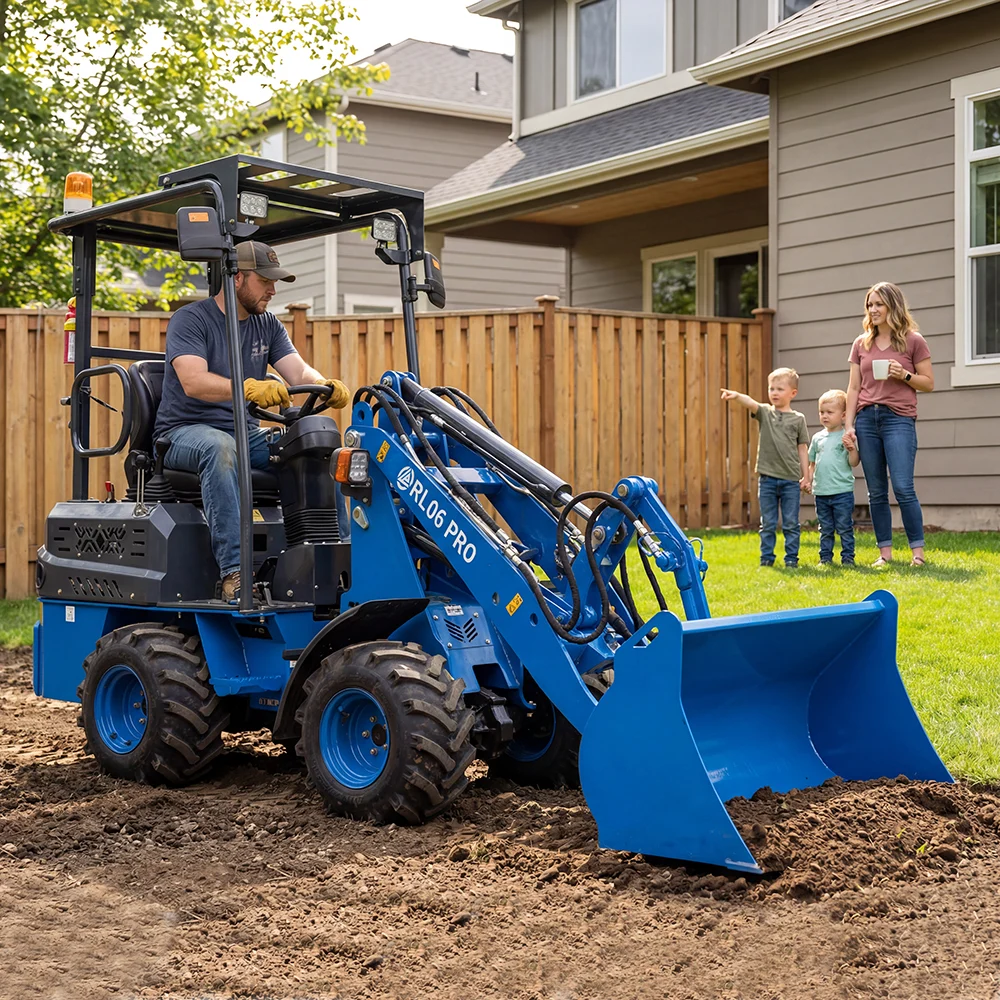
A wheel loader is a heavy-duty machine equipped with a front-mounted bucket attached to hydraulic lifting arms. Unlike tracked loaders, wheel loaders use rubber tires, providing faster travel speeds and greater maneuverability on paved surfaces and job sites.
The primary function of a wheel loader is to scoop, lift, transport, and dump materials efficiently.
Modern wheel loaders are available in various sizes:
Each category is designed to meet specific operational requirements.
The bucket is the primary attachment used for loading and carrying materials. Bucket capacities typically range from 0.5 m³ to over 10 m³.
Hydraulics provide lifting and tilting power, enabling operators to handle heavy loads safely and efficiently.
Modern wheel loaders are powered by fuel-efficient diesel engines that comply with EPA Tier 4 Final and EU Stage V emissions standards.
The operator cab includes ergonomic controls, visibility enhancements, climate control, and advanced monitoring systems.
Heavy-duty tires provide traction and stability across diverse terrain conditions.
Wheel loaders transport aggregates, load trucks, clear job sites, and move construction materials.
Large wheel loaders handle ore, coal, and overburden materials in mining environments.
Farmers use wheel loaders for moving feed, fertilizer, hay bales, and bulk materials.
Municipalities and contractors frequently equip wheel loaders with snow pushers or snow blades for winter maintenance.
Wheel loaders efficiently handle recyclables, waste materials, and landfill operations.
Wheel loaders significantly reduce material handling time compared to manual methods.
Multiple attachments can be installed, including:
Modern machines feature fuel-saving technologies and automatic transmission systems.
Advanced safety systems include:
Consider the following factors:
Choose a machine sized appropriately for the application.
Match bucket size to production requirements.
Ensure the loader can reach truck loading heights.
Evaluate engine performance and operating costs.
Select a machine capable of supporting future attachment needs.
Industry innovations include:
Manufacturers are investing heavily in sustainability and operational efficiency.
Wheel loaders remain indispensable machines across construction, mining, agriculture, and snow removal industries. Their versatility, productivity, and adaptability make them one of the most valuable assets on any job site. As technology continues to evolve in 2025, businesses investing in modern wheel loaders can expect greater efficiency, lower costs, and improved operational performance.


 Home
Home
 Products
 Email
Email
 WhatsApp