Quick Answer: What Should You Consider Before Buying a Mini Excavator?
Before buying, measure your gate width (standard 36 inches), identify your toughest project (depth and soil type), and check your transport capacity (trailer and truck). During purchase, decide between new and used, choose essential attachments (grading blade, thumb, auger), and verify dealer support. After purchase, follow daily maintenance (5‑minute walk‑around), store the machine properly, and keep service records for resale value.
The bottom line: The right machine is not the cheapest or the largest – it is the one that fits your access, projects, and budget while being supported by a reliable after‑sales network. 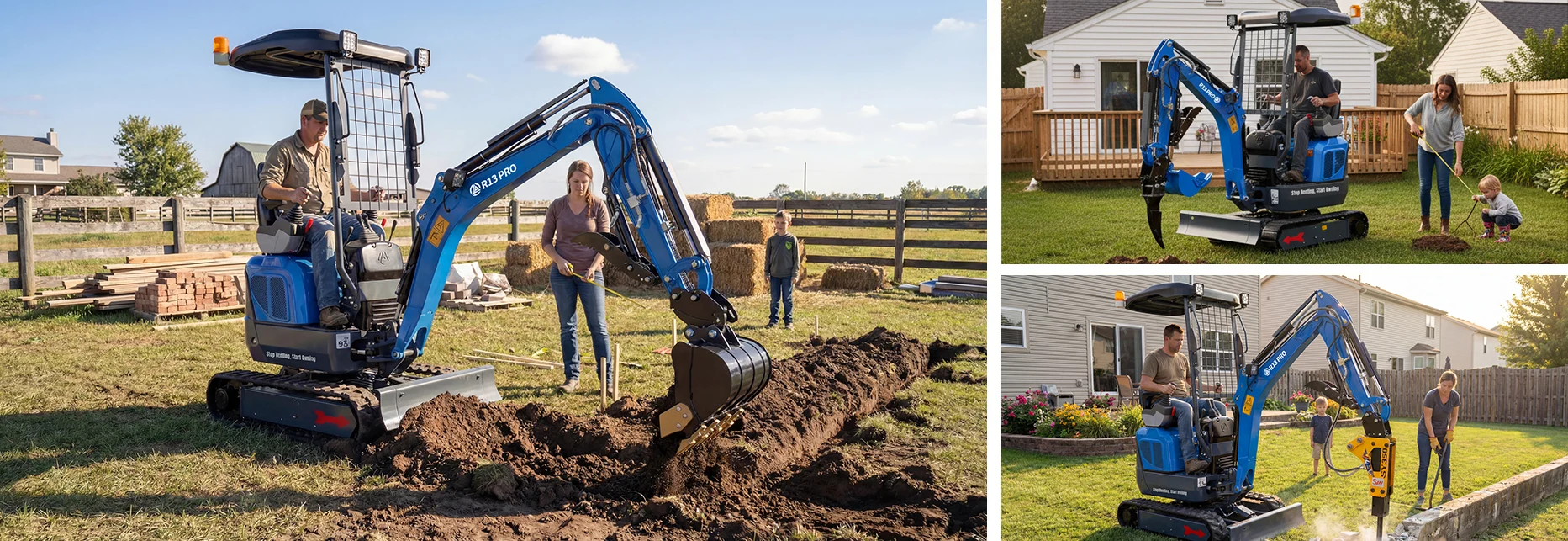
1. Pre‑Purchase: What to Check Before You Buy
1.1 Measure Your Gate and Access Path
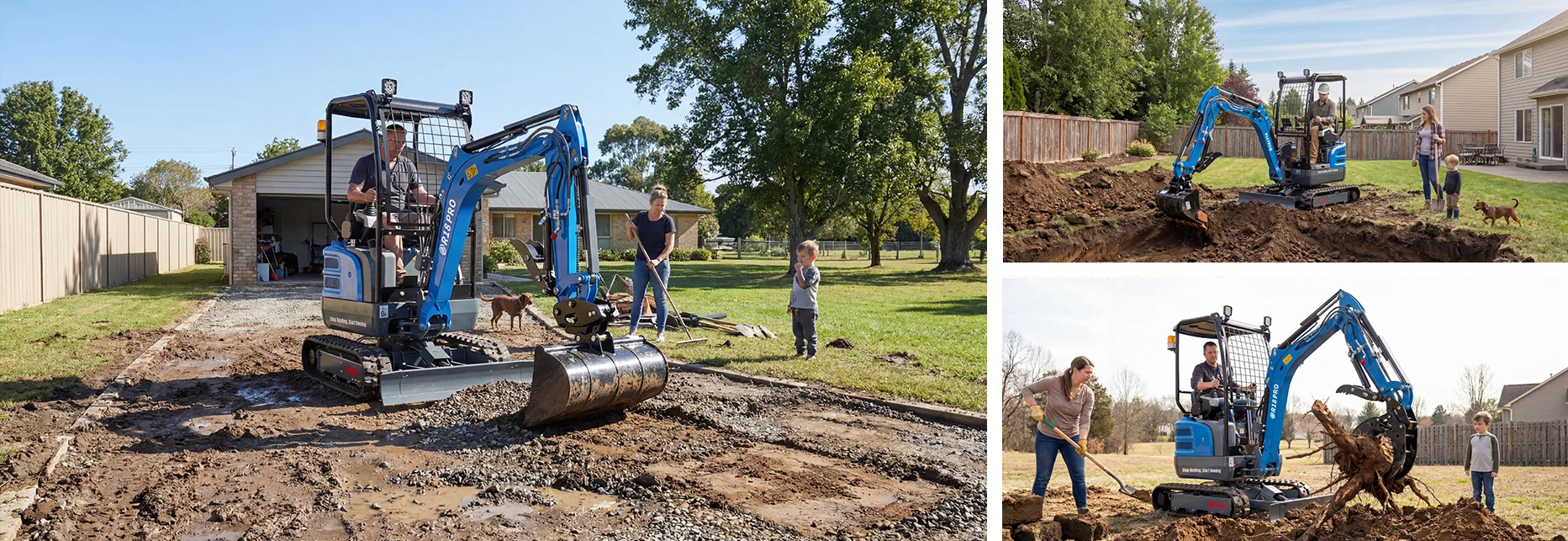
Most residential gates are 36 inches (914 mm) wide. If you cannot get the machine into your backyard, nothing else matters.
Action step: Measure your narrowest gate opening before you even look at specifications.
1.2 Identify Your Hardest Project
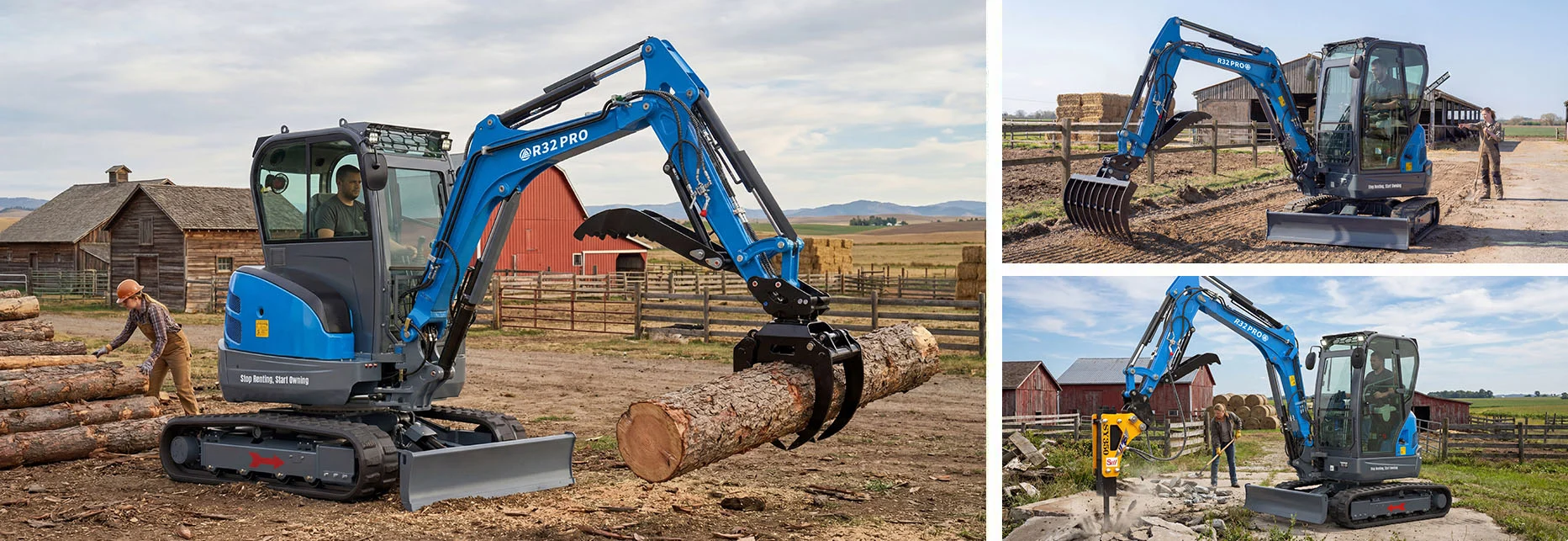
Buy for your toughest task, not your most common one. If you will dig a swimming pool or remove large stumps, you need a machine with sufficient digging depth and force.
1.3 Check Your Transport Setup
Do you have a trailer and a truck capable of towing the machine? If not, consider dealer delivery and keeping the machine on your property.
2. During Purchase: Making the Right Choice
2.1 New vs Used – Which Is Better for You?
Recommendation: For homeowners using the machine 100–200 hours per year, a well‑maintained used machine with a Kubota engine offers excellent value. For contractors or daily use, new with warranty is safer.
2.2 Essential Attachments – What to Buy First
If your machine does not already have a hydraulic quick coupler, add it immediately. It turns a 15‑minute attachment change into a 30‑second operation from the cab.
2.3 Verify Dealer and Parts Support
Before signing, ask these questions:
-
How far is the nearest authorized service center?
-
Are common parts (filters, seals, hoses) stocked locally or shipped from a regional warehouse?
-
What is the typical parts delivery time (1-3 days is good)?
-
Is technical support available by phone or video?
RIPPA maintains overseas warehouses in North America and Europe, with common parts shipping within 48 hours.
3. After Purchase: Maintenance, Storage, and Resale
3.1 Daily and Weekly Maintenance Checklist
A 5‑minute daily check prevents 80% of major failures.
Owner data: 94% of RIPPA owners report no major issues in the first 1,000 hours. Those who had problems often skipped daily checks.
3.2 Storage – Where to Keep Your Machine
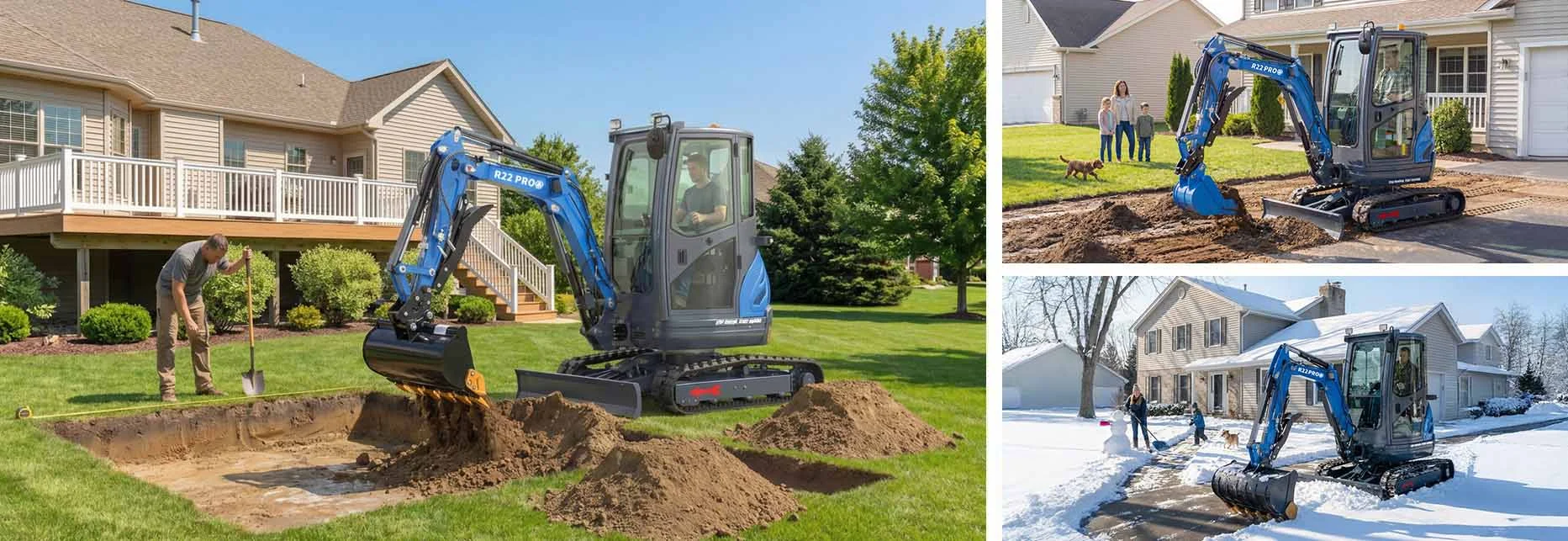
Most RIPPA models fit in a standard garage bay. If you store outdoors, use a breathable cover (not plastic) and run the machine monthly to keep seals lubricated.
3.3 Maintaining Resale Value
A well‑maintained mini excavator with a Kubota engine retains 40-50% of its purchase price after 5 years. To maximize resale:
-
Keep all service records (Digital Thread if available).
-
Fix minor issues before they become major.
-
Touch up paint chips promptly.
-
Replace worn tracks before they become a liability.
-
Store indoors if possible.
Documentation adds value: A machine with complete service records can sell for 10-20% more than an identical machine with unknown history.
4. Frequently Asked Questions
Q: Can a beginner learn to operate a mini excavator?
A: Yes. Modern machines have pilot‑operated joysticks and ISO/SAE pattern switches. Most first‑time operators feel comfortable after 2-4 hours of practice.
Q: Do I need a special license to operate a mini excavator on my own property?
A: No. For personal use on your land, no license is required. Commercial work may have different rules – check local regulations.
Q: How long does a mini excavator last?
A: With proper maintenance, 8,000–12,000 hours (10-15 years for homeowners). The Kubota engine alone is known to exceed 10,000 hours.
Q: What should I do if my machine breaks down?
A: First, contact your local dealer. For minor issues, RIPPA provides video tutorials for common repairs. For warranty claims, your dealer will submit photos and machine details online.
Q: How often should I change the hydraulic oil?
A: Typically every 1,000–2,000 hours, depending on operating conditions. Dusty or heavy use requires more frequent changes. Consult your operator’s manual.
Q: Is it cheaper to rent or buy a mini excavator?
A: For less than 10 days of use per year, rent. For 15+ days per year, buying is cheaper over 5 years. Most homeowners with ongoing projects find buying more economical.
5. Conclusion
Buying a mini ekskavatör is a significant decision, but it does not have to be overwhelming. By following a simple three‑stage process – pre‑purchase (measure, plan, budget), during purchase (choose wisely, add attachments, verify support), and after purchase (maintain, store, document) – you will select a machine that serves you for years and retains its value.
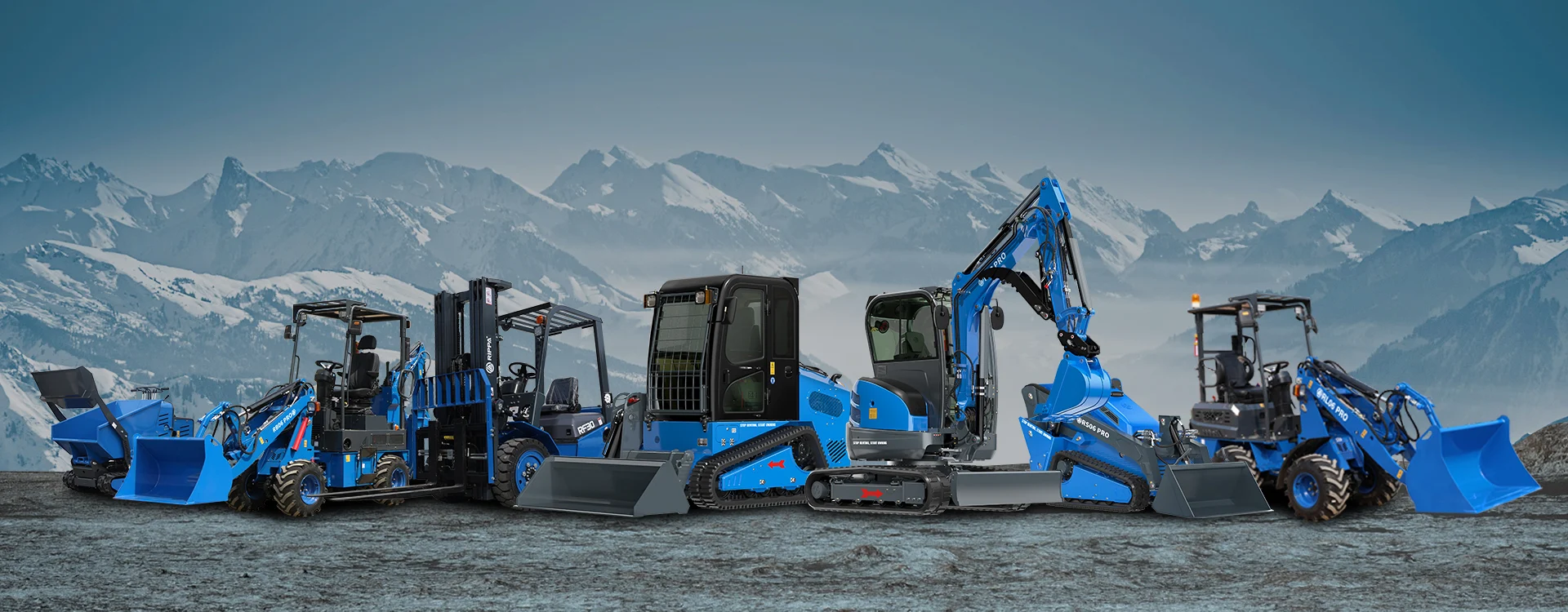
RIPPA offers a range of compact excavators from the gate‑friendly R319 to the powerful R350, all backed by a factory with 50+ robotic welding stations, 200‑hour testing, and a global parts network. Whether you are a homeowner, farmer, or small contractor, there is a RIPPA machine designed for your needs.
Ready to start your search? Contact an authorized RIPPA dealer for a demonstration. Measure your gate, list your projects, and let the experts help you find the perfect fit.






 Ev
Ev
 Ürünler
 E-posta
 WhatsApp