
Haz 18, 2026
A 5‑minute daily inspection prevents 80% of major failures. Key tasks: visual walk‑around for leaks, check fluid levels (engine oil, hydraulic, coolant), grease all fittings, and inspect tracks. Weekly: clean radiator fins, check track tension, inspect air filter. Seasonal: change engine oil and filter, replace fuel filter, check hydraulic fluid.
Owner data: 94% of RIPPA owners report no major issues in the first 1,000 hours. Those who had problems often skipped daily checks.
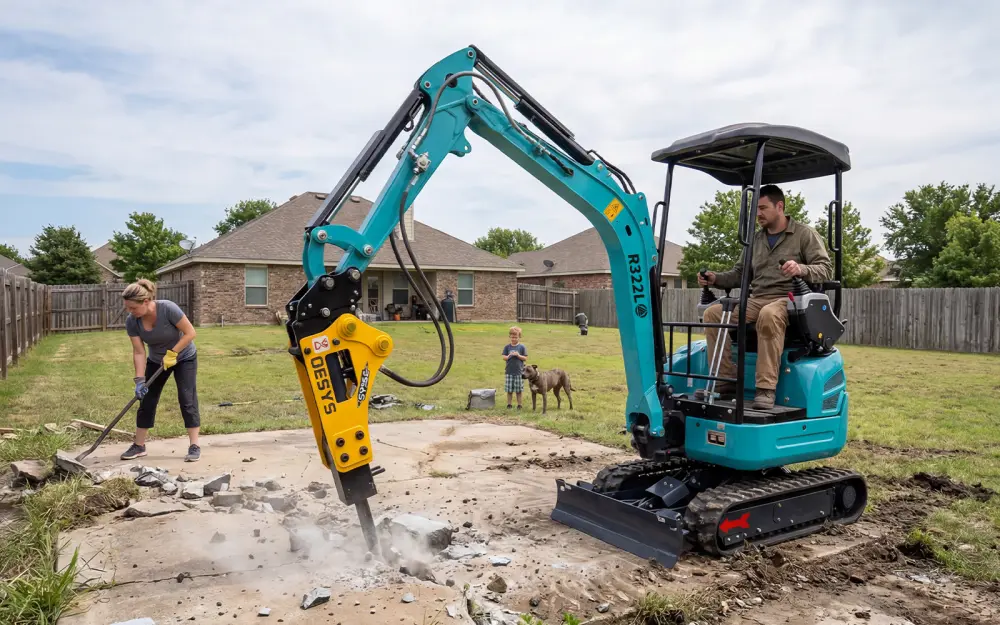
A mini excavator is a significant investment – typically $15,000 to $50,000. Neglect leads to expensive repairs:
| Neglected Maintenance | Typical Consequence | Repair Cost |
|---|---|---|
| Skipping daily grease | Worn pins and bushings | $1,500‑$3,000 |
| Ignoring hydraulic leaks | Pump failure | $3,000‑$6,000 |
| Clogged air filter | Engine damage | $5,000‑$10,000 |
| Low coolant | Overheating, head gasket | $2,000‑$4,000 |
| Worn track neglect | Sprocket/drive motor failure | $3,500‑$7,000 |
Regular maintenance is not an expense – it is an investment in your machine’s future. Routine upkeep can extend the equipment’s lifespan and minimize malfunctions.
Every day before starting the engine:
Visual walk-around:
Fluid leaks: Look under the machine for puddles (hydraulic oil, engine oil, coolant, fuel)–
Hoses: Check for abrasion, bulges, or loose fittings
Tracks: Inspect for cuts, embedded debris, proper tension (10–15 mm sag at mid-point)
Bucket/attachment: Check for cracks, especially at weld points, missing teeth
Structure: Scan boom, arm, and frame for new cracks or damage
Fluid checks:
Engine oil: Check dipstick (machine level, cold). Top up if low. If the oil looks pitch black or feels gritty, it’s time for a change.
Hydraulic oil: Check sight glass or dipstick. Never run low – pumps fail instantly.–
Coolant: Check reservoir level. Never open a hot radiator.
Fuel: Note level; fill at end of day to prevent condensation.
Grease fittings (all pivot points):
Boom pivot pins (2–4 points)
Arm pivot pins (2–4 points)
Bucket linkage (2–4 points)
Swing bearing (access points)
Track adjusters
Function test: Run all functions through full range. Check for hesitation, drift, or unusual noise.
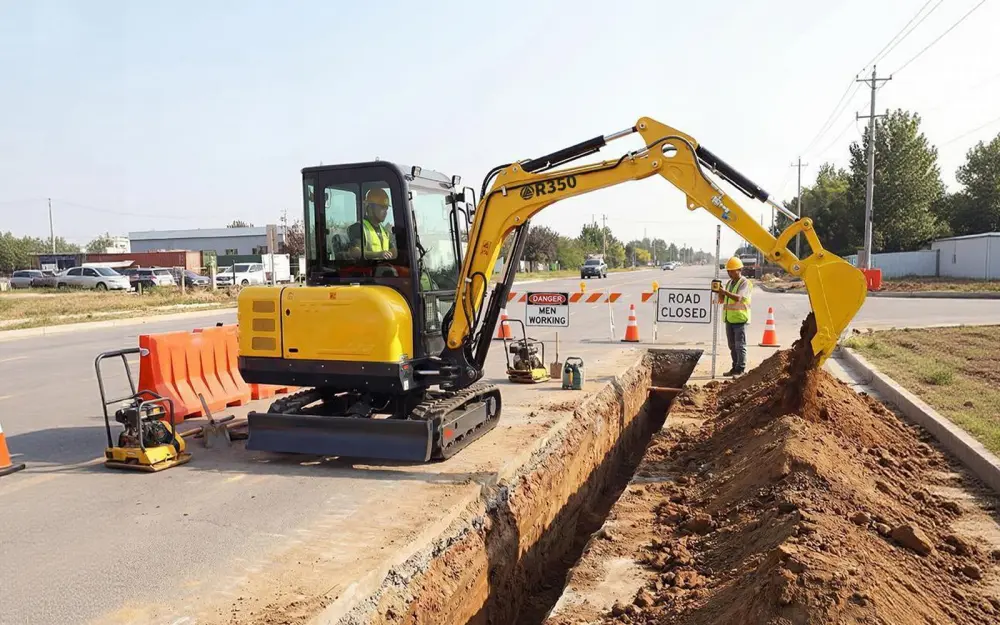
Once a week (or every 50 hours):
Cleaning:
Pressure wash carefully to remove built‑up dirt, especially from engine compartment and cooling fins
Clean radiator and oil cooler fins with compressed air – blow from inside out–
Clean undercarriage – remove packed mud and debris–
Track inspection:
Check tension: proper sag is 10–15 mm at mid‑point
Inspect for damage: cuts, missing lugs, uneven wear
Check sprockets/rollers: wear patterns, debris buildup
Adjust tension if needed
Battery service (lead‑acid):
Clean terminals with wire brush
Apply anti‑corrosion spray
Check electrolyte level; top up with distilled water
Every 250–500 hours (or at season change):
Engine oil and filter change:
Run engine to warm oil
Drain oil (capture for recycling)
Replace oil filter
Refill with recommended oil (API‑rated diesel oil)
Run engine, check for leaks. Regardless of the specified time, change the oil if it appears dirty or degraded.–
Fuel system maintenance:
Replace fuel filter(s)
Drain water separator (if equipped)–
Check fuel lines for cracks or soft spots
Add fuel conditioner before storage
Air filter service:
Remove element and inspect
Clean with compressed air (from inside out) if reusable
Replace if damaged or excessively dirty
Never run engine without air filter
Hydraulic system check:
Check fluid level; top up if needed
Inspect all hoses; replace any with abrasion, bulges, or leaks
Check filter condition; replace per manual (typically 500–1,000 hours)
Cooling system:
Check coolant level and freeze protection
Ensure coolant is mixed correctly for the current operating environment and temperature
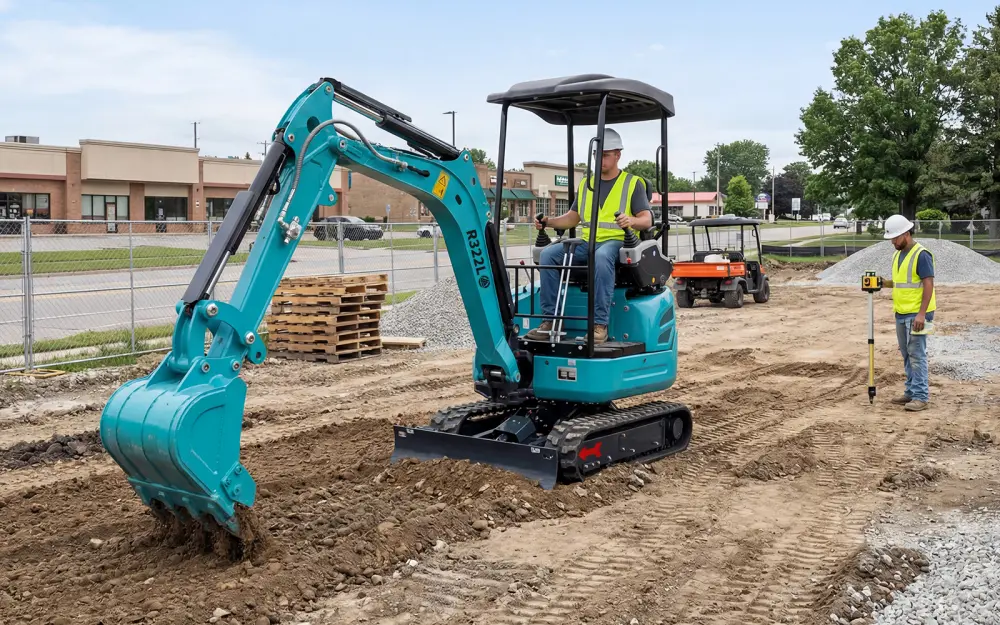
| Symptom | Likely Cause | What to Do |
|---|---|---|
| Slow operation | Low hydraulic fluid, clogged filter | Check fluid level; inspect filter |
| Jerky movement | Air in system, contaminated fluid | Milky fluid color; check for leaks |
| Drift (load drops) | Cylinder seals, valve issue | More than 1″ per minute needs attention |
| Cavitation noise (“marbles”) | Low fluid, restricted intake | Stop immediately – check fluid level |
| Overheating | Dirty cooler, low coolant | Clean cooler fins; verify coolant level |
| Hard starting | Battery, glow plugs, fuel | Cold start test; check fuel condition |
| Black smoke | Air filter, injectors | Check air filter first – cheapest fix |
| Uneven track wear | Alignment issue | Measure wear difference; inspect rollers |
Regular inspection helps catch problems early – leaks, loose fasteners, cracked hoses – before they become expensive repairs.–
Winter storage (if not operating):
Clean machine thoroughly
Fill fuel tank (prevents condensation)
Add fuel stabilizer
Disconnect battery or maintain with trickle charger
Cover machine (breathable cover, not plastic)
Block up tracks to relieve pressure
Winter operation:
Check coolant freeze protection (to -30°F minimum)
Use winter‑grade fuel or add anti‑gel
Check battery condition – cold cranking amps critical
Allow extra warm‑up time (10-15 minutes)
Summer preparation:
Clean cooling system thoroughly
Check coolant level and condition
Inspect hoses – heat accelerates deterioration
Store the machine in a dry place, protected from weather conditions when not in use–
Q: How often should I change hydraulic oil in my mini excavator?
A: Typically every 1,000‑2,000 hours, depending on operating conditions. Dusty or heavy use requires more frequent changes.
Q: Can I do my own maintenance without voiding warranty?
A: Yes, for routine tasks. Daily checks, oil changes, filter replacements, and greasing are owner responsibilities. Keep records and receipts.
Q: What’s the single most important maintenance task?
A: Daily visual inspection. Catching a small leak, loose bolt, or worn hose before it fails prevents 80% of major repairs.
Q: How do I know if my tracks need replacing?
A: Signs include: excessive wear (wear indicators flush with surface), visible damage, uneven wear, or stretched tracks that won’t stay adjusted.
Q: What fluids should I use?
A: Engine oil: API‑rated diesel oil. Hydraulic oil: ISO 46 or per specification. Coolant: 50/50 mix of approved antifreeze and distilled water. Grease: Lithium‑based multi‑purpose.
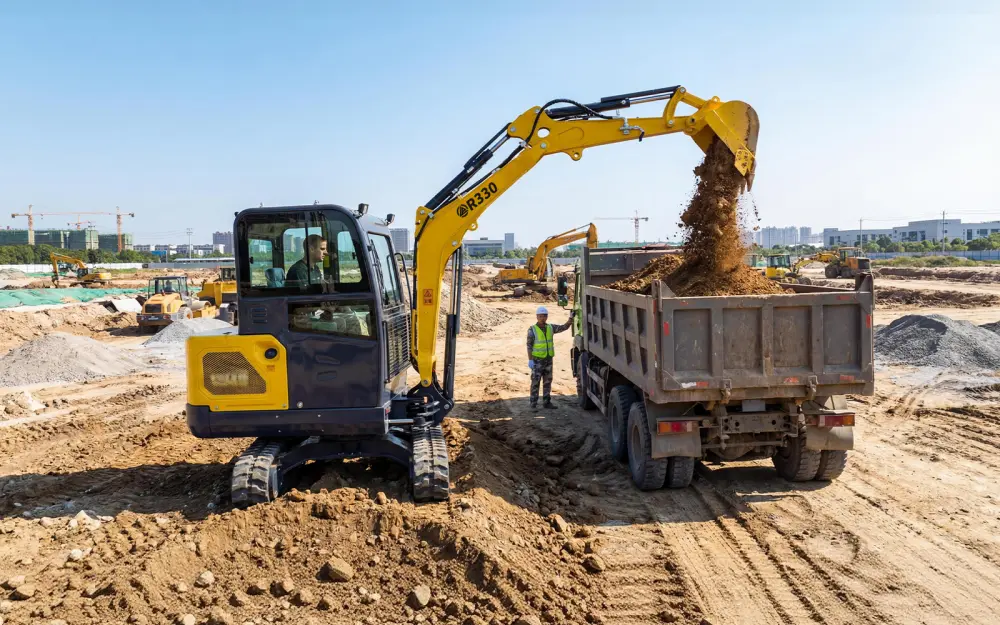
A mini ekskavatör is a significant investment. With proper maintenance, that investment pays returns for a decade or more. The daily walk‑around takes five minutes. Weekly cleaning takes 15 minutes. Seasonal service takes a few hours. Compare that to weeks of downtime and thousands in repair bills, and the choice is clear.
Next step: Check your hour meter daily to determine if the machine has reached a scheduled maintenance interval.–Perform your first daily inspection today. Your machine – and your wallet – will thank you.


 Ev
Ev
 Ürünler
 E-posta
 WhatsApp