
јун 07, 2026
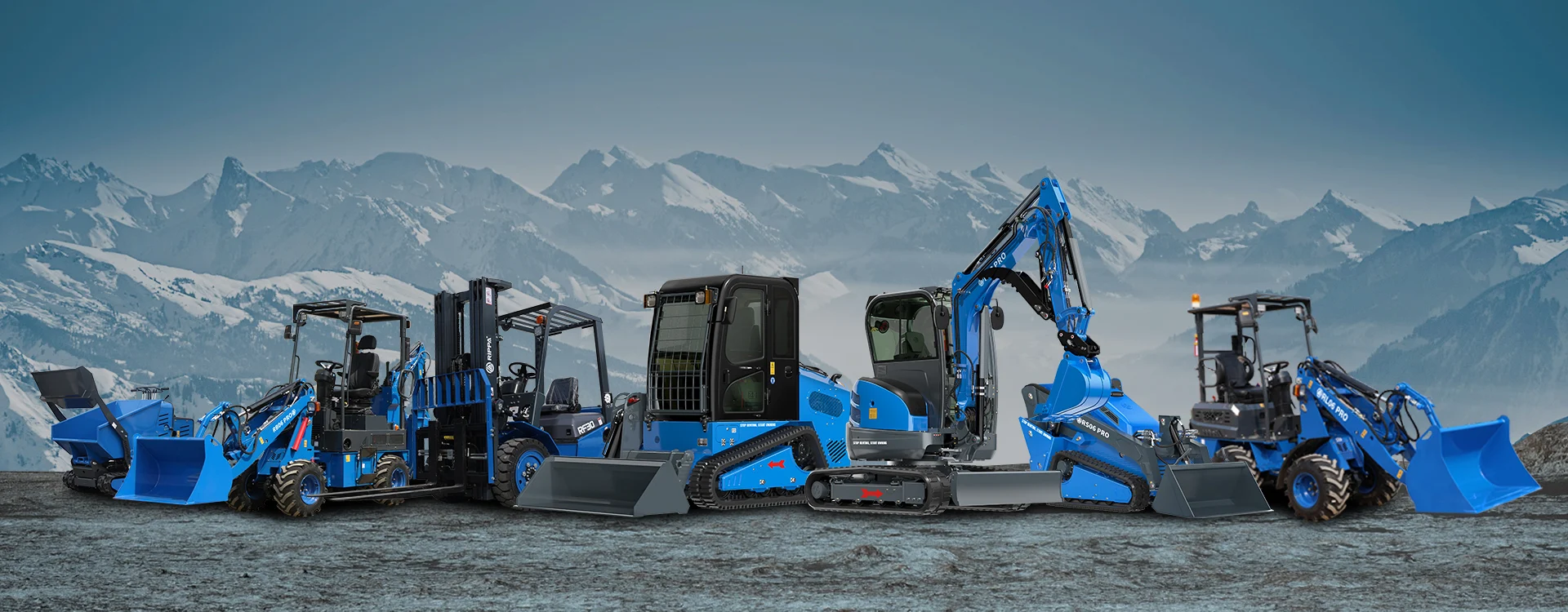
In the world of heavy construction equipment, few machines are as versatile and essential as the товарно-пријемни утоваривач. From loading aggregate materials on construction sites to clearing snow from roads and transporting bulk materials in mining operations, wheel loaders play a critical role in improving efficiency and productivity.
As infrastructure development continues to grow worldwide, contractors, fleet managers, and equipment operators increasingly rely on wheel loaders for their flexibility, power, and cost-effectiveness. Understanding the different types of construction loaders and their applications can help businesses select the right machine for specific jobsite requirements.
This comprehensive guide explores the various types of wheel loaders, their components, applications, benefits, and best practices for maximizing performance.
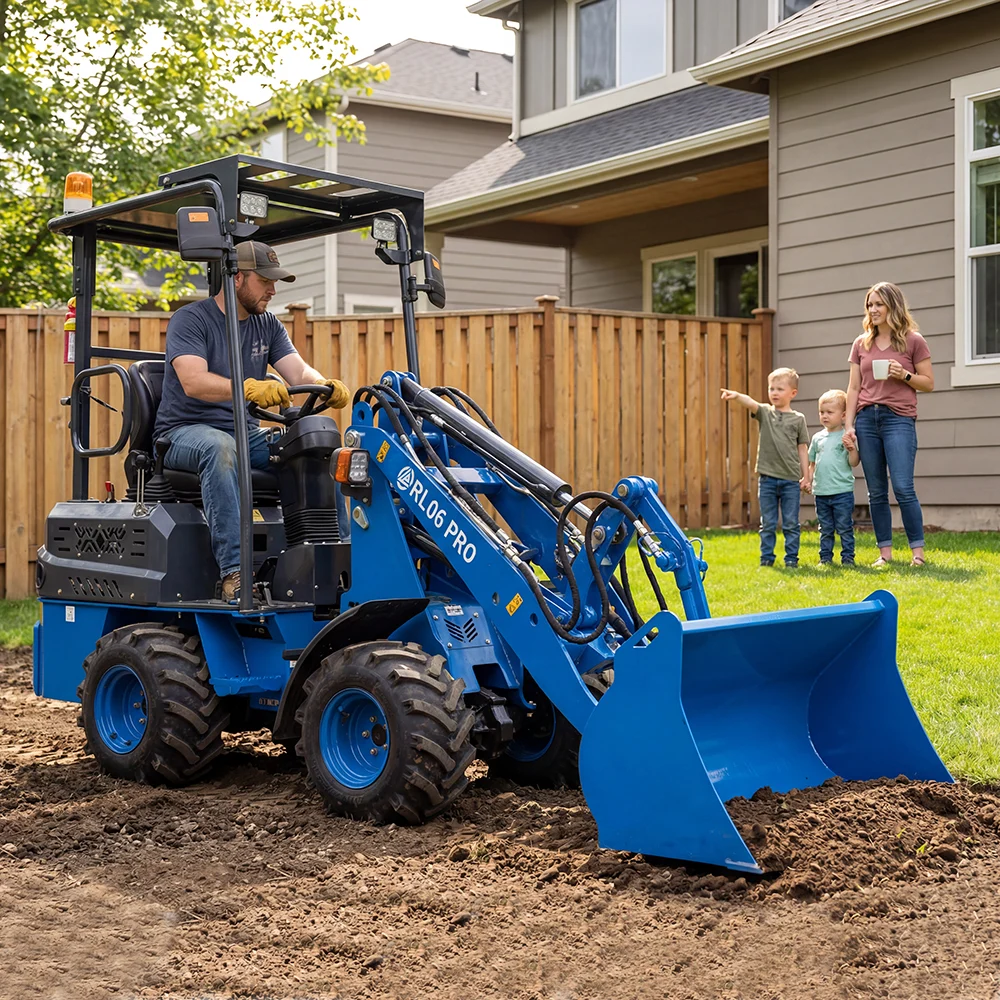
A товарно-пријемни утоваривач, also known as a front-end loader or bucket loader, is a heavy-duty machine designed to scoop, carry, and load materials using a front-mounted bucket attached to hydraulic arms.
Unlike tracked loaders, wheel loaders operate on tires, allowing them to travel faster and move efficiently across construction sites, roads, and industrial facilities.
Modern wheel loaders are equipped with advanced hydraulic systems, fuel-efficient engines, ergonomic operator cabins, and intelligent monitoring technologies.
Choosing the right wheel loader starts with understanding the various categories available.
Compact wheel loaders are designed for confined spaces and smaller projects.
Compact wheel loaders typically feature operating weights below 15,000 lbs and bucket capacities ranging from 0.5 to 2 cubic yards.
Small wheel loaders bridge the gap between compact and medium-sized equipment.
Contractors often choose small wheel loaders because they provide higher lift capacities while remaining versatile and economical.
Medium wheel loaders represent the most commonly used category in commercial construction.
These machines typically offer operating weights between 20,000 and 40,000 lbs.
Large wheel loaders are built for demanding applications where maximum production is essential.
Some mining wheel loaders can move over 30 tons of material in a single cycle.
Understanding wheel loader components helps operators improve maintenance and operational efficiency.
The engine powers both machine movement and hydraulic operations.
Modern wheel loaders often include:
These technologies improve fuel efficiency while complying with environmental regulations.
The hydraulic system controls:
A high-performance hydraulic system enables faster cycle times and improved material handling capabilities.
Loader arms connect the bucket to the machine and provide lifting power.
Manufacturers design loader arms to withstand heavy loads and repetitive stress while maintaining stability.
The bucket is the primary working attachment.
Suitable for:
Designed for:
Ideal for:
Heavy-duty tires provide:
Wheel loaders often operate in harsh conditions, making tire selection and maintenance critical.
Modern wheel loader cabins focus on safety and comfort.
Common features include:
Wheel loaders are indispensable on construction sites.
Their ability to quickly move large volumes of material helps keep projects on schedule.
Mining companies use wheel loaders for:
Large wheel loaders significantly improve mine productivity.
In aggregate production facilities, wheel loaders handle:
Their durability makes them ideal for continuous operation.
Farmers use wheel loaders to:
Attachment versatility makes them valuable year-round.
Recycling facilities depend on wheel loaders for:
Specialized attachments improve efficiency in handling diverse materials.
One of the biggest advantages of wheel loaders is attachment compatibility.
Used for:
Perfect for:
Ideal for winter maintenance projects.
Used to clean:
Wheel loaders can move large quantities of material quickly, reducing project timelines.
Compared to tracked equipment, wheel loaders travel faster between work areas.
Multiple attachment options allow a single machine to perform various tasks.
Modern wheel loaders feature:
Comfortable operators remain productive throughout long work shifts.
Safety should always be a priority.
Inspect:
Always ensure:
Exceeding rated capacities can:
Always follow manufacturer guidelines.
Recommended equipment includes:
The wheel loader industry is rapidly evolving.
Electric models offer:
They are becoming increasingly popular in urban projects.
Advanced telematics systems provide:
Manufacturers are investing heavily in:
These technologies improve productivity and enhance safety.
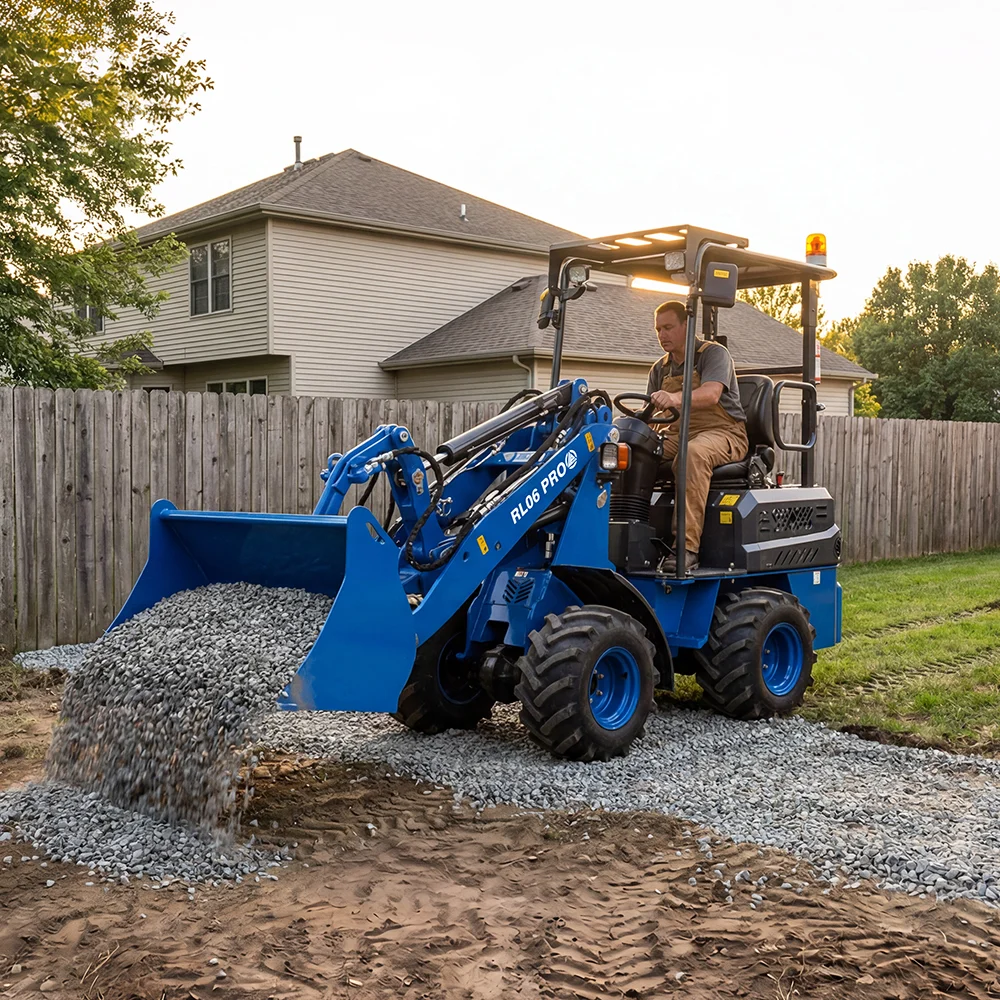
Wheel loaders remain one of the most valuable pieces of equipment in construction, mining, agriculture, recycling, and snow removal industries. Understanding the different types of construction loaders allows businesses to select equipment that matches operational requirements while maximizing productivity and return on investment.
Whether you need a compact wheel loader for landscaping projects or a large mining loader for high-production environments, investing in the right machine can significantly improve efficiency and profitability. As electric powertrains, telematics, and autonomous technologies continue to develop, wheel loaders will remain at the forefront of modern material handling solutions.


 Почетна
 Производи
 Е-пошта
 ВхатсАпп