Wheel loaders and front end loaders are among the most versatile machines used in construction, agriculture, landscaping, mining, and industrial material handling. Whether you need to move soil, gravel, sand, pallets, or agricultural materials, choosing the right loader directly affects productivity, operating efficiency, and long-term ownership costs.
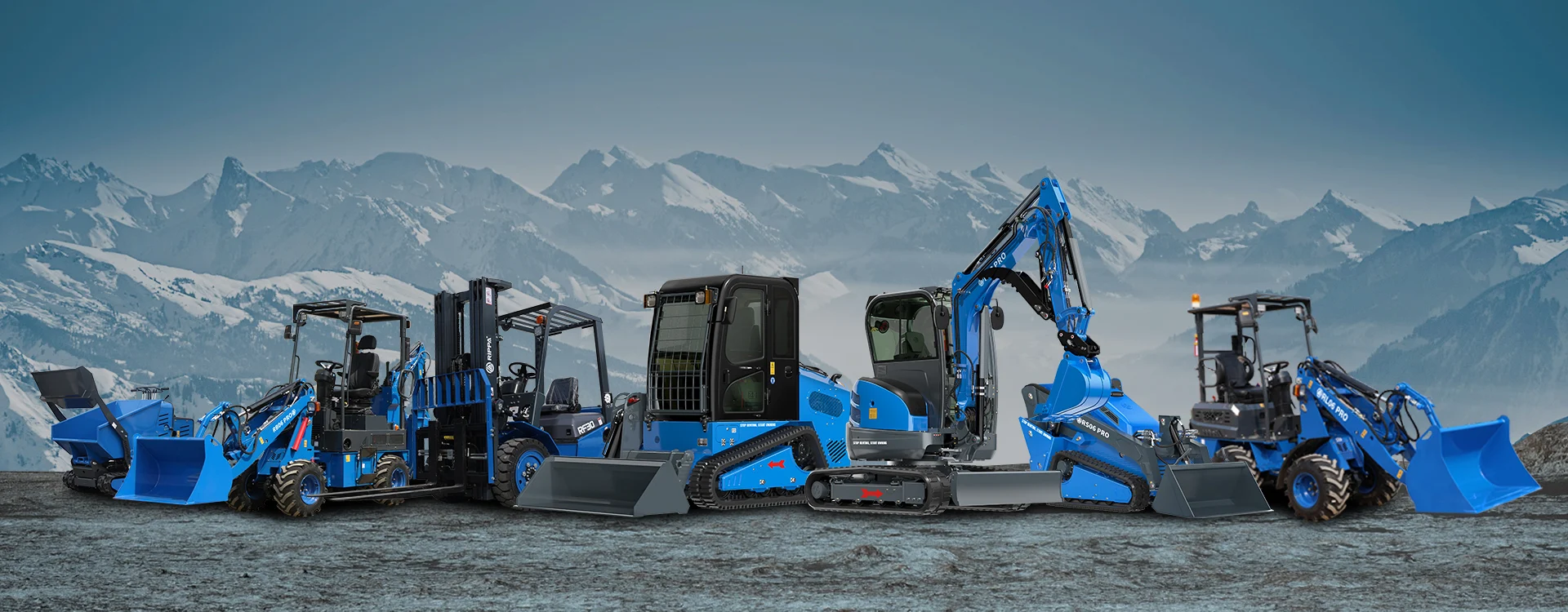
As infrastructure projects continue to expand worldwide, contractors and equipment dealers are looking for reliable machines that combine performance, durability, and easy maintenance. Rippa has become a trusted manufacturer by offering wheel loaders designed for demanding job sites while providing flexible solutions for distributors and professional users worldwide.
What Is a Wheel Loader?
A wheel loader is a heavy-duty construction machine equipped with four wheels and a front-mounted bucket. Powered by a hydraulic system, it is designed to load, transport, lift, and dump loose materials quickly and efficiently.
Unlike tracked equipment, wheel loaders offer excellent mobility, allowing operators to travel rapidly between different work areas without damaging paved surfaces. Their versatility makes them indispensable for contractors, farms, municipalities, and industrial facilities.
Typical materials handled include:
- Sand
- Gravel
- Soil
- Stone
- Snow
- Wood chips
- Fertilizer
- Construction waste
- Recyclable materials
Modern wheel loaders can also be equipped with forks, grapples, snow blades, sweepers, and many other attachments, significantly expanding their capabilities.
What Is a Front End Loader?
The term front end loader generally refers to any machine that uses a front-mounted bucket for loading materials. In many markets, “wheel loader” and “front end loader” are used interchangeably.
However, front end loaders may include several equipment categories:
- Wheel loaders
- Compact wheel loaders
- Tractor front end loaders
- Mini loaders
Regardless of terminology, the primary purpose remains the same: efficiently loading and transporting materials with powerful hydraulic lifting performance.
Wheel Loader vs Front End Loader
Many buyers wonder whether there is a difference between a wheel loader and a front end loader.
In reality, the distinction is mostly based on terminology rather than machine design.
| Колесный погрузчик |
Front End Loader |
| Professional construction equipment |
General equipment description |
| Four-wheel articulated machine |
Can describe various loader types |
| Common in construction industry |
Common in agriculture and general equipment markets |
| Designed for heavy-duty loading |
Refers to the front loading mechanism |
Understanding this difference helps buyers search for equipment more effectively while ensuring they choose the right machine for their applications.
Industries That Depend on Wheel Loaders
Строительство
Wheel loaders transport aggregates, backfill trenches, load trucks, clear job sites, and support excavation work. Their mobility allows operators to move efficiently between multiple work zones.
Сельское хозяйство
Farm operators use front end loaders to handle hay bales, feed, fertilizer, grain, and manure while maintaining barns, storage facilities, and fields throughout the year.
Ландшафтный дизайн
Compact wheel loaders excel in landscaping because they maneuver easily through residential and commercial properties while handling soil, mulch, rocks, and trees.
Municipal Maintenance
Cities and local governments rely on wheel loaders for snow removal, road maintenance, waste handling, and public works projects.
Recycling and Waste Management
Wheel loaders efficiently load recyclable materials, scrap metal, demolition debris, and industrial waste, improving productivity in recycling facilities.
Key Features to Consider Before Buying
Hydraulic Performance
A responsive hydraulic system ensures smooth lifting, faster loading cycles, and greater efficiency when handling heavy materials.
Operator Comfort
Comfortable seating, intuitive controls, excellent visibility, and reduced vibration help operators stay productive during long working hours.
Fuel Efficiency
Efficient engines reduce fuel consumption while delivering consistent power across various applications.
Attachment Compatibility
A versatile loader should support multiple attachments, including:
- Вилы для поддонов
- Grapple buckets
- Snow blades
- Подметальные машины
- Material buckets
- Bale handlers
Quick attachment changes allow one machine to perform multiple tasks.
Easy Maintenance
Accessible service points and simplified maintenance reduce downtime and lower operating costs over the equipment’s lifetime.
Choosing the Right Wheel Loader Size
Compact Wheel Loaders
Ideal for:
- Ландшафтный дизайн
- Property maintenance
- Small construction projects
- Сельское хозяйство
- Warehouses
Compact models offer excellent maneuverability in confined spaces while maintaining impressive lifting capability.
Medium Wheel Loaders
Suitable for:
- General construction
- Муниципальная работа
- Material yards
- Infrastructure projects
These machines provide a balanced combination of lifting capacity and operating efficiency.
Large Wheel Loaders
Best suited for:
- Mining
- Quarry operations
- Large infrastructure projects
- Heavy industrial applications
Heavy-duty wheel loaders maximize productivity in high-volume material handling environments.
Why Businesses Choose Rippa Wheel Loaders
Rippa focuses on delivering dependable construction equipment designed for global markets. Every wheel loader is developed to meet the needs of contractors, dealers, rental companies, and agricultural users.
Key advantages include:
- Durable structural design
- Efficient hydraulic systems
- Comfortable operator stations
- Easy daily maintenance
- Wide attachment compatibility
- Reliable performance across diverse working environments
- Comprehensive dealer support
- Global parts supply
Whether working on construction sites or agricultural operations, Rippa wheel loaders help businesses improve efficiency while reducing operating costs.
Maintenance Tips for Longer Equipment Life
Proper maintenance extends equipment lifespan and minimizes unexpected downtime.
Recommended practices include:
- Inspect hydraulic hoses regularly.
- Check tire pressure before operation.
- Keep the bucket and linkage clean.
- Replace filters according to maintenance schedules.
- Lubricate pivot points routinely.
- Monitor engine oil and coolant levels.
- Perform daily visual inspections before starting work.
Preventive maintenance ensures consistent performance and helps protect your investment.
Why Wheel Loaders Continue to Grow in Popularity
Growing investments in construction, infrastructure, agriculture, and industrial development continue to increase demand for reliable wheel loaders. Businesses are prioritizing equipment that delivers productivity, versatility, and lower operating costs.
Modern wheel loaders have evolved to offer improved fuel efficiency, enhanced operator comfort, advanced hydraulic performance, and compatibility with a wide range of attachments, making them valuable assets across multiple industries.
Заключение
Wheel loaders and front end loaders remain essential machines for construction, farming, landscaping, municipal maintenance, and material handling. Selecting the right equipment involves evaluating application requirements, machine size, hydraulic performance, attachment options, and long-term support.
For businesses seeking dependable equipment backed by manufacturing expertise, Rippa provides a comprehensive range of wheel loaders designed to deliver reliable performance, operational efficiency, and lasting value. Whether you are expanding your fleet, becoming a dealer, or upgrading existing equipment, investing in the right wheel loader is a smart step toward improving productivity and achieving long-term success.



 Главная
 Продукция
 Электронная почта
 WhatsApp