
1 februarie 2026
A încărcător cu braț articulat, commonly known as a backhoe, is a versatile piece of construction equipment that combines three main functions into one machine:
1)A front loader bucket for loading and material handling
2)A rear-mounted backhoe arm for digging and trenching
3)A tractor-style chassis that provides mobility and stability
Because of this combination, backhoe loaders are widely used in construction, agriculture, utilities, and municipal projects.
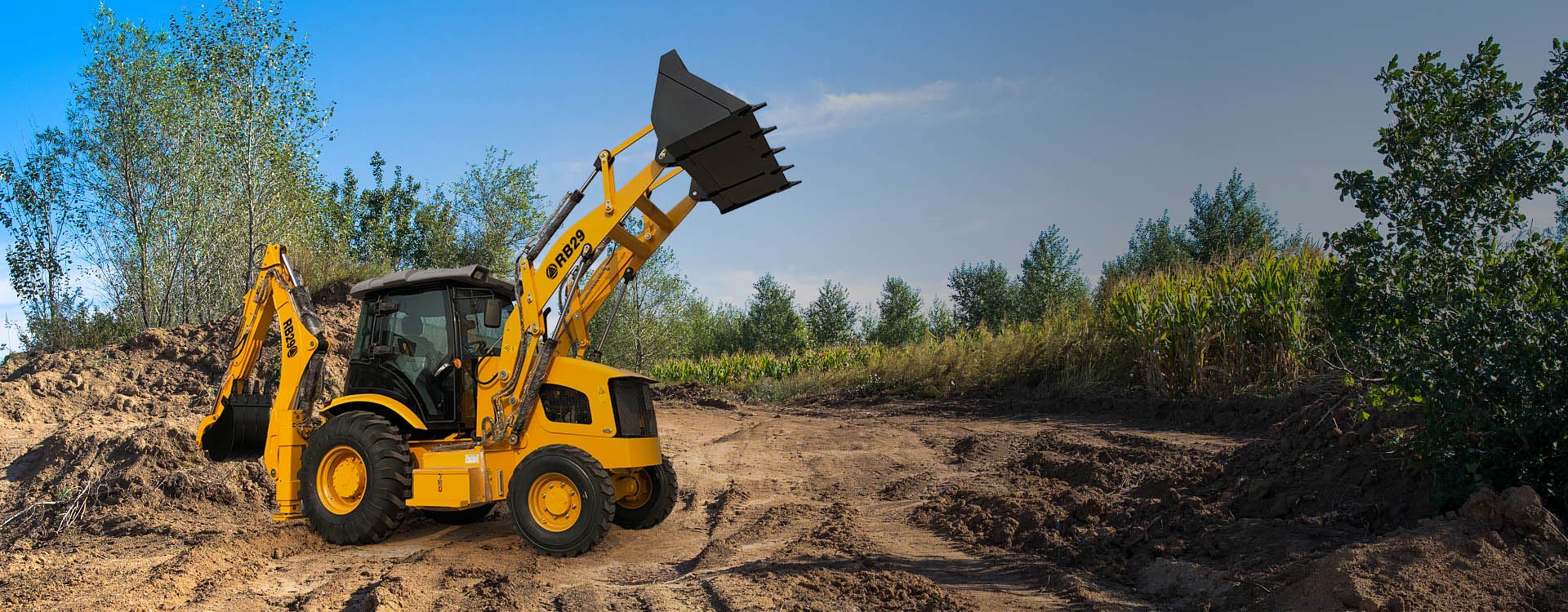
The term “backhoe” comes from the rear digging arm, which operates by pulling material back toward the machine, opposite to the motion of a traditional front shovel.
In industry terminology, many machines are named after their primary working motion. The backhoe loader is named specifically for its rear excavation mechanism.
The front loader is used for:
1)Loading soil, gravel, and debris
2)Carrying materials across the jobsite
3)Backfilling trenches after excavation
The front bucket can often be replaced with forks or other attachments.
The rear arm consists of:
1)Boom
2)Dipper stick
3)Bucket
Backhoe loaders are capable of digging:
1)Trenches
2)Foundations
3)Drainage channels
Their digging depth and reach make them suitable for utility and infrastructure work.
To ensure digging stability, backhoe loaders are equipped with stabilizer legs that:
1)Anchor the machine during excavation
2)Prevent tipping or movement
3)Improve digging accuracy
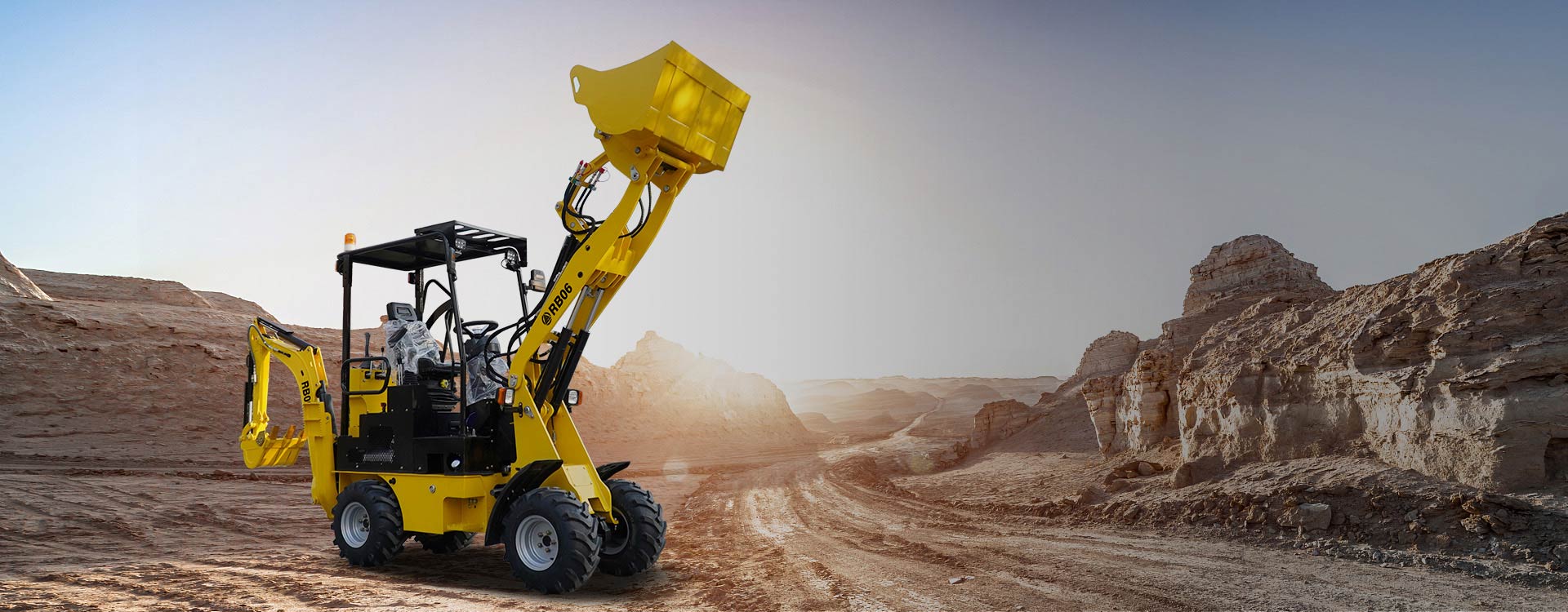
A backhoe loader typically has:
1)A forward-facing operator position for driving and loading
2)A rear-facing operator position for excavation
Some modern machines allow seat rotation to switch between tasks efficiently.
Hydraulic systems power:
1)Loader lift and tilt
2)Backhoe arm movement
3)Stabilizer deployment
Smooth hydraulic control is critical for precision digging and safe operation.
Backhoe loaders are widely used for:
1)Road maintenance
2)Foundation digging
3)Utility trenching
In agricultural environments, backhoes support:
1)Drainage installation
2)Fence post digging
3)Farm maintenance tasks
Municipal departments favor backhoe loaders because one machine can handle multiple tasks with minimal equipment changes.
A single backhoe loader can replace:
1)A small excavator
2)A wheel loader
3)A tractor in some applications
This reduces equipment investment and simplifies fleet management.
Unlike many excavators, backhoe loaders can:
1)Travel directly on roads
2)Move between jobsites without trailers (in many regions)
This makes them ideal for dispersed job locations.
Backhoe loaders are larger than compact equipment and may struggle in:
1)Tight urban spaces
2)Indoor environments
While versatile, a backhoe loader may not outperform a dedicated excavator or loader in highly specialized tasks.
Despite the availability of compact machines, backhoe loaders remain popular because they offer:
1)Balanced performance
2)Proven reliability
3)Broad application coverage
For many contractors, versatility outweighs specialization.
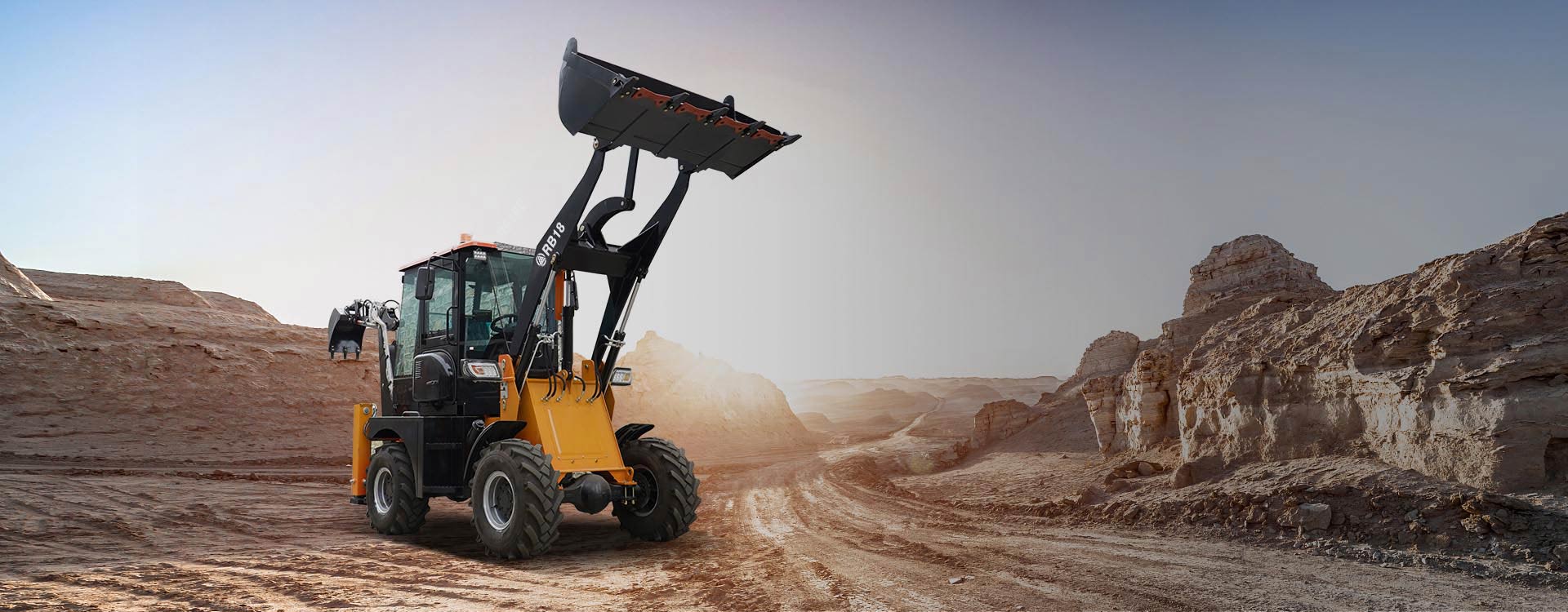
Different models offer different excavation capacities, which should match project requirements.
Adequate engine output and hydraulic flow ensure smooth operation across loading and digging tasks.
A backhoe loader is a highly versatile construction machine designed to handle both excavation and material handling tasks. By combining a front loader and a rear digging arm on a single chassis, it provides flexibility, mobility, and cost efficiency across a wide range of industries.
For contractors, municipalities, and agricultural users, the backhoe loader remains a practical and dependable solution for everyday work.


 Acasă
Acasă
 Produse
 E-mail
 WhatsApp