
feb 06, 2026
Choosing between a skid steer loader and a compact track loader (CTL) is one of the most common decisions contractors, equipment dealers, and fleet buyers face. Both machines offer strong performance and versatility, but understanding their differences, applications, attachments, and ownership costs is essential before making a purchase decision. This guide combines practical industry knowledge with real-world comparisons to help you select the right machine for your jobsite and business goals.
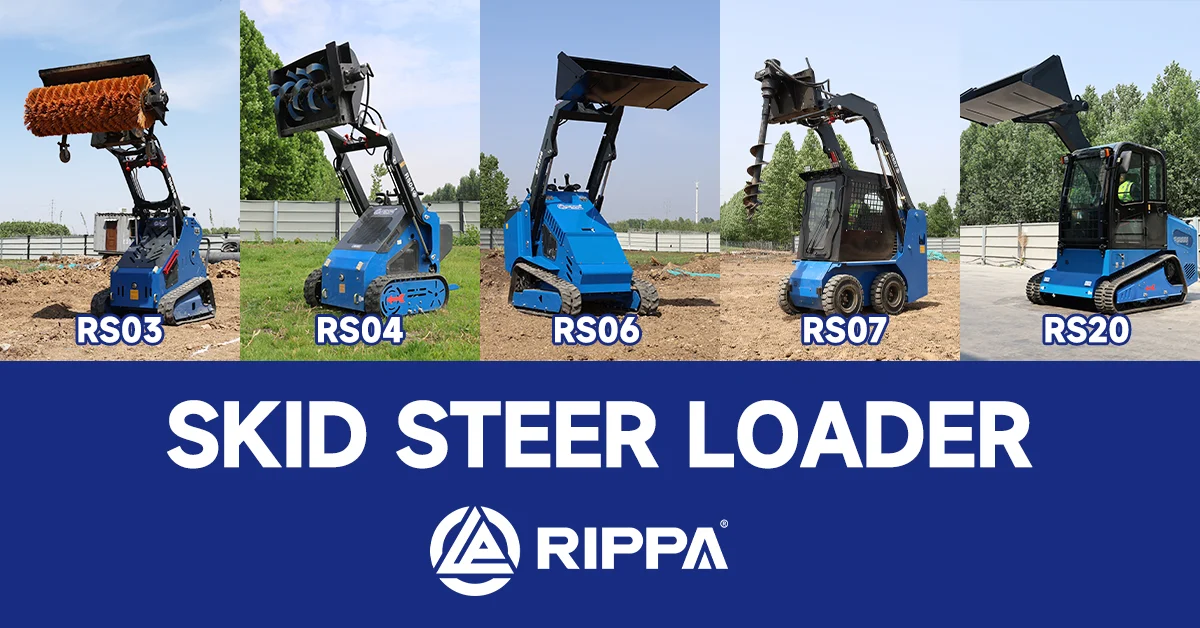
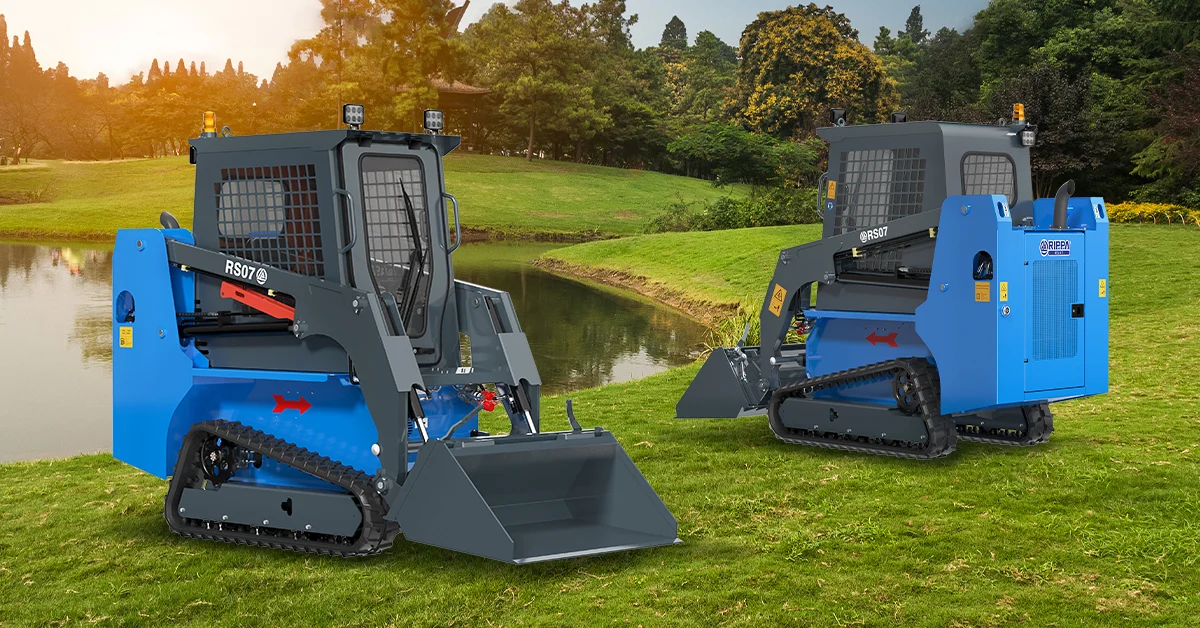
A skid steer loader is a compact wheeled machine designed for maneuverability, speed, and cost-effective performance on hard surfaces. A compact track loader uses rubber tracks instead of wheels, offering superior traction and stability on soft or uneven terrain.
●Mobility: Skid steers are faster on paved surfaces, while CTLs excel on mud, sand, and snow.
●Ground Pressure: Track loaders distribute weight evenly, reducing surface damage.
●Maintenance: Wheeled machines are easier and cheaper to maintain.
●Initial Cost: Skid steers usually have a lower purchase price.
●Construction contractors expanding fleets
●Landscaping companies upgrading equipment
●Agricultural operators choosing multipurpose machines
●Rental companies evaluating ROI and utilization rates
Skid steer loaders are known for flexibility and speed, making them ideal for a wide range of industries.
●Material loading and transportation
●Asphalt and concrete work
●Warehouse and yard operations
●Demolition and debris removal
●Snow clearing and municipal maintenance
●Urban construction with paved access
●Indoor projects and tight spaces
●Jobs requiring frequent relocation
●Sites with firm, dry ground conditions
Compact track loaders are preferred when traction, stability, and flotation are critical.
●Wet soil or muddy construction zones
●Forestry and land clearing
●Agriculture and livestock feeding areas
●Sloped terrain and uneven surfaces
●Heavy digging or grading tasks
●Increased pushing power
●Reduced ground damage on soft terrain
●Better stability with heavy loads
●Enhanced operator confidence on slopes
Both skid steers and CTLs can perform multiple tasks with interchangeable attachments.
●General-purpose buckets
●Augers for drilling holes
●Hydraulic breakers
●Brush cutters and mulchers
●Pallet forks for logistics work
●Snow blades and sweepers
●Hydraulic flow requirements
●Weight limits of the machine
●Compatibility with quick coupler systems
●Application-specific durability
●Skid steers typically cost less upfront.
●Tires are cheaper to replace than rubber tracks.
●CTLs may reduce downtime on challenging terrain.
●Fuel consumption varies depending on workload.
●Track systems require regular tension checks
●Wheeled machines need tire inspections
●Hydraulic systems must be serviced regularly
●Preventive maintenance reduces long-term expenses
●What terrain will the machine operate on most?
●Do you need high travel speed or maximum traction?
●Will the equipment be used year-round?
●What attachments are essential for your business?
●Is dealer support available in your region?
●Choosing based only on price
●Ignoring transport and trailer requirements
●Overlooking operator comfort and safety features
●Underestimating maintenance costs
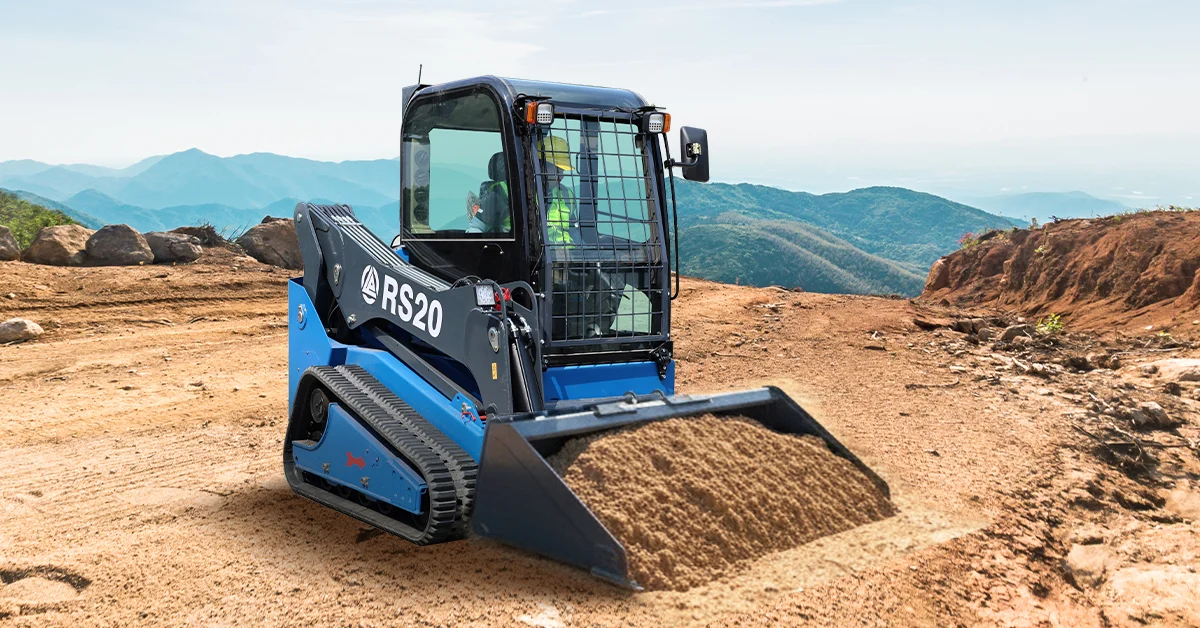
Both skid steer loaders and compact track loaders are powerful, versatile machines designed to improve efficiency and productivity. Skid steers remain the best choice for hard surfaces, lower costs, and fast movement between tasks. Compact track loaders excel in difficult terrain, heavy-duty applications, and conditions where traction matters most.
The right decision depends on jobsite conditions, attachment needs, operating budget, and long-term fleet strategy. By understanding machine differences and aligning equipment with real operational demands, contractors and dealers can maximize ROI while improving overall performance.





 Home
Home
 Producten
 E-mail
 WhatsApp