
jan 27, 2026
In the world of construction, landscaping, and agriculture, heavy machinery plays a pivotal role in making tasks easier and more efficient. Two such pieces of equipment that are incredibly versatile are Skid Steer Loaders (SSL) og Compact Track Loaders (CTL). Although these machines share similar functionalities, they are distinct in their design, capabilities, and ideal uses. This article will dive into both, comparing their features, advantages, and helping you decide which one is right for your business needs.
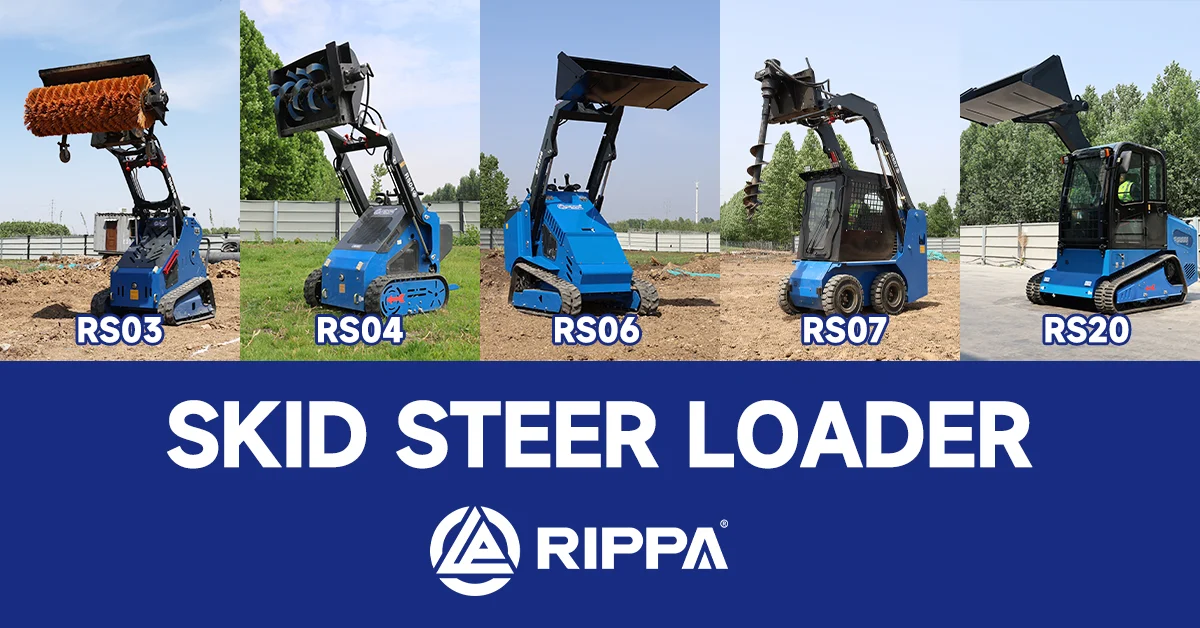
A Skid Steer Loader (SSL) is a compact, wheeled machine with a unique steering mechanism that allows it to turn on a dime. The term “skid steer” comes from the way the machine’s wheels move independently of each other, making it ideal for maneuvering in tight spaces. Skid steer loaders are known for their compact size, excellent maneuverability, and ability to handle a wide variety of attachments, making them essential tools for various industries.
●Wheeled Design: SSLs are equipped with wheels, providing excellent mobility on hard surfaces like concrete and asphalt.
●Versatility: With a wide array of attachments, SSLs can perform tasks such as digging, lifting, carrying materials, and even snow removal.
●Compact Size: Their small footprint makes them ideal for operating in confined spaces like urban construction sites or landscaping projects.
●Lift Capacity: They can handle heavy loads relative to their size, making them useful for material handling tasks.
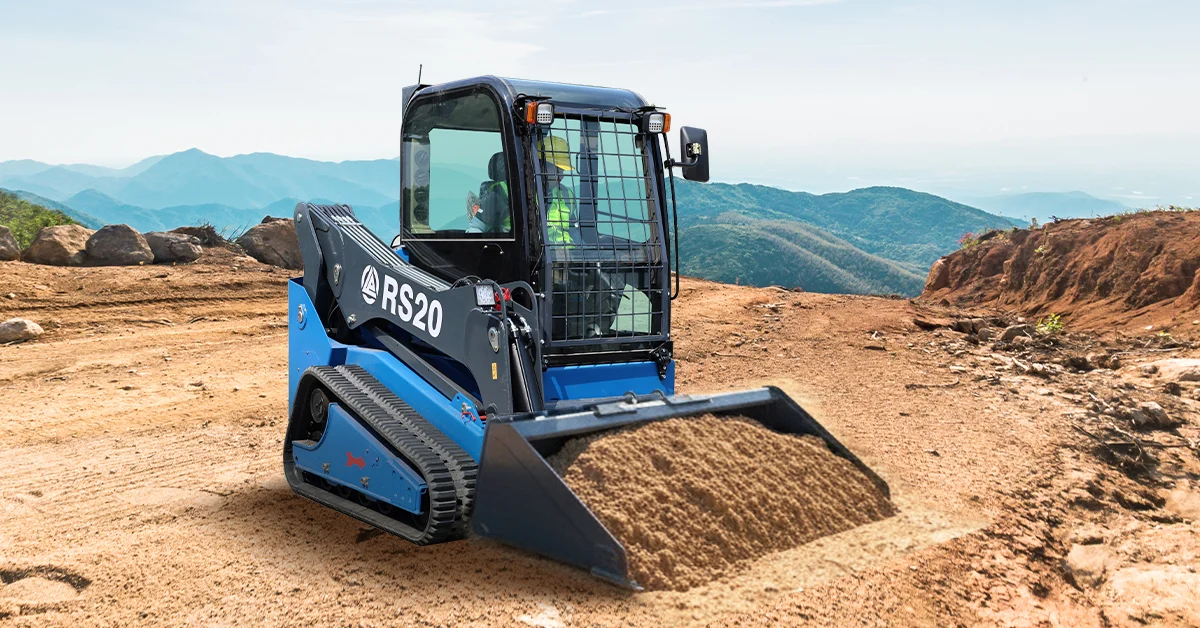
A Compact Track Loader (CTL) is similar to a skid steer loader in many ways but features tracks instead of wheels. The tracks give the CTL better ground contact, making it more stable and capable of operating on softer or rougher terrains like mud, snow, and gravel. Compact track loaders are particularly suited for outdoor conditions where traction and stability are crucial.
●Tracked Design: Tracks provide better flotation, which is ideal for operating on soft or uneven ground.
●Stability and Traction: CTLs offer superior traction compared to skid steers, making them the better choice for landscaping or construction on soft, loose surfaces.
●Powerful Performance: They tend to offer more power for lifting and digging compared to their wheeled counterparts.
●Reduced Ground Pressure: Thanks to the tracks, these machines distribute weight over a larger surface area, which reduces the likelihood of damage to sensitive or soft ground.
While both SSLs and CTLs are useful machines, their differences are what set them apart in terms of usage og performance.
●Skid Steer Loaders: Best suited for hard, stable surfaces such as paved roads or compact dirt.
●Compact Track Loaders: Better for rough, soft, or uneven ground, including loose dirt, sand, snow, or muddy conditions.
●Skid Steer Loaders: Generally more maneuverable due to their smaller size and wheeled design.
●Compact Track Loaders: While still relatively nimble, they are less maneuverable than SSLs due to the larger surface area of the tracks.
●Skid Steer Loaders: Tend to have lower maintenance costs because they feature fewer moving parts (wheels instead of tracks).
●Compact Track Loaders: The tracks require more maintenance and are more prone to wear, especially if used frequently on hard, abrasive surfaces.
●Skid Steer Loaders: May cause more damage to soft ground due to their concentrated weight on the wheels.
●Compact Track Loaders: The weight is distributed more evenly across the tracks, causing less ground pressure and reducing the risk of damage.
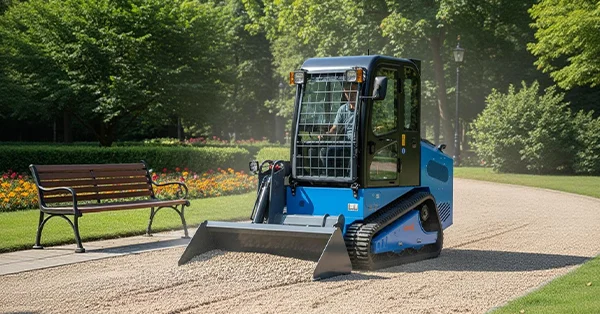
Skid steer loaders are ideal for jobs that require high maneuverability, limited space, og work on hard surfaces. Here are some scenarios where a skid steer loader would be the best option:
●Landscaping: Tight spaces, such as residential lawns or narrow pathways, make SSLs the go-to option.
●Urban Construction: Skid steer loaders can easily navigate tight urban environments where space is a premium.
●Material Handling: SSLs excel in handling materials like gravel, dirt, and sand, particularly on firm surfaces.
Compact track loaders are best suited for work environments where traction og ground stability are a concern. Here are a few scenarios where you should choose a CTL:
●Landscaping and Excavation: If you are working on softer terrains, such as sandy soil or mud, CTLs are better suited for the job due to their improved stability and traction.
●Snow Removal: The tracks of CTLs allow them to perform better in snowy conditions compared to wheeled SSLs.
●Heavy Lifting on Uneven Terrain: CTLs offer more power and are generally better at handling tough jobs in rugged conditions, making them more efficient in off-road operations.
Choosing between these two machines largely depends on the specific needs of your business. Here are some factors to consider:
●Terrain: If your work involves soft ground or challenging terrains, a compact track loader is your best bet.
●Maneuverability: If you’re working in tight spaces or urban environments, a skid steer loader will provide better agility.
●Cost of Ownership: Skid steer loaders generally have lower maintenance and fuel costs, while compact track loaders can incur higher ongoing maintenance due to their tracks.
●Work Conditions: For dry, hard surfaces, SSLs are excellent. For wet or soft ground conditions, CTLs are far more capable.
Both Skid Steer Loaders (SSL) og Compact Track Loaders (CTL) have their own distinct advantages, and choosing the right one depends on the nature of your work. If you need a versatile, maneuverable machine for tight spaces, the skid steer loader is the perfect choice. On the other hand, if your work involves rough terrains, snow, or wet conditions, a compact track loader will provide the durability and traction you need to get the job done efficiently.
By evaluating your business’s specific needs—whether it’s working in confined spaces, soft terrain, or tough lifting conditions—you can make an informed decision on which machine best fits your operational requirements. Understanding these differences will ensure you invest in the right equipment for maximum productivity and profitability.





 Hjem
Hjem
 Produkter
 E-post
 WhatsApp