
Bir 02, 2026
A wheel loader is one of the most widely used pieces of heavy equipment in the construction, mining, agriculture, and material handling industries. Known for its versatility, mobility, and high productivity, a wheel loader is designed to load, lift, transport, and move materials efficiently across various job sites.
Whether moving gravel on a construction site, loading trucks in a quarry, handling feed on a farm, or managing materials in a warehouse, wheel loaders play a critical role in improving operational efficiency. Their ability to work with a wide range of attachments makes them one of the most adaptable machines available today.
In this guide, we will explore what a wheel loader is, how it works, its common applications, available attachments, and the benefits it offers businesses across different industries.
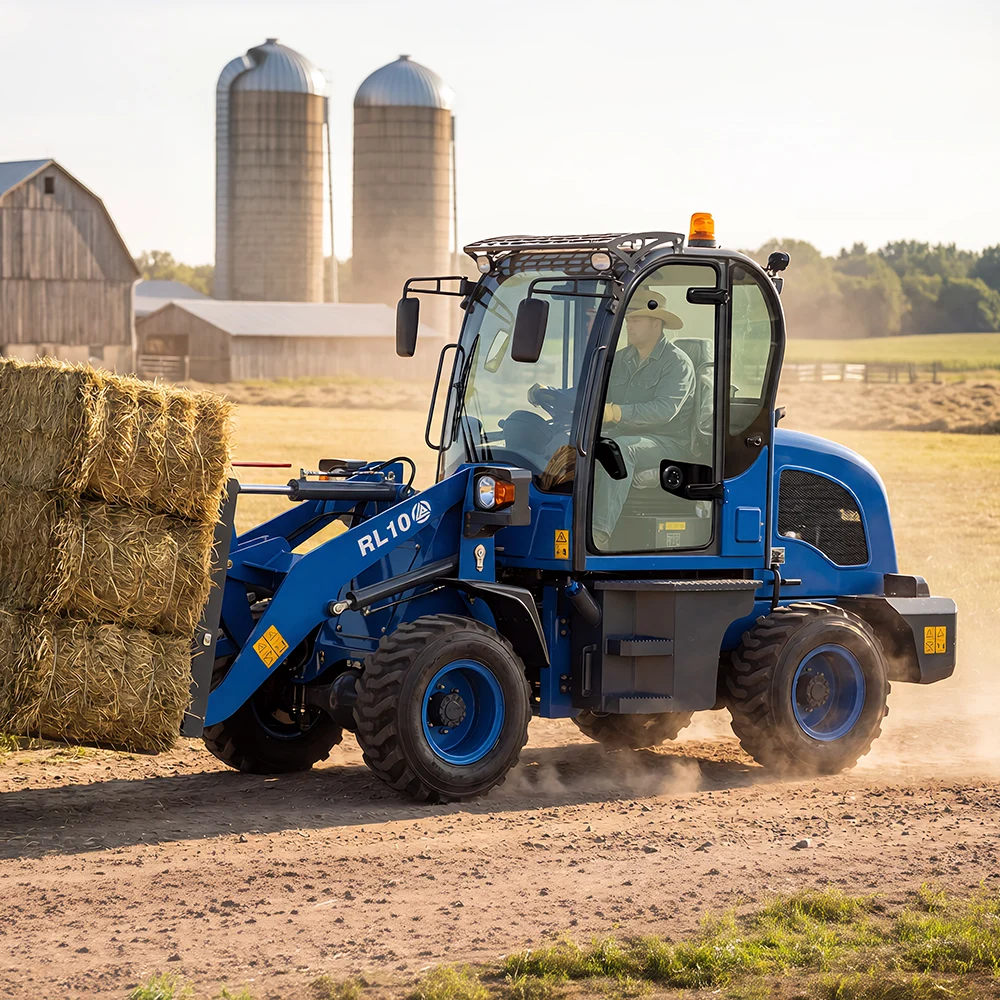
A wheel loader is a heavy-duty machine equipped with four large wheels, an articulated steering system, and a front-mounted bucket used for scooping, lifting, and transporting materials.
Unlike tracked loaders, wheel loaders use tires, which allow them to travel faster and operate efficiently on hard surfaces such as roads, concrete, and compacted ground.
The machine is powered by a diesel or electric engine and utilizes a hydraulic system to control the movement of the bucket and lift arms.
Wheel loaders are available in various sizes, ranging from compact models for small projects to large machines designed for mining and quarry operations.
Understanding the major components of a wheel loader helps operators and buyers appreciate how the machine functions.
The engine provides the power required to operate the machine. Modern wheel loaders use fuel-efficient engines that comply with international emission standards while delivering excellent performance.
The hydraulic system powers the lift arms and attachments. It allows operators to lift heavy materials with precision and control.
The bucket is the primary working tool used for loading and transporting materials. Different bucket types are available depending on the application.
Lift arms connect the bucket to the machine and enable vertical movement for loading trucks, stockpiling materials, and handling various tasks.
Modern operator cabins are designed for comfort, visibility, and safety. Features often include air conditioning, ergonomic controls, digital displays, and rear-view cameras.
Wheel loaders are used in a wide range of industries because of their flexibility and efficiency.
Construction companies rely on wheel loaders for tasks such as:
Their speed and maneuverability make them essential equipment on construction sites.
In mining environments, wheel loaders are used to:
Large wheel loaders are specifically designed to handle heavy loads and operate continuously under demanding conditions.
Farmers use wheel loaders throughout the year for:
Compact wheel loaders are particularly popular in agricultural operations due to their maneuverability.
Wheel loaders are frequently used in warehouses, ports, and industrial facilities for:
Their versatility helps businesses improve productivity and reduce labor costs.
One of the greatest advantages of a wheel loader is its ability to use various attachments.
This is the most common attachment and is used for handling:
Pallet forks transform a wheel loader into a material handling machine capable of transporting palletized goods safely and efficiently.
Grapples are ideal for handling:
These attachments are commonly used in forestry and waste management industries.
Snow removal attachments allow wheel loaders to operate during winter months and support municipal maintenance programs.
Sweepers help keep roads, industrial sites, parking lots, and construction areas clean and safe.
Wheel loaders can move large amounts of material quickly, helping businesses complete projects faster and more efficiently.
Unlike tracked machines, wheel loaders can travel at higher speeds and move easily between job sites.
Multiple attachment options allow one machine to perform a variety of tasks, reducing the need for additional equipment.
Modern wheel loaders offer improved fuel efficiency, simplified maintenance, and long service life, helping businesses lower operating expenses.
Comfortable cabins and advanced control systems improve operator productivity while reducing fatigue.
Selecting the right wheel loader depends on several factors.
Choose a machine based on the scale of your projects and the amount of material you need to handle.
A larger bucket can improve productivity but may require a more powerful machine.
Higher horsepower provides better performance in demanding applications.
Consider whether you will need forks, grapples, sweepers, or other specialized attachments.
Working with a reliable wheel loader manufacturer ensures access to spare parts, technical support, and professional after-sales service.
The wheel loader industry continues to evolve with new technologies focused on efficiency and sustainability.
Key trends include:
These innovations help businesses improve productivity while reducing environmental impact.
Wheel loaders are among the most versatile and valuable machines in the heavy equipment industry. Their ability to load, lift, transport, and handle a wide range of materials makes them essential in construction, mining, agriculture, logistics, and municipal operations.
With various attachments, advanced hydraulic systems, and modern technology, wheel loaders continue to deliver outstanding performance and operational efficiency. Whether you are a contractor, farmer, mining operator, or equipment buyer, investing in the right wheel loader can significantly improve productivity and support long-term business growth.


 Pagrindinis
 Produktai
 El. paštas
 "WhatsApp"