
ožu 16, 2026
Choosing the best forklift brand for warehouses is essential for improving efficiency, safety, and long-term operational costs. Warehouses rely heavily on forklifts to move pallets, stack goods, and handle materials efficiently. With many brands on the market, selecting the right one requires evaluating reliability, performance, cost, and after-sales support.
This guide explains what makes a forklift brand ideal for warehouse operations and highlights several of the most trusted forklift manufacturers.
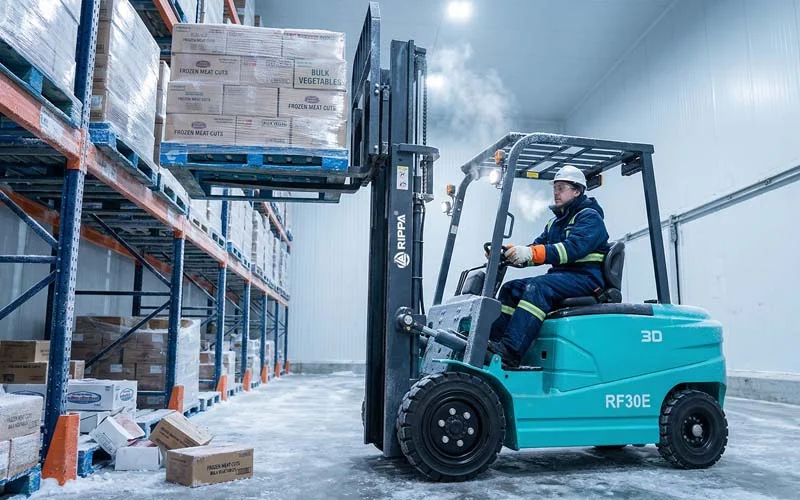
Warehouse environments demand equipment that can operate continuously while maintaining safety and productivity. A reliable forklift brand ensures:
●High lifting efficiency
●Low maintenance costs
●Operator comfort and safety
●Durability in intensive operations
The right brand can reduce downtime, improve workflow, and increase warehouse throughput.
Before choosing a forklift brand, businesses should consider the following factors:
Warehouse forklifts typically range from 1.5 to 5 tons in lifting capacity. Selecting the correct capacity prevents equipment overload and improves safety.
Warehouses often have narrow aisles. Compact forklifts with tight turning radiuses are ideal for maximizing storage density.
Electric forklifts are increasingly popular because they produce zero emissions, lower operating costs, and quieter operation compared to diesel models.
A good forklift brand offers durable components and easy maintenance access to minimize downtime.
Global service networks, spare parts availability, and warranty programs are critical for long-term operations.
Here are several globally recognized forklift brands commonly used in warehouses:
Toyota is widely known for reliability and advanced safety systems. Their forklifts are popular in large logistics operations because of their durability and strong resale value.
Hyster forklifts are designed for demanding environments and heavy loads. They are commonly used in industrial warehouses and distribution centers.
Crown focuses heavily on electric forklifts and warehouse equipment such as reach trucks and pallet stackers. Their designs emphasize ergonomic operation.
This German brand is known for advanced warehouse technology and efficient electric forklifts. Jungheinrich equipment is widely used in automated warehouses.
RIPPA forklifts are gaining attention in international markets as a cost-effective solution with strong performance. Designed for both warehouse and logistics applications, they offer:
●Reliable lifting performance
●Durable steel frames
●Competitive pricing
●Global distributor support
For businesses seeking affordable yet high-quality forklifts, RIPPA provides an attractive option.
Most warehouses today prefer electric forklifts because they provide several advantages:
| Feature | Electric Forklift | Diesel Forklift |
|---|---|---|
| Emissions | Zero emissions | Produces exhaust |
| Noise | Very quiet | Louder |
| Maintenance | Lower | Higher |
| Indoor Use | Ideal | Limited |
Electric forklifts are especially suitable for indoor warehouse operations where ventilation and noise control are important.
To select the best forklift brand, consider the following steps:
1.Evaluate warehouse layout and aisle width
2.Determine maximum load requirements
3.Compare forklift energy types (electric, diesel, LPG)
4.Analyze operating cost and maintenance expenses
5.Choose a manufacturer with reliable global support
Working with a trusted manufacturer ensures long-term equipment reliability and productivity.
The best forklift brand for warehouses depends on your operational needs, budget, and long-term service support. Brands like Toyota, Crown, and Jungheinrich are known for premium equipment, while manufacturers such as RIPPA provide competitive pricing with reliable performance.
As warehouse automation and logistics demand continue to grow, investing in the right forklift brand will help businesses increase efficiency, reduce costs, and stay competitive in modern supply chains.





 Home
Home
 Products
 Email
Email
 WhatsApp