
ožu 13, 2026
A forklift is one of the most essential pieces of equipment used in modern logistics and material handling. From warehouses and factories to ports and construction sites, forklifts help businesses move heavy loads quickly and safely.
Understanding what a forklift is, how it works, and where it is used can help companies select the right machine for their operational needs.
A forklift is an industrial vehicle designed to lift, carry, and transport heavy materials over short distances. It typically features two horizontal forks at the front that slide under loads such as pallets, crates, or containers.
Forklifts are widely used in industries where materials need to be moved efficiently without manual labor.
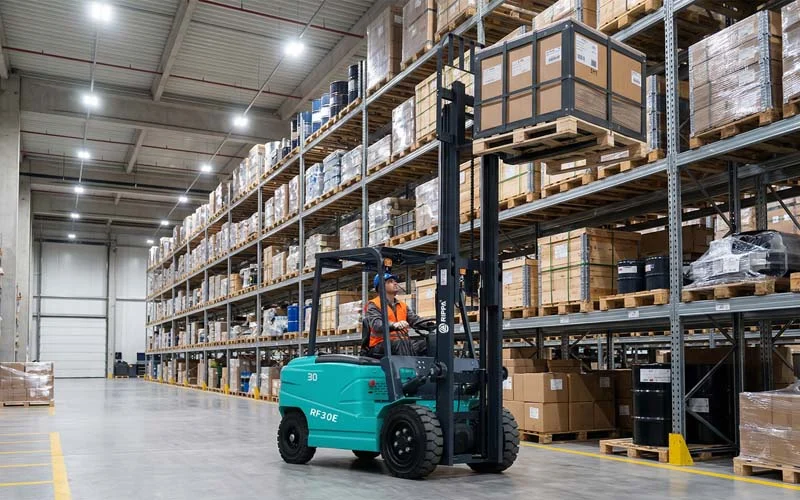
A forklift consists of several key components that allow it to lift and move heavy loads.
The forks are the two metal prongs located at the front of the machine. They slide under pallets to lift and transport goods.
The mast is the vertical structure that allows the forks to move up and down, enabling operators to lift materials to different heights.
This protective structure shields the operator from falling objects during lifting operations.
The counterweight balances the forklift when lifting heavy loads, preventing it from tipping forward.
Forklifts can be powered by:
●Electric batteries
●Diesel engines
●LPG or gasoline engines
Each power source is suitable for different working environments.
Forklifts are used in many industries due to their versatility.
Forklifts are essential for loading, unloading, and stacking goods in warehouses.
Factories use forklifts to move raw materials and finished products between production lines.
Heavy-duty forklifts help transport building materials such as bricks, steel, and concrete blocks.
Forklifts assist in moving cargo containers and large shipments in ports and logistics hubs.
There are several common types of forklifts available in the market.
Popular forklift types include
●Electric forklifts
●Diesel forklifts
●LPG forklifts
●Rough terrain forklifts
●Reach trucks
●Pallet jacks
Each type is designed for specific material handling tasks.
Using forklifts offers many advantages for businesses.
Key benefits include
●Increased efficiency in material handling
●Reduced manual labor
●Improved workplace safety
●Faster loading and unloading operations
●Ability to lift heavy loads with precision
For companies dealing with large volumes of goods, forklifts are essential for maintaining productivity.
Selecting the right forklift depends on several factors:
●Load weight and size
●Lift height requirements
●Indoor or outdoor operation
●Fuel type preference
●Budget and maintenance costs
Working with reliable manufacturers ensures long-term performance and reliable service support.
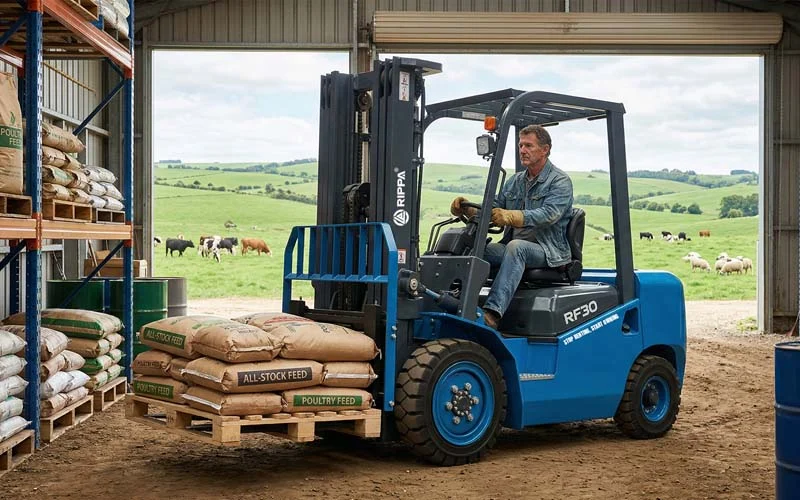
A forklift is a critical machine for modern material handling operations. By lifting and transporting heavy goods efficiently, forklifts help businesses improve productivity, safety, and workflow efficiency.
With many types and configurations available, companies can select forklifts that match their specific operational needs and industry requirements.





 Home
Home
 Products
 Email
Email
 WhatsApp