

sij 08, 2026
When evaluating a skid steer loader, key decision dimensions include intended application scenarios, operating frequency, core performance parameters, site constraints, and maintenance conditions. Different combinations of these factors lead to different outcomes, and there is no single universally optimal choice for all users or job sites.

Before considering specifications, the following fundamental requirements should be clarified:
Clearly defining these elements helps establish realistic expectations regarding machine capability and duty cycle.

Technical parameters influence how a skid steer loader performs under specific conditions. Their relevance should be understood in terms of function and trade‑offs rather than absolute values.
Higher parameter values may improve capability in certain tasks but may introduce limitations related to space, surface impact, or operating conditions.
Selection emphasis varies depending on where and how the machine will be used:
Each scenario highlights different priorities rather than a single defining specification.
Operating context and maintenance capability place practical limits on equipment suitability:
Machines selected without considering these constraints may operate outside intended conditions, increasing operational limitations.
A skid steer loader may not be suitable when:
Identifying these conditions helps avoid mismatched equipment use.
Q1: Can one skid steer loader handle all job types?
Skid steer loaders are versatile, but performance is limited by size, power, and duty cycle, which vary by application.
Q2: Do higher performance parameters always improve productivity?
Higher parameters can improve capability in specific tasks but may introduce constraints in space, ground impact, or operating conditions.
Q3: Is attachment compatibility a primary purchase factor?
Attachment requirements influence hydraulic and structural needs and should be considered as part of overall application planning.
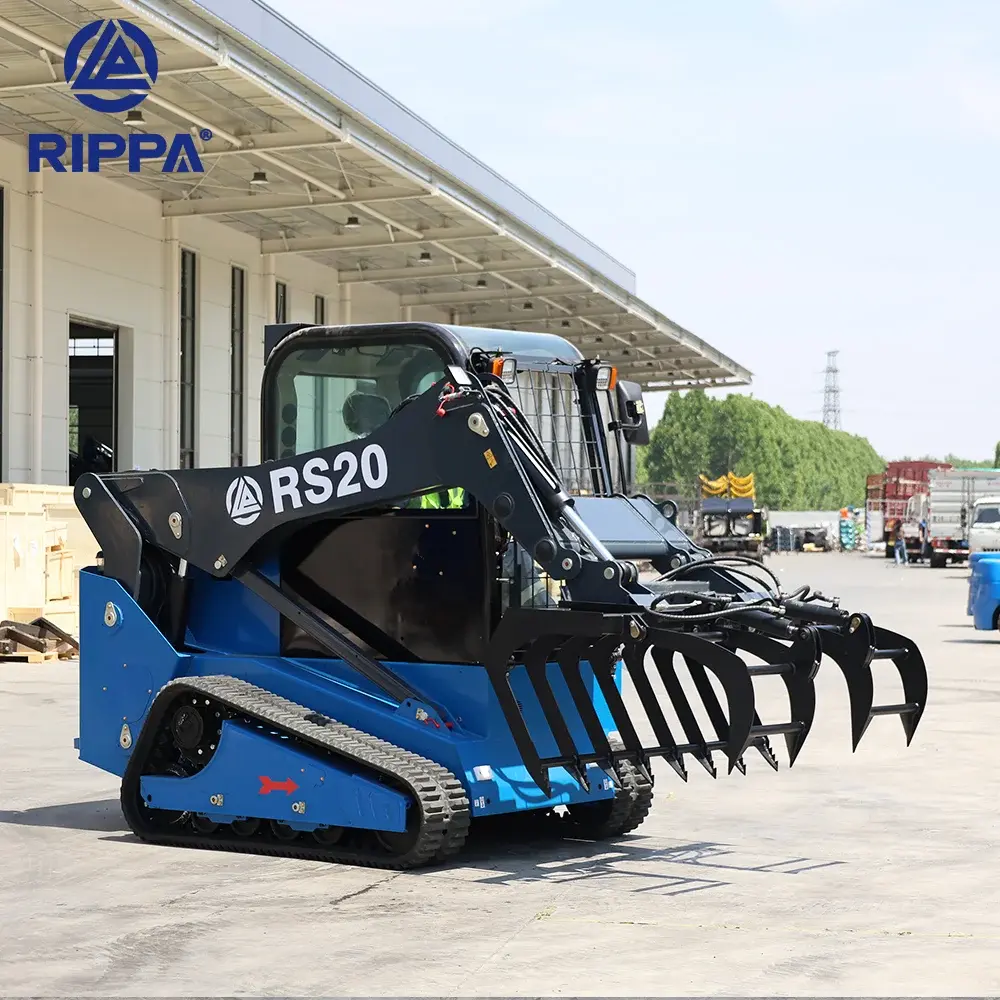
Evaluating a skid steer loader requires aligning application needs, technical parameters, and operating conditions. Because working environments and usage patterns vary, effective selection depends on reasonable matching rather than a single definitive answer.





 Home
Home
 Products
 Email
Email
 WhatsApp