
Feb 09, 2026
Material handling is one of the most common applications for skid steer loaders in construction, agriculture, logistics, and warehouse operations. Choosing the right skid steer improves efficiency, reduces downtime, and ensures safe lifting performance. For contractors, equipment dealers, and fleet buyers, understanding machine specifications is essential before making an investment.
Before selecting a skid steer loader, businesses should clearly define their working requirements. Different industries handle different materials and workloads, which directly affect machine selection.
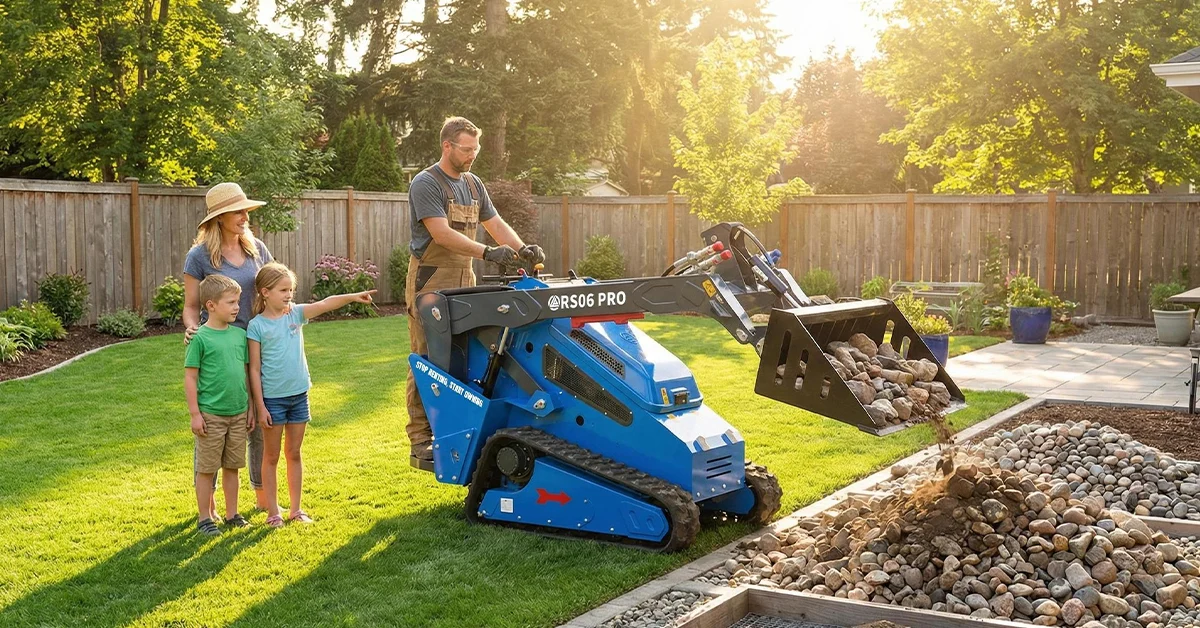
Consider whether you are moving sand, gravel, pallets, feed, hay bales, or construction debris. Loose materials require larger buckets, while packaged goods require fork attachments.
Evaluate the average load weight and required lift height. Warehouse loading and truck unloading usually need higher reach compared to ground-level farm work.
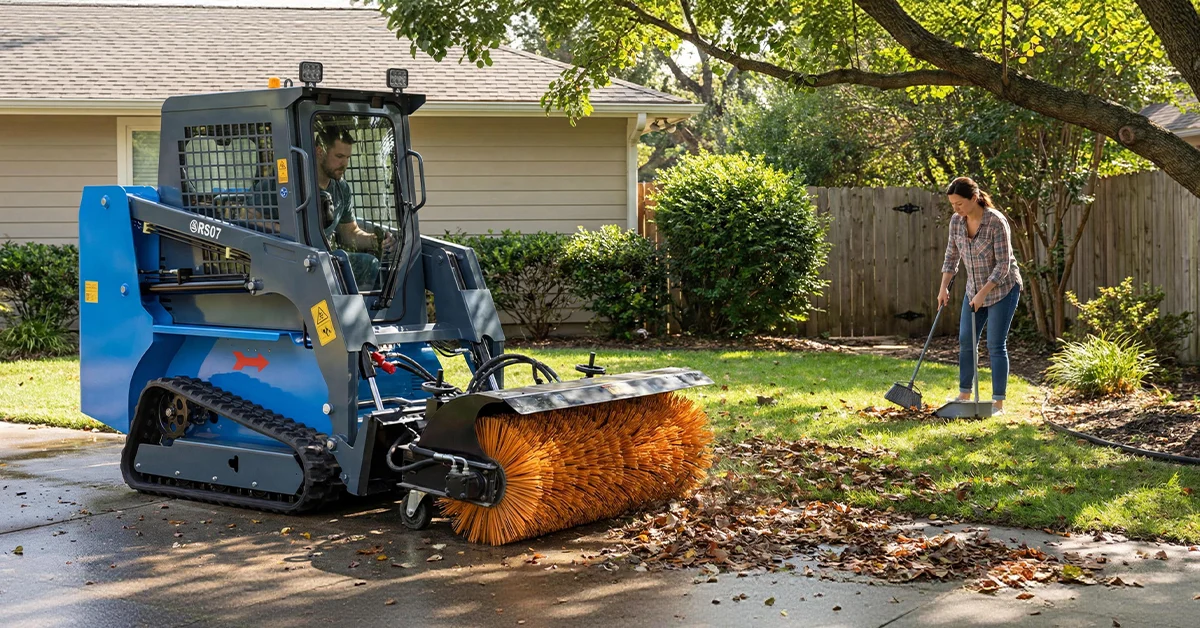
Indoor operations may require compact machines with low emissions, while outdoor construction sites may require higher power and traction.
Choosing the right rated operating capacity helps improve safety and productivity.
Best suited for light-duty handling, landscaping materials, and tight indoor environments. Easy to transport and fuel efficient.
Ideal for general construction materials, pallet handling, and agricultural work. Balanced performance and cost efficiency.
Designed for heavy-duty logistics, industrial yards, and bulk material movement. Higher hydraulic performance supports demanding attachments.
Attachments determine how efficiently a skid steer performs material handling tasks.
●Pallet forks for warehouse and logistics work.
●Grapple buckets for debris and irregular materials.
●High-capacity buckets for sand and aggregates.
●Bale spears for agricultural operations.
Machines with universal quick-attach systems allow operators to switch tools quickly, reducing downtime between tasks.
For companies running long shifts, operator comfort plays a major role in productivity. Look for ergonomic controls, clear visibility, and comfortable seating. Safety features such as backup alarms, ROPS/FOPS cabins, and emergency stop systems help reduce accident risks in busy work environments.
Material handling equipment should be evaluated beyond the initial purchase price. Consider fuel efficiency, maintenance intervals, spare parts availability, and dealer support. Machines that offer long service life and minimal downtime provide better long-term value for fleets and rental businesses.





 Home
Home
 Products
 Email
Email
 WhatsApp