
Jan 09, 2026
A skid steer is used for loading, moving, lifting, digging, cleaning, and performing a wide range of attachment-driven tasks in confined or variable work environments where high maneuverability and operational flexibility are required.A skid steer is primarily used as a multi-purpose work machine that performs material handling, ground preparation, site cleanup, and specialized operations by changing attachments, making it suitable for construction, agriculture, landscaping, municipal services, and industrial applications, especially in limited spaces.
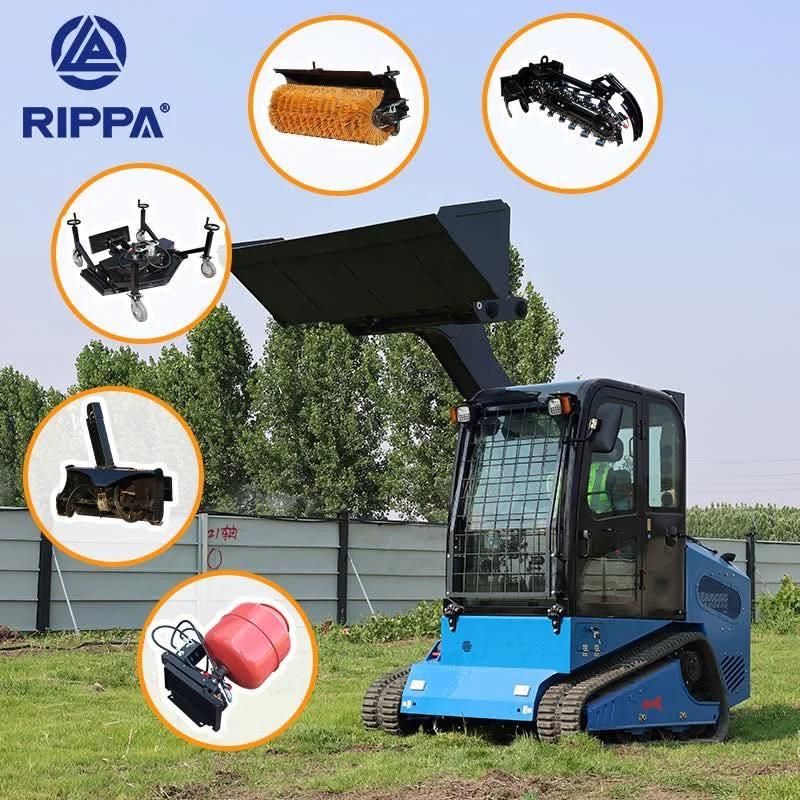
A skid steer is a compact, engine-powered loader designed to perform multiple tasks through interchangeable front-mounted attachments.
In equipment terminology, a skid steer refers to a skid-steer loader that turns by skidding its wheels or tracks across the ground instead of using a conventional steering axle.
From a usage-oriented definition, what a skid steer is used for is determined by three defining characteristics:
Because of these characteristics, a skid steer is typically used as a general-purpose, task-adaptable machine rather than a single-function piece of equipment.
A skid steer works by independently controlling the speed and direction of the wheels or tracks on each side of the machine.
This steering method allows the skid steer to operate efficiently in tight or enclosed spaces where conventional steering machines cannot maneuver.
All functional movements, including lifting, tilting, and attachment operation, are usually powered by a hydraulic system.
A skid steer usually consists of the following components, each directly influencing what it can be used for:
The coordination of these systems defines the skid steer’s functional range.
A skid steer is used in environments where tasks are diverse, space is limited, and work cycles are short.
Its usage can be clearly categorized by industry and operational purpose.
In construction, a skid steer is commonly used for:
These tasks typically involve frequent starts, stops, and direction changes within confined job sites.
In agricultural settings, a skid steer is used for routine material-handling and maintenance tasks, including:
The skid steer’s compact size allows it to work inside farm buildings and animal housing structures.
In landscaping and land management, a skid steer is used for:
These applications benefit from precise control and easy attachment changes.
Municipal agencies use skid steers for:
In public service environments, skid steers are often used because one machine can cover multiple seasonal tasks.
In industrial and warehouse settings, a skid steer is used for:
The ability to operate in enclosed or partially enclosed spaces makes skid steers suitable for industrial facilities.

A skid steer can be used to perform the following categories of work:
Typical operational ranges that define skid steer usage include:
These figures indicate that skid steers are optimized for light to medium-duty, short-cycle work.
A skid steer is not designed or used for the following tasks:
Its design limits its use to supportive, auxiliary, or multi-purpose roles rather than primary heavy-duty construction work.
No.
A skid steer is used with a wide variety of attachments, including forks, augers, sweepers, trenchers, breakers, snow blades, and grapples.
Yes.
Skid steers are commonly used indoors due to their compact dimensions, provided ventilation, surface strength, and safety requirements are met.
Usage is determined by attachment type, rated capacity, hydraulic output, ground conditions, and workspace size.
Skid steers are typically used for support and auxiliary tasks rather than primary heavy-duty construction operations.
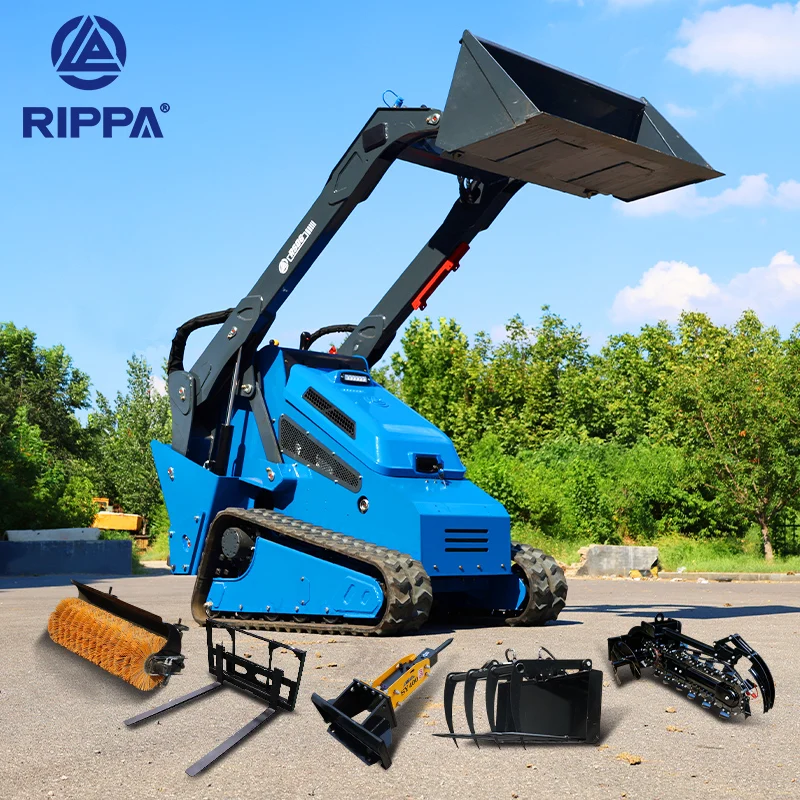
A skid steer is used for versatile, attachment-driven tasks that require maneuverability and efficiency in confined or changing environments.
Its applications span multiple industries, while its use remains clearly defined by size, capacity, and operational design.





 Accueil
 Produits
 Courriel
 WhatsApp