
tammi 13, 2026
When choosing construction or material-handling equipment, many buyers ask the same question: what is the difference between a skid loader and a loader?
Although both machines are designed to move materials efficiently, they differ significantly in structure, operation, applications, and cost. Understanding these differences helps contractors, farmers, and equipment buyers select the right machine for their job.
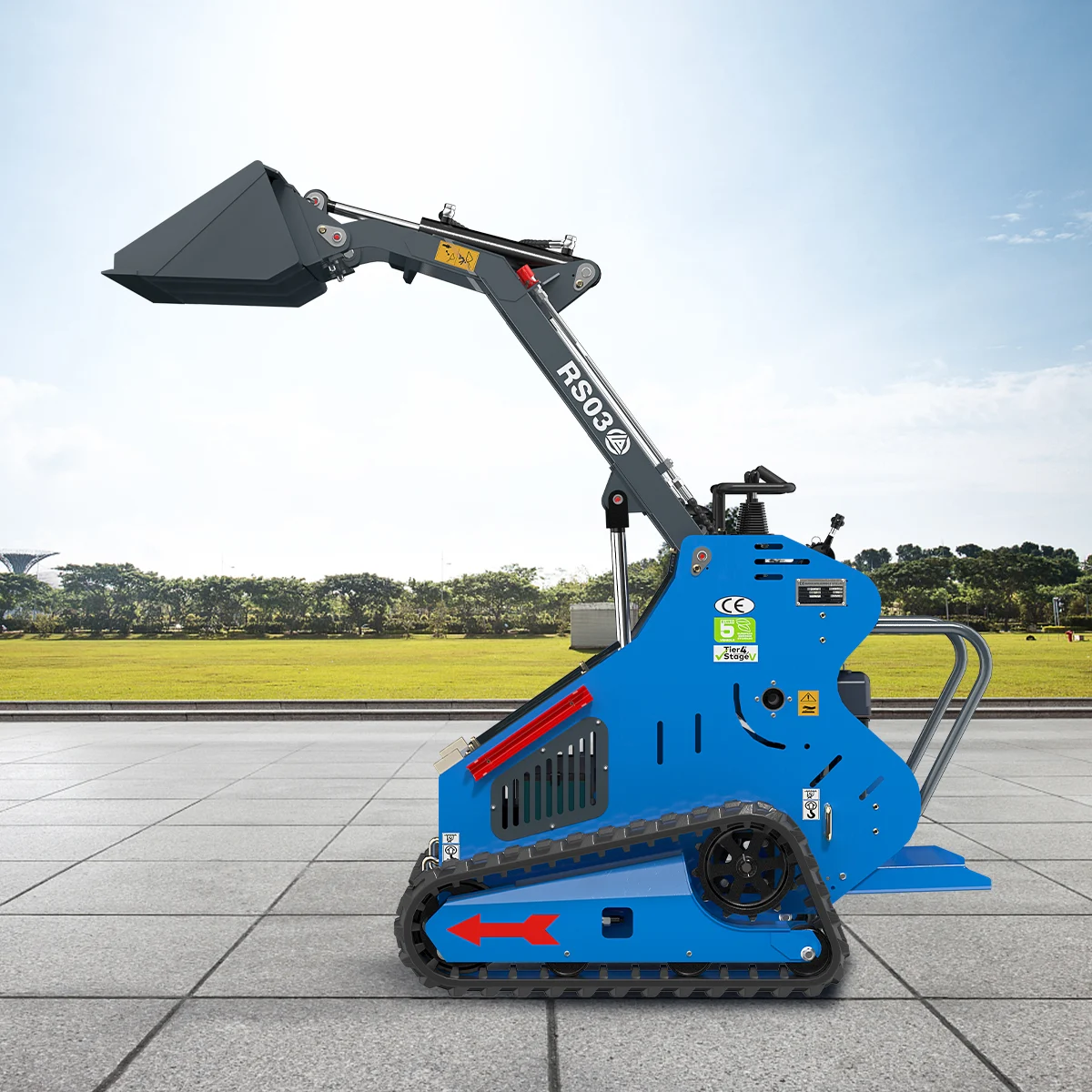
A skid loader, more commonly called a liukupyöräkuormaaja, is a compact, highly maneuverable machine designed for work in tight spaces.
●Uses skid-steering, meaning the left and right wheels move independently
●Compact size with a short wheelbase
●Typically equipped with a wide range of attachments
●Available in wheeled or tracked versions
●Ideal for confined or urban job sites
●Landscaping and hardscaping
●Construction and demolition
●Snow removal
●Agriculture and livestock operations
●Indoor or narrow-area material handling
Skid loaders are known for their versatility and ability to turn within their own footprint.
A loader usually refers to a wheel loader or front-end loader, which is larger and designed for high-volume material handling.
●Uses articulated or steering-axle steering
●Larger operating weight and bucket capacity
●Designed for stability and efficiency on open job sites
●Primarily focused on loading and transport, not tight maneuvering
●Quarry and mining operations
●Road construction
●Aggregate and sand loading
●Large-scale agriculture
●Ports and industrial yards
Loaders excel in moving heavy materials over short distances efficiently.
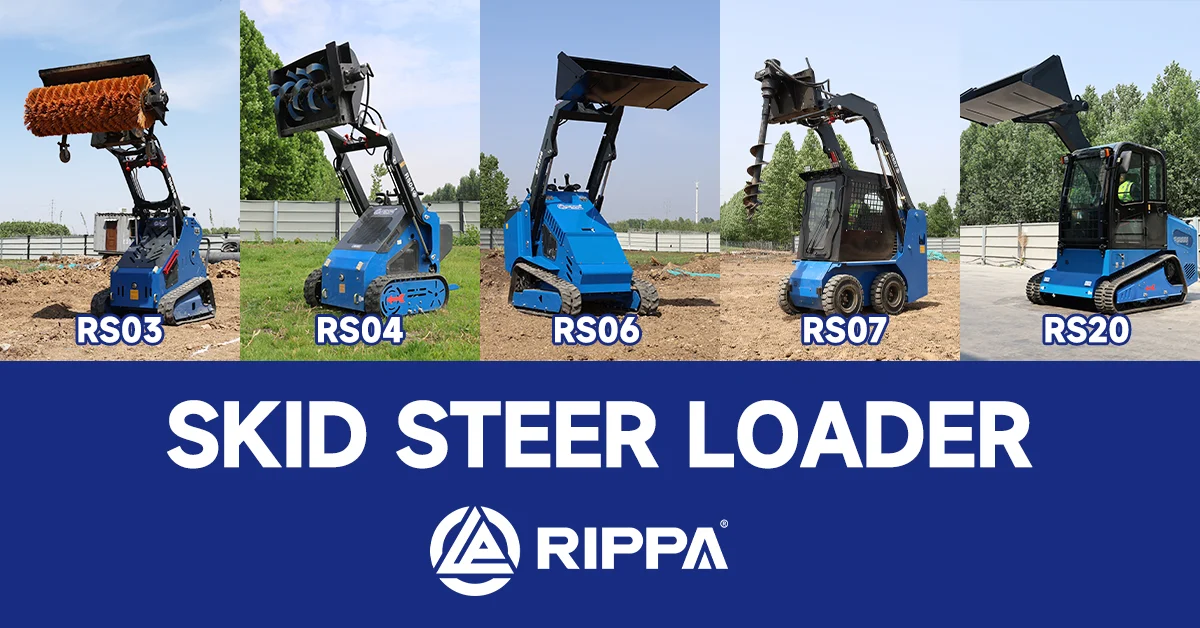
●Skid loader: Compact, highly maneuverable, ideal for tight spaces
●Loader: Larger, requires more operating space
●Skid loader: Skid-steer system (wheels slide to turn)
●Loader: Steering wheel or articulated steering
●Skid loader: Lower rated operating capacity
●Loader: Higher payload and bucket volume
●Skid loader: Supports dozens of attachments (augers, trenchers, forks, grapples)
●Loader: Primarily bucket-based, fewer attachment options
●Skid loader: Lower purchase price, lower fuel consumption
●Loader: Higher initial cost, higher operating efficiency for large volumes
Choose a skid loader if:
●You work in confined or residential areas
●You need a multi-purpose machine
●Your tasks require frequent attachment changes
●Budget and transport flexibility matter
Choose a loader if:
●You handle large volumes of material daily
●Your job site has ample space
●Productivity and payload capacity are priorities
●You operate in mining, roadwork, or large farms
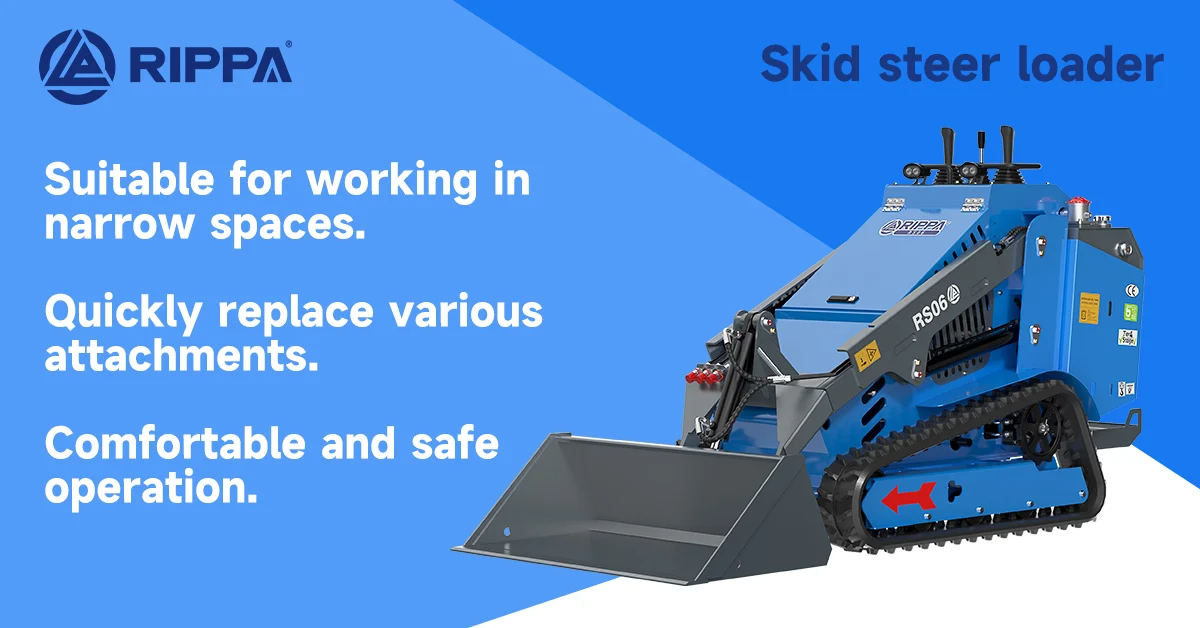
In simple terms, a skid loader is a compact, versatile machine for tight spaces, while a loader is a larger, more powerful machine designed for high-volume material handling.
Both machines are essential in construction and agriculture, but they serve different operational needs.
Understanding the difference between a skid loader and a loader ensures better equipment investment decisions, improved efficiency, and lower operating costs.





 Etusivu
 Tuotteet
 Sähköposti
 WhatsApp