
maalis 14, 2026
One of the most important specifications when selecting a forklift is its weight capacity. This determines how much load the forklift can safely lift and transport. Understanding forklift capacity helps businesses avoid accidents, equipment damage, and costly downtime.
Whether used in warehouses, factories, or construction sites, forklifts must always operate within their designed limits.
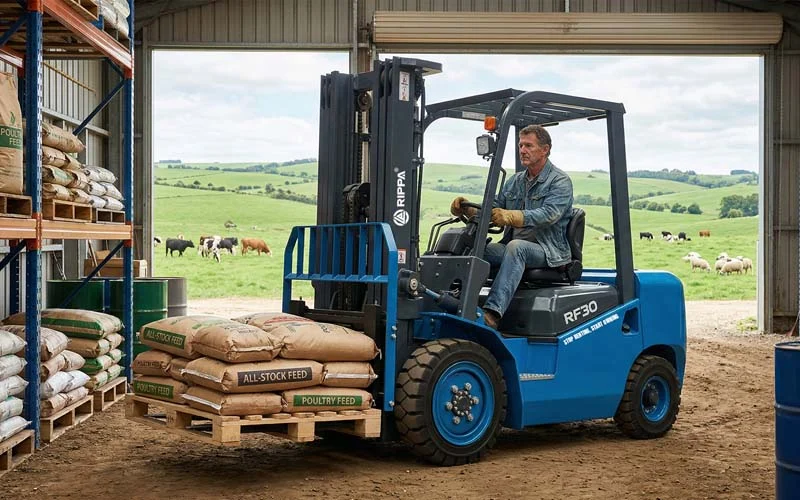
Forklift weight capacity refers to the maximum load a forklift can safely lift at a specified load center.
For example, a forklift with a 3,000 kg capacity means it can safely lift that weight when the load is properly balanced and positioned according to the manufacturer’s specifications.
However, actual lifting capacity can change depending on several factors.
The load center is the distance between the forks and the center of gravity of the load.
If the load center moves farther away from the mast, the forklift’s lifting capacity decreases.
Lifting loads to greater heights may reduce safe lifting capacity. Forklifts often have lower capacity limits at maximum lift height.
Adding attachments such as clamps or side shifters can reduce forklift capacity because they increase the weight and move the load center forward.
Irregular loads can affect balance and increase the risk of tipping. Operators must always ensure loads are properly secured.
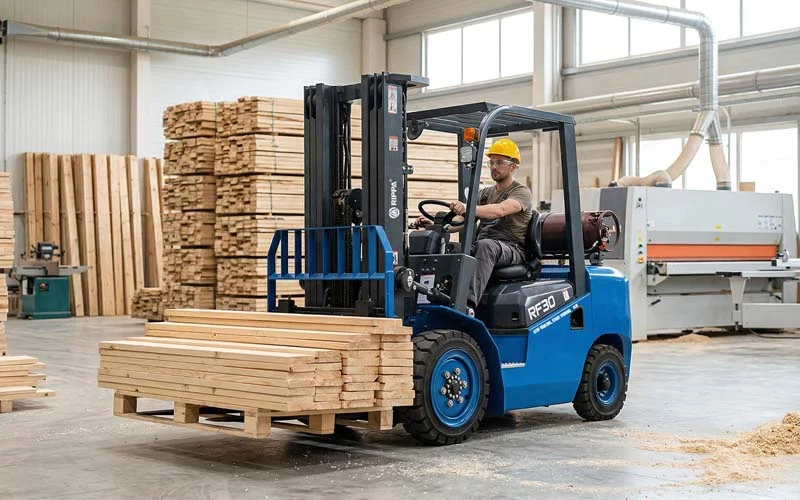
Forklifts are available in a wide variety of capacities depending on application requirements.
Typical ranges include:
Small warehouse forklifts
1 – 3 tons
Medium industrial forklifts
3 – 5 tons
Heavy-duty forklifts
5 – 10 tons or more
Selecting the correct capacity helps improve both safety and productivity.
Businesses should consider several factors before purchasing a forklift:
Evaluate the average and maximum weight of materials that need to be moved.
It may be beneficial to select a forklift with slightly higher capacity to handle future operational growth.
Warehouse space, aisle width, and stacking height will influence the type and capacity of forklift required.
Choosing a trusted equipment manufacturer ensures forklifts meet safety standards and provide consistent performance.
Companies such as RIPPA manufacture forklifts designed for durability, stable lifting capacity, and efficient operation in demanding industrial environments.
Operating within safe capacity limits is essential for preventing workplace accidents.
Important safety practices include:
Never exceed the rated lifting capacity
Keep loads balanced and secure
Maintain proper fork positioning
Train operators regularly
Perform routine equipment inspections
Following these guidelines ensures both worker safety and equipment longevity.
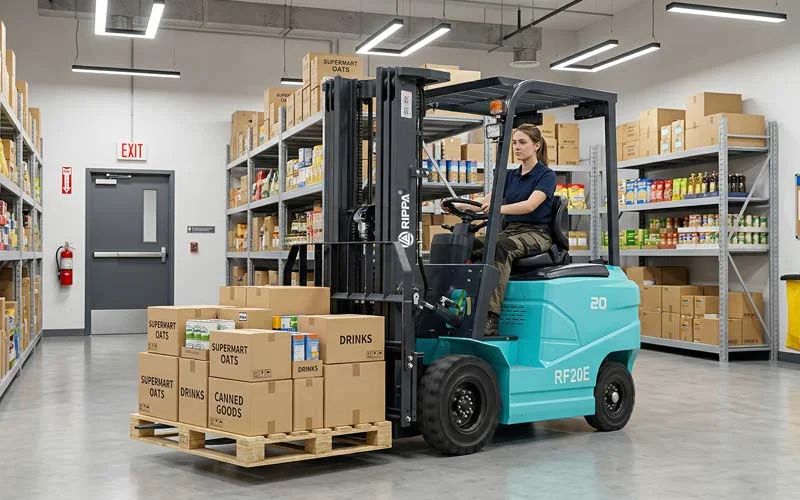
Understanding forklift weight capacity is essential for safe and efficient material handling. Capacity ratings depend on load center distance, lift height, attachments, and load stability.
By selecting the correct forklift and working with reliable manufacturers like RIPPA, businesses can improve operational efficiency while maintaining high safety standards.
As logistics and construction industries continue to expand, forklifts will remain critical equipment for moving heavy materials efficiently and safely.





 Etusivu
 Tuotteet
 Sähköposti
 WhatsApp