
maalis 05, 2026
[newsletter_form]In the construction and landscaping industries, efficiency and versatility are essential for staying competitive. Among the most widely used compact construction machines today are Compact Track Loaders (CTLs) and Skid-Steer Loaders. These machines are designed to handle a wide range of tasks in tight spaces while delivering strong performance and reliability.
When contractors, farmers, and construction companies search for compact track and skid-steer loaders, they are often looking for equipment that can maximize productivity while minimizing operational costs. Understanding the differences, applications, and benefits of these machines can help businesses choose the right equipment for their operations.
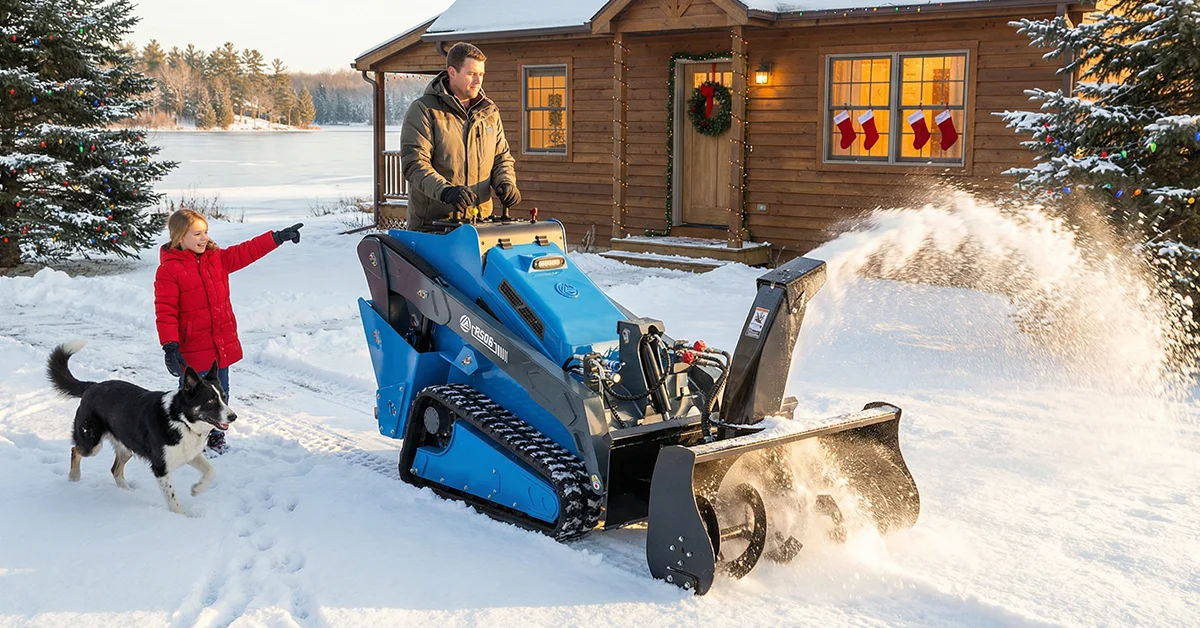
Skid-steer loaders are compact, engine-powered machines with lift arms used to attach a wide variety of tools or attachments. They are named after their steering system—each side of the machine moves independently, allowing the loader to “skid” or pivot within its own footprint.
Compact track loaders, on the other hand, operate similarly but replace wheels with rubber tracks. This design provides better traction, lower ground pressure, and improved performance on soft or uneven terrain.
Both machines are widely used across industries including:
●Construction
●Landscaping
●Agriculture
●Snow removal
●Material handling
●Road maintenance
Because of their compact design and ability to use numerous attachments, these loaders are considered essential equipment for modern job sites.
Although compact track loaders and skid-steer loaders share many similarities, several important differences influence which machine is best for specific working conditions.
Compact track loaders are designed for superior traction. The rubber track system distributes weight more evenly, reducing ground pressure. This makes them ideal for:
●Muddy job sites
●Sandy environments
●Snow-covered surfaces
●Soft soil or landscaping areas
Skid-steer loaders with wheels perform best on hard and stable surfaces such as concrete, asphalt, and compacted gravel.
Wheel-based skid-steer loaders typically have lower maintenance costs. Tires are easier and cheaper to replace than track systems.
Compact track loaders often have higher maintenance costs due to:
●Track replacement
●Roller and undercarriage maintenance
●Increased mechanical complexity
However, for projects requiring traction and stability, the productivity benefits of CTLs can outweigh the additional cost.
Skid-steer loaders generally move faster than compact track loaders and are excellent for jobs requiring frequent travel between locations.
They are commonly used for:
●Warehouse material handling
●Urban construction
●Demolition cleanup
●Snow clearing in parking lots
Compact track loaders move slightly slower but provide better stability and lifting performance on rough terrain.
Rubber tracks cause less damage to soft ground surfaces, which is particularly important for landscaping and agricultural work.
Skid-steer loaders can sometimes leave tire marks or create ruts on soft terrain.
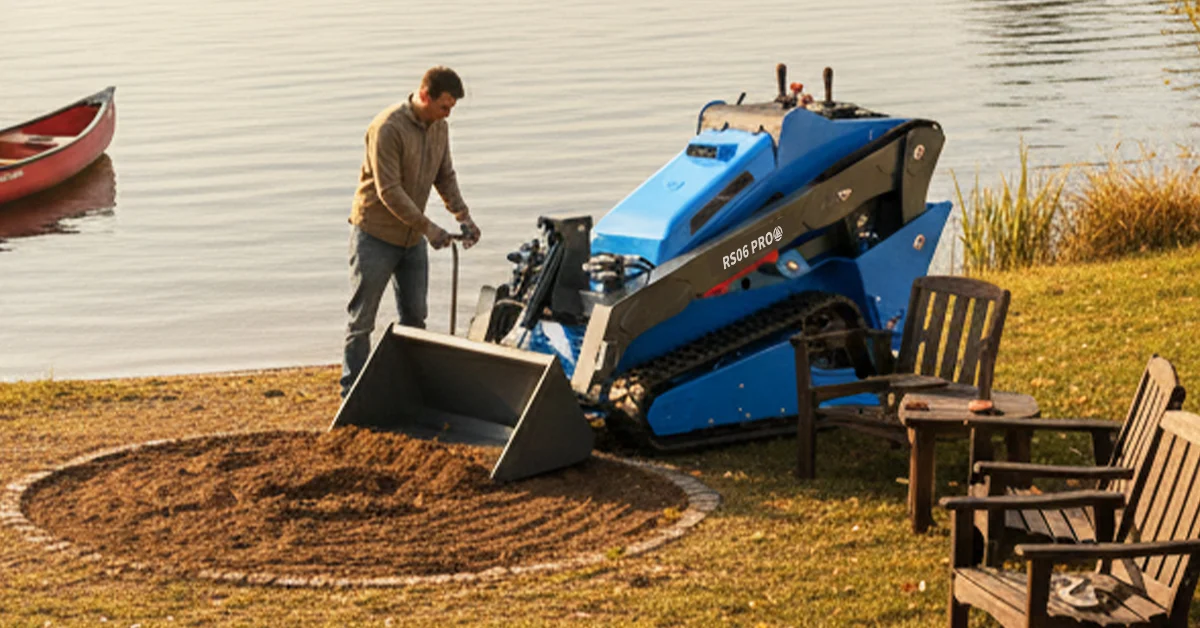
One of the biggest advantages of compact track and skid-steer loaders is their ability to use interchangeable attachments. With the right tools, a single machine can perform dozens of tasks.
Popular attachments include:
●Buckets for digging and loading
●Augers for drilling holes
●Trenchers for underground utilities
●Hydraulic breakers for demolition
●Pallet forks for material handling
●Snow blades and blowers
This attachment versatility allows businesses to increase the utilization rate of their equipment and reduce the need for multiple specialized machines.
Compact track and skid-steer loaders are used in a wide variety of industries due to their flexibility and efficiency.
Contractors use these machines for excavation, material transport, site cleanup, and grading. Their compact size allows them to operate in confined urban environments where larger equipment cannot fit.
Landscaping companies depend on compact loaders for soil preparation, tree planting, trenching, and grading. Compact track loaders are particularly useful in soft soil environments.
Farmers use skid-steer loaders for tasks such as:
●Moving feed and hay
●Cleaning barns
●Handling pallets
●Land preparation
Local governments and contractors use these machines for snow removal, road maintenance, and public infrastructure projects.
Selecting between a compact track loader and a skid-steer loader depends on several factors.
Consider the following when making your decision:
Terrain conditions – Soft or muddy ground favors track loaders.
Budget – Skid-steer loaders typically have lower purchase and maintenance costs.
Job type – Frequent lifting and rough terrain work benefit from CTLs.
Travel speed requirements – Skid steers are faster on solid surfaces.
Attachment needs – Both machines support numerous tools.
For many companies, owning both machines can provide the greatest operational flexibility.
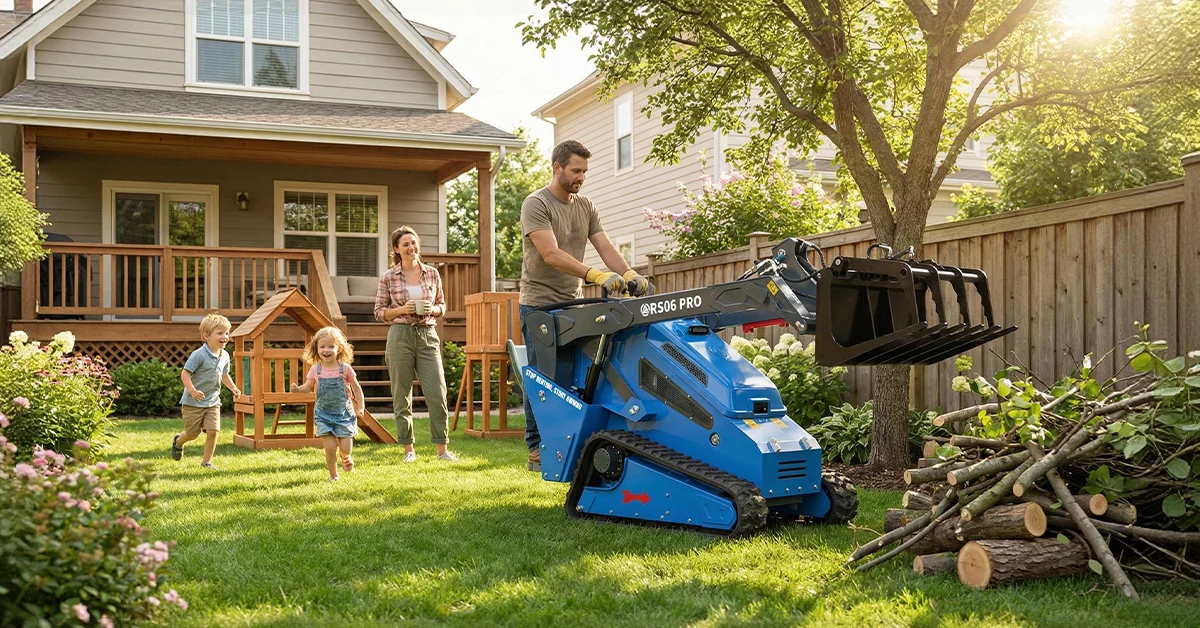
As urbanization and infrastructure development continue worldwide, the demand for compact construction equipment is steadily increasing. Contractors are increasingly seeking compact track and skid-steer loaders that offer:
●High efficiency
●Fuel economy
●Multi-function capability
●Easy maintenance
●Competitive pricing
Manufacturers have responded by developing machines with improved hydraulic systems, enhanced operator comfort, and advanced safety features.
Compact track loaders and skid-steer loaders have become essential machines across construction, agriculture, and landscaping industries. Their compact design, versatility, and ability to operate in tight spaces make them valuable assets for businesses of all sizes.
By understanding the differences between compact track and skid-steer loaders, companies can choose equipment that best suits their working conditions and operational goals. Whether operating on rugged terrain or hard urban surfaces, the right loader can significantly improve productivity and reduce long-term costs.





 Etusivu
 Tuotteet
 Sähköposti
 WhatsApp