
mai 07, 2026
Choosing between a wheel loader and a bulldozer can be difficult for many contractors, construction companies, and equipment operators. Both machines are widely used in construction, mining, roadwork, agriculture, and material handling projects, but they are designed for different tasks.
A bulldozer is mainly built for pushing, leveling, and clearing land, while a wheel loader is designed for loading, lifting, carrying, and transporting materials across a job site. Understanding the differences between these two heavy equipment machines can help improve productivity, reduce operating costs, and ensure the right equipment is selected for the job.
This guide explains what wheel loaders and bulldozers are, their main applications, key differences, advantages, and how to choose the right machine for your project.
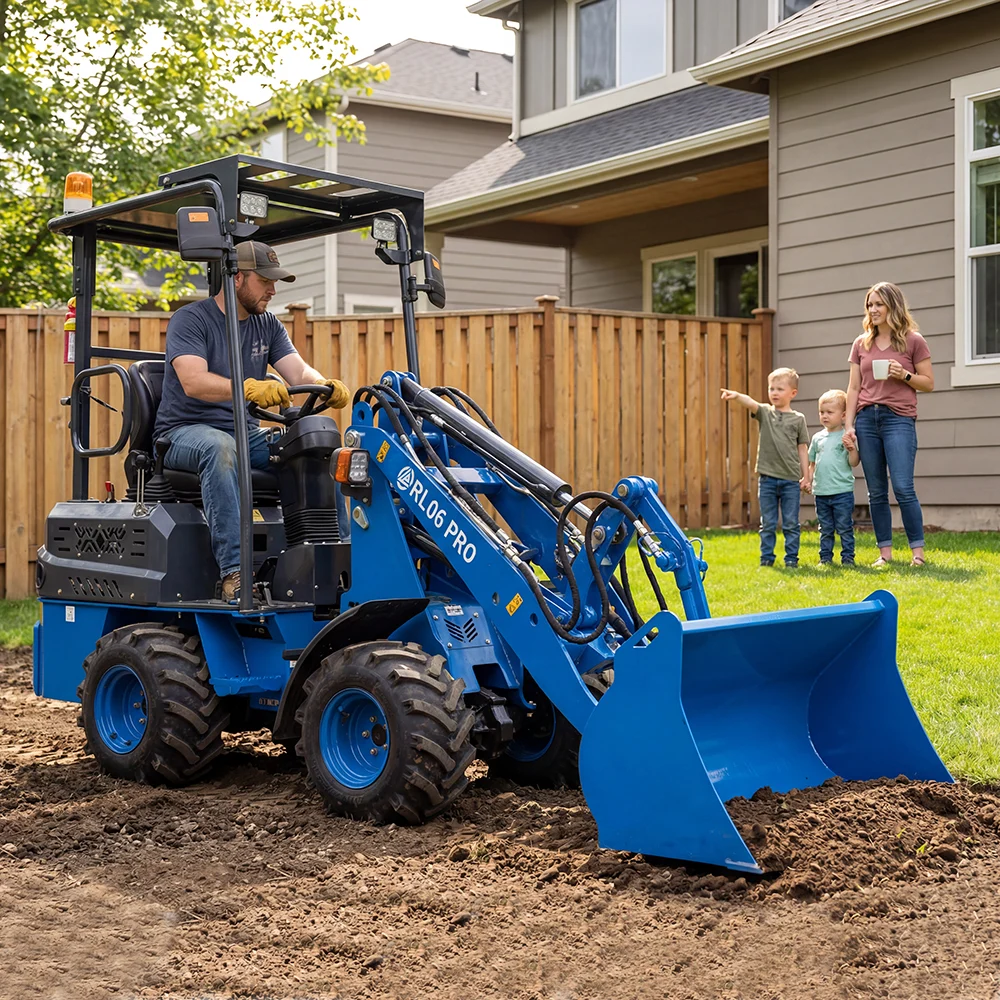
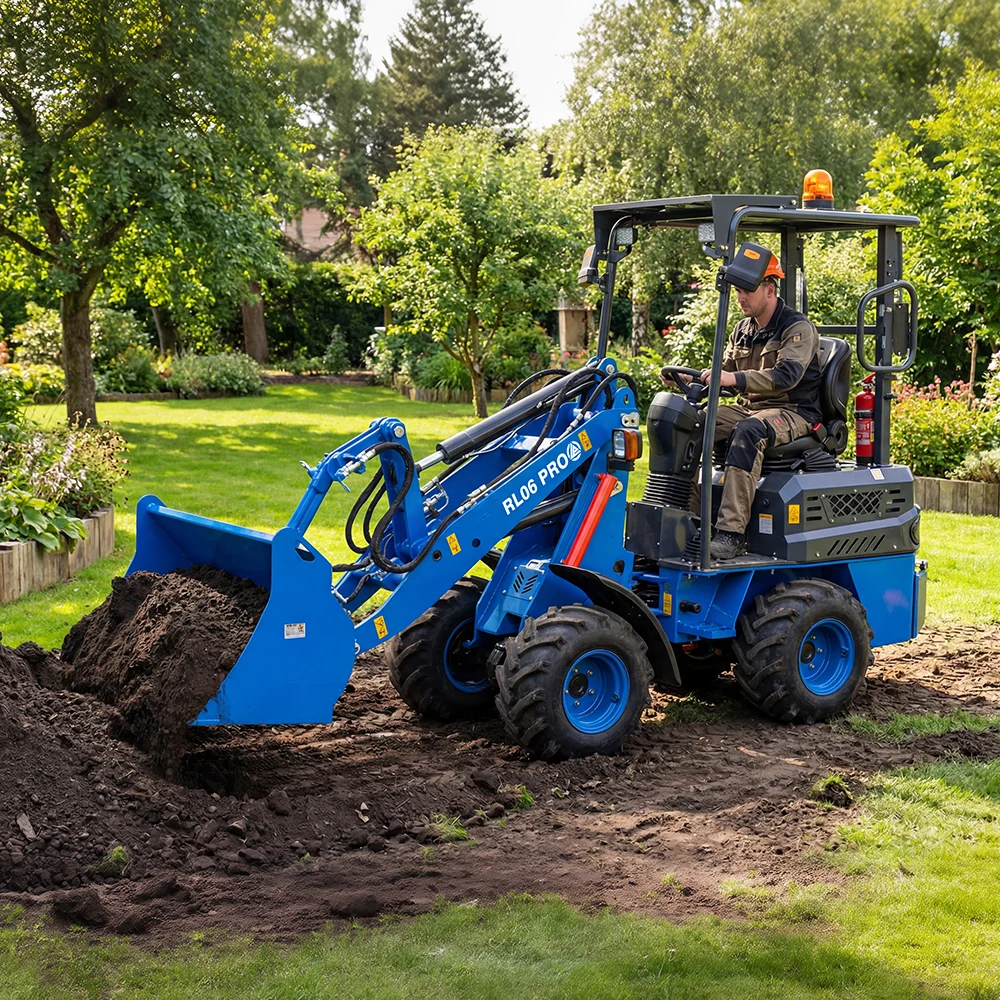
A wheel loader is a heavy construction machine equipped with a large front-mounted bucket used to scoop, lift, carry, and load materials such as gravel, sand, soil, rocks, snow, and debris.
Wheel loaders are also known as:
Unlike tracked machines, wheel loaders operate on large rubber tires, allowing them to travel faster and move more efficiently across construction sites.
Modern wheel loaders use hydraulic systems to raise, lower, tilt, and dump the bucket with precision. Because of their versatility and efficiency, wheel loaders are commonly used in construction, mining, agriculture, landscaping, waste management, and quarry operations.
Wheel loaders are ideal for:
A bulldozer is a powerful tracked machine designed primarily for pushing, grading, leveling, and clearing large amounts of soil or debris.
Bulldozers use a heavy steel blade mounted at the front of the machine to move material along the ground. Most bulldozers operate on tracks, giving them superior traction and stability on rough or uneven terrain.
Because of their strength and ground-gripping capability, bulldozers are widely used in land clearing, road construction, mining, excavation, and demolition projects.
Bulldozers are commonly used for:
Although wheel loaders and bulldozers are both essential heavy equipment machines, they serve different purposes.
The biggest difference between a wheel loader and a bulldozer is the front attachment.
A wheel loader uses a large hydraulic bucket to scoop, carry, and dump material. The bucket allows the machine to transport materials from one area to another quickly.
A bulldozer uses a heavy steel blade designed to push soil, rocks, and debris across the ground.
Wheel loaders are mainly used for loading and transporting materials.
Bulldozers are designed for pushing, leveling, and clearing land.
If a project requires moving materials into trucks or transporting aggregates across a site, a wheel loader is usually the better choice.
If the project involves clearing terrain, leveling surfaces, or pushing heavy material over short distances, a bulldozer is more effective.
Wheel loaders operate on rubber tires, which provide:
Bulldozers operate on tracks, which provide:
Tracked bulldozers can operate effectively in mud, rocky conditions, and uneven surfaces where wheel loaders may struggle.
Bulldozers are better suited for rough and irregular terrain because their tracks distribute weight evenly and improve traction.
Wheel loaders perform best on stable, relatively level surfaces where they can move efficiently and safely.
Wheel loaders generally travel faster than bulldozers because of their wheeled design.
This makes wheel loaders more efficient for transporting material across larger job sites.
Wheel loaders can lift and dump material into trucks, hoppers, and stockpiles.
Bulldozers cannot lift materials because they are designed primarily for pushing operations.
Wheel loaders offer several benefits for construction and material handling projects.
Rubber tires allow wheel loaders to travel quickly around a worksite.
Wheel loaders can use multiple attachments, including:
Wheel loaders are highly effective for loading trucks and transporting materials.
Modern wheel loaders often include:
Bulldozers are known for their strength and terrain capability.
Tracked systems provide outstanding grip on difficult terrain.
Bulldozers can move large amounts of earth efficiently.
Tracks help improve stability on slopes and rough surfaces.
Bulldozers are ideal for clearing vegetation, debris, and uneven terrain.
Wheel loaders are commonly used to:
Large wheel loaders move:
Farmers use wheel loaders for:
Wheel loaders equipped with snow buckets are effective for clearing roads, parking lots, and airports.
Wheel loaders are widely used in recycling centers and landfills for material handling operations.
Choosing the right machine depends on the type of project and work conditions.
Safe wheel loader operation is essential on every job site.
Operators should always:
Proper maintenance and operator training help reduce accidents and equipment damage.
Popular wheel loader brands include:
These manufacturers produce wheel loaders in compact, medium, and large sizes for different industries.
Wheel loaders and bulldozers are both important heavy equipment machines, but they are designed for different tasks.
Wheel loaders are best for lifting, loading, carrying, and transporting materials quickly and efficiently across a job site.
Bulldozers are better suited for pushing, grading, clearing land, and handling rough terrain.
Understanding the differences between these machines can help contractors and equipment operators improve productivity, reduce downtime, and select the right equipment for construction, mining, agriculture, and industrial projects.
For most material handling and loading operations, wheel loaders remain one of the most versatile and productive machines in the heavy equipment industry.


 Kodu
Kodu
 Tooted
 E-post
 WhatsApp