
jaan. 26, 2026
Skid steers—also known as liugraudteelülituslaadurid—are among the most versatile compact machines used in construction, agriculture, landscaping, and material handling. Thanks to their compact size, strong lifting capacity, and wide attachment compatibility, skid steers have become essential equipment for contractors, dealers, and fleet buyers worldwide.
This guide covers everything you need to know about skid steers, including how they work, key specifications, common applications, and how to choose the right model for your business.
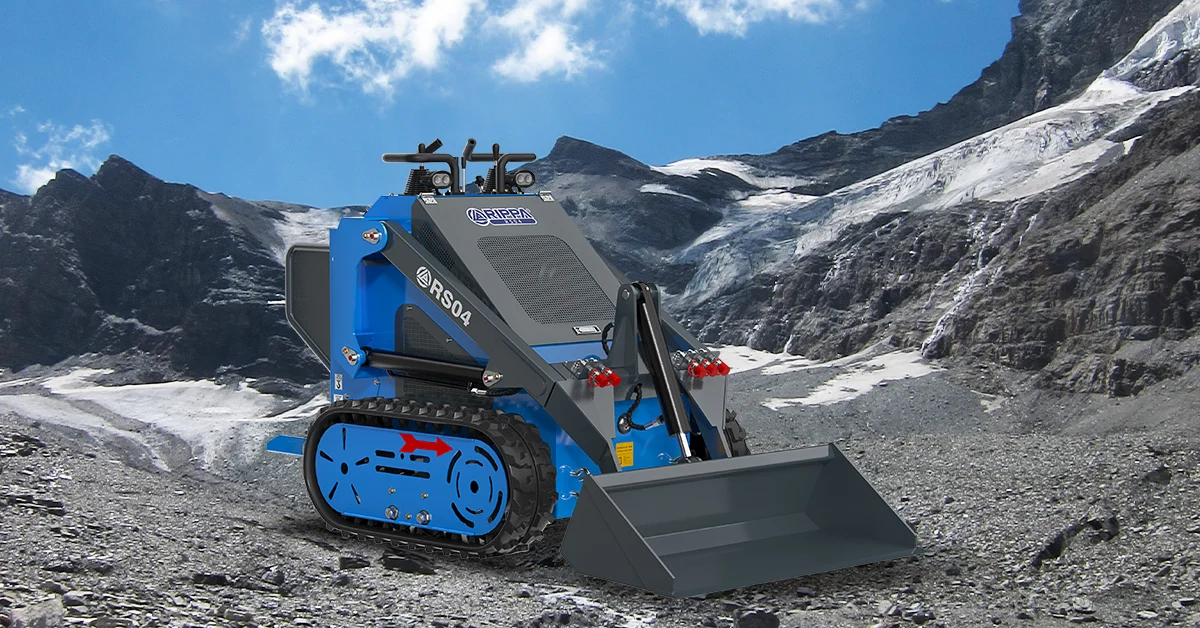
A libisev laadur is a compact, engine-powered machine with lift arms used to attach a wide variety of tools and attachments. Its name comes from the unique steering method: the wheels (or tracks) on each side move independently, allowing the machine to “skid” while turning.
This zero-radius turning capability makes skid steers ideal for working in tight or confined job sites.
Skid steers use a differential steering system, where left and right wheels rotate at different speeds. Operators control the machine using joysticks or hand/foot controls, making operation intuitive and efficient after basic training.
Most modern skid steers feature:
●Hydraulic quick-attach systems
●Pilot or electro-hydraulic controls
●Enclosed ROPS/FOPS cabins for safety
●Auxiliary hydraulics for attachments
While often compared, skid steers and compact track loaders serve slightly different purposes.
●Wheels instead of tracks
●Lower purchase and maintenance cost
●Faster travel speed
●Best for hard, flat surfaces
●Rubber tracks
●Better traction on soft or muddy ground
●Higher operating cost
●Improved stability on slopes
For businesses focused on urban construction or concrete work, skid steers remain the more cost-effective choice.
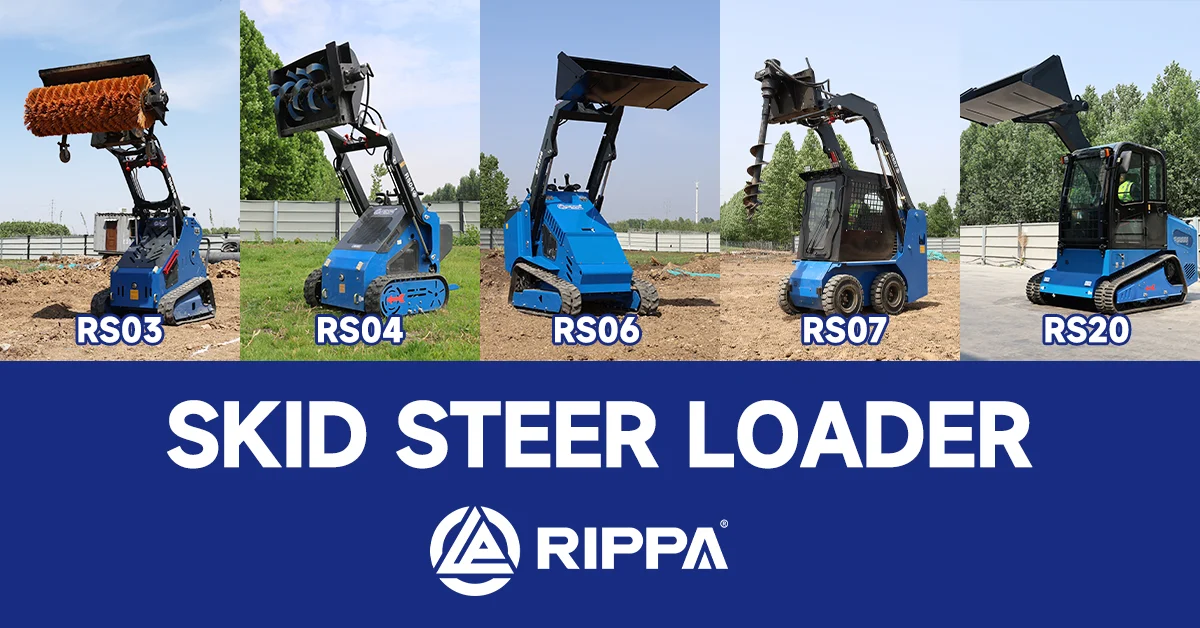
Skid steers are widely used across industries due to their adaptability.
●Excavation and backfilling
●Site cleanup
●Pallet and material handling
●Feeding livestock
●Barn cleaning
●Bale handling
●Grading and leveling
●Trenching
●Soil and mulch transport
●Lume eemaldamine
●Road maintenance
●Multi-attachment operations
One of the biggest advantages of skid steers is attachment versatility. Common attachments include:
●Buckets
●Augers
●Pallet forks
●Hydraulic breakers
●Snow blowers
●Grapples
A single skid steer loader can replace multiple machines when equipped with the right tools.
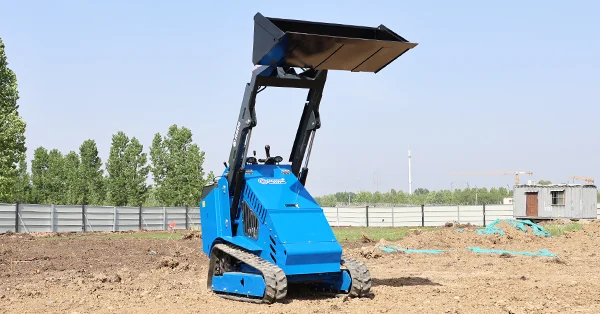
When choosing a skid steer loader, B2B buyers should focus on:
Defines how much weight the machine can safely lift.
Higher horsepower supports demanding attachments and heavy-duty use.
Standard vs high-flow hydraulics determine attachment compatibility.
●Radial lift: better mid-range digging performance
●Vertical lift: better for truck loading and stacking
For dealers, contractors, and fleet managers, selecting the right skid steer loader depends on:
●Job site conditions
●Required attachments
●Daily operating hours
●Budget and ROI expectations
Mini skid steers suit light-duty and indoor tasks, while medium and large-frame skid steers handle demanding construction and industrial applications.
For B2B buyers, skid steers offer:
●High utilization rates
●Strong resale value
●Low downtime
●Multi-industry demand
This makes them ideal for equipment dealers, rental companies, and contractors seeking flexible and scalable machinery.
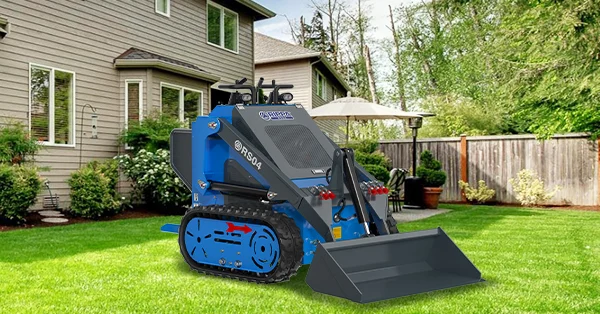
Skid steers are compact, powerful, and highly adaptable machines that deliver excellent value across multiple industries. Whether you are purchasing for construction projects, agricultural work, or resale, understanding skid steer specifications and applications is key to making a smart investment.
By choosing the right configuration and attachments, a skid steer loader can become one of the most profitable machines in your equipment lineup.





 Kodu
Kodu
 Tooted
 E-post
 WhatsApp