Skid steer weight is one of the most important factors to understand before buying or renting a machine. The weight of a skid steer affects transportation, lifting stability, ground pressure, operating capacity, and jobsite suitability.
Whether you need a compact loader for residential landscaping or a larger machine for heavy construction, this skid steer weight guide explains the differences between small, medium, and large models.

Why Skid Steer Weight Matters
Machine weight directly impacts performance and logistics.
Stability
Heavier skid steers often provide better balance when lifting heavy loads or using demanding attachments.
Transport
You need the correct trailer and towing vehicle based on machine weight.
Surface Protection
Lighter machines are better for lawns, finished surfaces, and sensitive ground.
Productivity
Heavier machines usually offer greater hydraulic power and lifting strength.
Small Skid Steer Weight Range
Small skid steers are commonly used for landscaping, residential construction, and indoor projects.
Typical benefits include:
- Easy transport
- Menor consumo de combustible
- Better maneuverability
- Reduced surface damage
These machines are ideal for homeowners, landscapers, and light contractors.
Medium Skid Steer Weight Range
Medium-size skid steers are popular because they balance power and compact dimensions.
Common uses include:
- General construction
- Material loading
- Farm operations
- Utility installation
- Property maintenance
Many contractors consider this category the best all-around choice.
Large Skid Steer Weight Range
Large skid steer loaders are designed for demanding commercial work.
Best uses include:
- Heavy pallet handling
- Demolition support
- Roadwork projects
- Large-scale earthmoving
- High-volume loading tasks
These machines usually provide stronger lift capacity, more horsepower, and larger attachment options.
Wheeled vs Tracked Weight Differences
Tracked skid steers often weigh more than wheeled versions because of the undercarriage system. However, they provide better flotation and traction on soft ground.
Choose wheels for speed and paved surfaces. Choose tracks for mud, snow, and uneven terrain.
How to Choose the Right Weight Class
Ask these questions:
What Material Will You Move?
Heavy materials require a heavier and stronger machine.
Where Will You Work?
Tight urban spaces may need smaller units, while open commercial sites can handle larger loaders.
How Will You Transport It?
Always include trailer weight, attachment weight, and towing limits.
What Attachments Will You Use?
Hydraulic breakers, trenchers, and forestry tools may require larger skid steers.
Popular Choice for Buyers
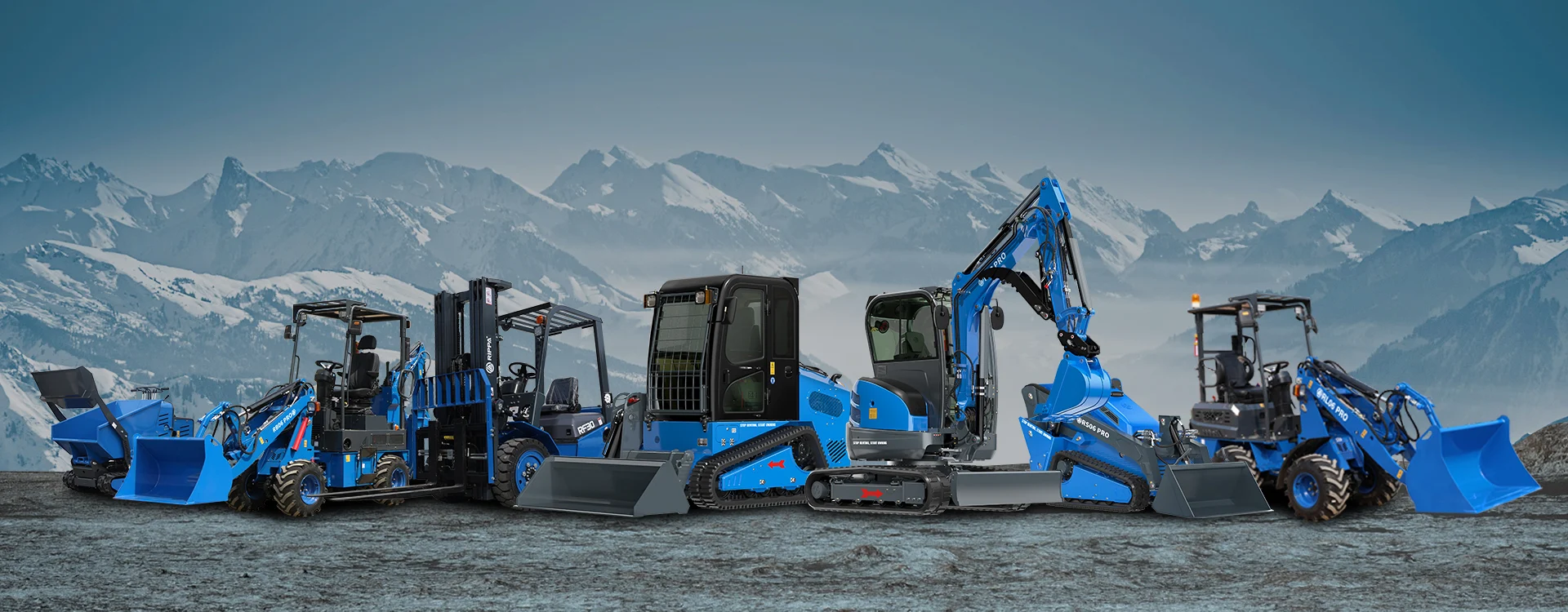
Many buyers today look for compact Chinese skid steer loaders because they offer solid features, practical designs, and competitive cost. Reliable suppliers such as RIPPA provide multiple size classes for farms, contractors, rental fleets, and dealers.
Reflexiones finales
Understanding skid steer weight helps you avoid buying a machine that is too small or too large for your needs. Small machines offer maneuverability, medium models deliver balance, and large units provide maximum lifting power.
The best skid steer is not always the biggest one—it is the machine with the right weight, capacity, and efficiency for your daily work.



 Inicio
 Productos
 Correo electrónico
 WhatsApp