
May 22, 2026
A mini excavator’s hydraulic system uses pressurized fluid to power all machine movements – digging, swinging, traveling, and attachment operation. The engine drives a hydraulic pump that sends oil through valves to cylinders and motors. When you move a joystick, you open a valve that directs pressurized oil to a specific cylinder (like the boom cylinder) or motor (like the swing motor). The pressure creates force – up to 3,000‑5,000 PSI in most mini excavators. The system is closed‑loop, meaning oil returns to the tank to be filtered, cooled, and reused. Keeping hydraulic oil clean and at the right level is critical – most hydraulic system failures come from contamination or low fluid.
Key fact: Hydraulic systems can last 5,000‑10,000 hours with proper maintenance, but a single contamination event can destroy a pump in minutes.
| Component | Function | Typical Cost to Replace |
|---|---|---|
| Bomba hidráulica | Converts engine power into hydraulic flow | 2,500‑5,000 |
| Válvulas de control | Direct oil flow to cylinders and motors | 1,500‑3,000 |
| Cylinders | Convert oil pressure into linear motion | 500‑1,500 each |
| Hydraulic motors | Convert oil pressure into rotary motion | 1,500‑3,000 each |
| Hydraulic tank | Stores oil, allows air to separate | 500‑1,000 |
| Oil cooler | Removes heat from hydraulic oil | 300‑800 |
| Filters | Remove contaminants from oil | 50‑150 each |
| Hoses and fittings | Carry oil between components | Varies |
How they work together: The pump draws oil from the tank, pressurizes it, and sends it to the control valves. When you move a joystick, the valve opens, sending pressurized oil to a cylinder or motor. The oil pushes the piston (cylinder) or spins the motor, creating movement. Then oil returns to the tank through the cooler and filter to be reused.
Gear pump:
Simple, reliable, lower cost
Fixed displacement – pumps same volume regardless of demand
Less efficient – wastes energy when full flow isn’t needed
Found on smaller, budget‑friendly machines
Example: RIPPA R319 uses a gear pump
Variable displacement piston pump:
More complex, higher cost
Adjusts flow based on demand – only pumps what you need
More efficient – saves fuel
Smoother operation
Found on larger and PRO models
Ejemplo: RIPPA R322L uses a variable piston pump
Which is better? For homeowner use (occasional, light duty), a gear pump is fine. For commercial use (daily, heavy work), a variable displacement pump saves significant fuel and provides smoother control.
Problem #1: Slow or weak operation
| Possible Cause | Check | Solution |
|---|---|---|
| Low hydraulic fluid | Sight glass or dipstick | Add fluid – check for leaks |
| Clogged filter | Filter restriction indicator | Replace filter |
| Worn pump | Unusual noise, metal in fluid | Professional diagnosis |
| Relief valve stuck open | Pressure test | Professional repair |
Problem #2: Jerky movement
| Possible Cause | Check | Solution |
|---|---|---|
| Air in system | Milky fluid appearance | Bleed system – cycle cylinders fully |
| Low fluid | Level check | Add fluid |
| Contaminated fluid | Fluid color, smell | Change fluid and filter |
| Worn cylinder seals | External leaks, drift | Rebuild cylinder |
Problem #3: Cylinder drift (load drops when controls are centered)
| Possible Cause | Check | Solution |
|---|---|---|
| Worn cylinder seals | External leaks, wet rod | Rebuild cylinder |
| Control valve leakage | Pressure test | Professional repair |
Problem #4: Overheating
| Possible Cause | Check | Solution |
|---|---|---|
| Dirty oil cooler | Fins clogged with debris | Clean with compressed air |
| Low fluid | Level check | Add fluid |
| Continuous high load operation | Operating technique | Take breaks, reduce load |
| Relief valve stuck | Pressure test | Professional repair |
Problem #5: Cavitation noise (“marbles in a can” sound)
| Possible Cause | Check | Solution |
|---|---|---|
| Low fluid | Level check | Add fluid immediately |
| Clogged suction strainer | Filter inspection | Replace filter |
| Air leak in suction line | Inspect fittings | Tighten or replace |
Cavitation is serious – stop immediately. Running a hydraulic pump with cavitation destroys it within minutes. Check fluid level before restarting.
Fluid types:
ISO 46: Most common for mini excavators in moderate climates
ISO 32: For cold climates (better cold flow)
ISO 68: For hot climates (maintains viscosity)
Always use manufacturer‑recommended fluid – mixing types can damage seals
Change intervals:
First change: 500 hours (to remove break‑in contaminants)
Subsequent changes: 1,000‑2,000 hours depending on use
Dusty or heavy use: change more frequently
Oil analysis can extend intervals
How to check fluid condition:
Color: Clear amber is good; milky indicates water contamination; dark indicates oxidation
Smell: Burnt smell indicates overheating
Feel: Should feel oily, not gritty
When to change:
Fluid is milky (water contamination)
Fluid smells burnt (overheating)
Metal particles visible
At recommended hour interval
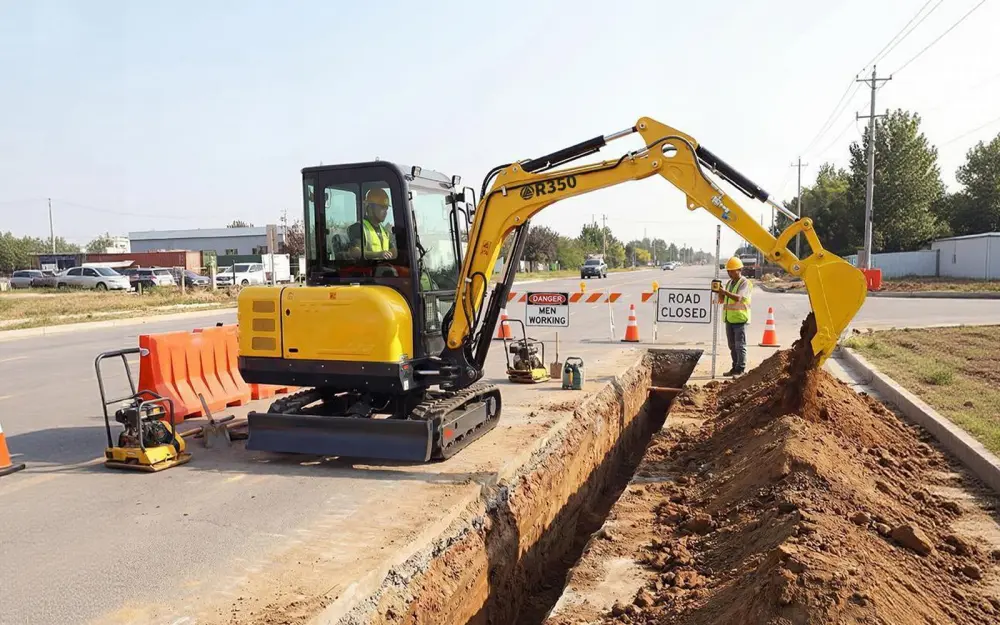
The hydraulic system has multiple filters that need regular replacement.
| Filter | Location | Change Interval | Coste |
|---|---|---|---|
| Return filter | On return line to tank | Every 500‑1,000 hours | 50‑100 |
| Suction strainer | In tank or on pump inlet | Every 1,000‑2,000 hours | 30‑80 |
| Case drain filter | On pump or motor case drains | Every 1,000 hours (if equipped) | 40‑100 |
Never run a machine with a clogged filter. A bypass valve may open, sending unfiltered oil through the system – contaminating everything.
Hydraulic hoses are wear items. They should be inspected regularly.
What to look for:
Abrasion – where hoses rub against each other or machine structure
Bulges – indicate internal failure, replace immediately
Cracking – weather checking, replace if deep
Leaks at fittings – tighten or replace
Age – rubber degrades over time, typically replace every 5‑7 years
A burst hose can cause serious injury – hydraulic fluid under pressure can inject through skin. Never use your hand to check for leaks. Use a piece of cardboard.
Winter preparation:
Consider using winter‑grade hydraulic oil (ISO 32) for better cold flow
Allow longer warm‑up time (10‑15 minutes at low RPM)
Cycle all functions gently before full operation
Check for water contamination (condensation in tank)
Summer preparation:
Clean oil cooler fins thoroughly
Check for proper airflow – remove debris from cooler
Consider synthetic fluid for better high‑temperature stability
Q: How often should I change hydraulic oil in my mini excavator?
A: Typically every 1,000‑2,000 hours, depending on operating conditions. Dusty or heavy use requires more frequent changes. Oil analysis can extend intervals.
Q: Can I use tractor hydraulic fluid in my excavator?
A: Not recommended. Excavator hydraulic systems have different specifications. Always use manufacturer‑recommended fluid.
Q: What causes milky hydraulic fluid?
A: Water contamination. This can come from condensation in the tank, leaks in the system, or pressure washing. Milky fluid must be changed – water damages pumps and valves.
Q: How do I know if my hydraulic pump is failing?
A: Signs include: slow operation, unusual noise (whining or knocking), metal particles in fluid, and overheating. A professional pressure test can confirm.
Q: Can I repair a hydraulic hose myself?
A: Yes, if you have the right tools. But replacement hoses must be rated for the correct pressure and size. Many owners buy pre‑made hoses from their dealer or a hydraulic shop.
Q: What’s the single most important hydraulic maintenance task?
A: Keep fluid clean and at the proper level. Most hydraulic failures come from contamination or low fluid – both preventable with regular checks.
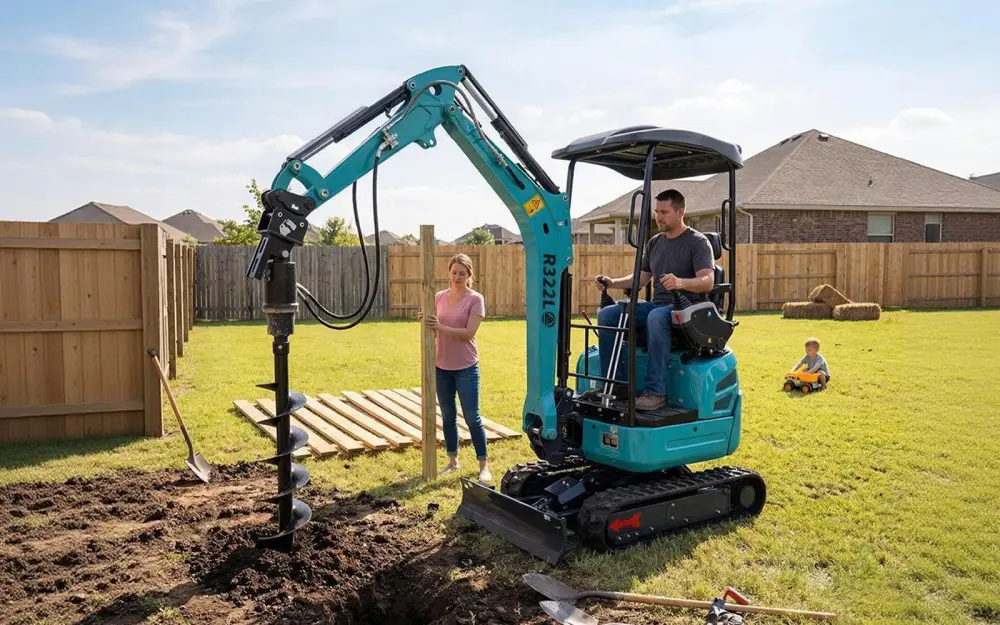
The hydraulic system is the heart of your miniexcavadora. Understanding how it works and performing regular maintenance – checking fluid levels, changing filters, inspecting hoses – will prevent costly failures and keep your machine running for years. Most hydraulic problems are preventable. The 5 minutes you spend checking fluid levels and looking for leaks each day can save you thousands in repairs.
Next step: Check your hydraulic fluid level today. Note the color and smell. Schedule a filter change if you don’t know when it was last done. Your pump will thank you.


 Inicio
 Productos
 Correo electrónico
 WhatsApp