

Abr 23, 2026
Operating a skid steer loader may look simple, but mastering it requires proper training, safety awareness, and hands-on experience. Whether you are a first-time operator or a contractor looking to train your team, understanding the correct operating procedures is essential for improving efficiency and avoiding costly mistakes.
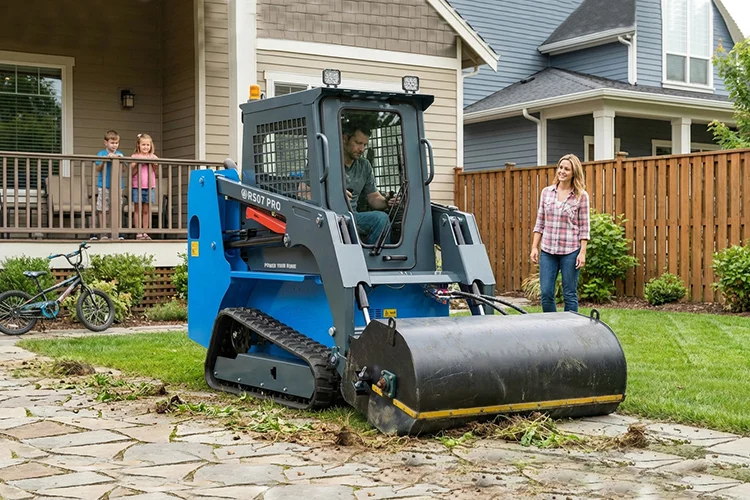
Before starting the machine, always perform a thorough inspection:
Check for visible damage, loose bolts, hydraulic leaks, or worn-out tires/tracks.
Ensure engine oil, hydraulic fluid, and coolant are at proper levels.
Confirm that the attachment is securely connected using the quick coupler system.
Inspect the job site for obstacles, uneven ground, or overhead hazards.
Modern skid steer loaders typically use either hand controls, foot controls, or joystick systems.
Understanding your specific machine’s control pattern is critical before operation.
Use the three-point contact method and ensure the cab door or safety bar is properly secured.
Insert the key or use the ignition system. Allow the engine to warm up for a few minutes, especially in cold conditions.
Disengage the parking brake and ensure all safety systems are activated.
Gently push the joystick forward to move ahead, and pull back to reverse. Practice smooth movements to avoid sudden jerks.
Use the right joystick to raise or lower the arms. Avoid lifting loads too high while moving, as this affects stability.
Tilt the bucket or operate the attachment according to the task. Maintain balance and avoid overloading.
Always keep heavy loads low while traveling to prevent tipping.
Sharp turns at high speed can destabilize the machine.
Watch for workers, structures, and underground utilities.
Never operate without proper safety restraints engaged.
Daily maintenance ensures longer machine life and better performance:
In many countries, operators are required to undergo training or certification programs. Even when not mandatory, proper training improves safety and efficiency significantly.
Operating a skid steer loader is a skill that combines technical knowledge with practical experience. By following proper procedures, maintaining safety standards, and practicing regularly, operators can maximize productivity while minimizing risks.


 Inicio
 Productos
 Correo electrónico
 WhatsApp