
Mar 13, 2026
When businesses search for new forklifts for sale, they often face dozens of options ranging from compact warehouse forklifts to heavy-duty industrial machines. Forklifts play a crucial role in logistics, manufacturing, construction, and warehousing. Choosing the right type can significantly improve productivity, reduce operating costs, and enhance workplace safety.
Today’s market offers big and small forklifts, each designed for specific applications. Understanding these different types will help companies invest in the right equipment for their operations.
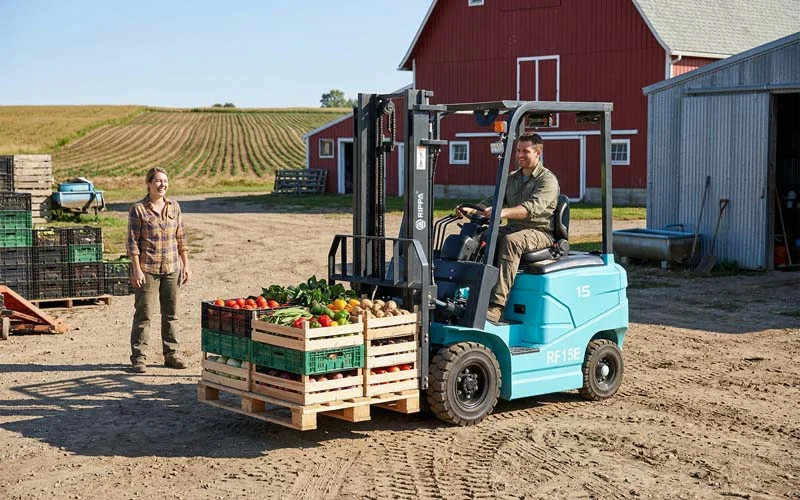
Electric forklifts are among the most popular choices for indoor environments such as warehouses and distribution centers.
Key advantages
●Zero emissions during operation
●Low noise levels
●Lower maintenance costs
●Ideal for indoor logistics
These forklifts are powered by rechargeable batteries and are perfect for operations that require clean and quiet environments, such as food storage and retail distribution centers.
Many modern manufacturers now produce high-efficiency electric forklifts with longer battery life and faster charging capabilities.
Diesel forklifts are known for their power and durability, making them suitable for heavy-duty outdoor work.
Typical applications
●Construction sites
●Shipping yards
●Industrial factories
●Heavy material handling
These machines usually offer higher lifting capacities compared to electric models. Businesses that frequently move large loads often rely on diesel forklifts due to their strong torque and long operating hours.
Liquefied Petroleum Gas (LPG) forklifts combine some advantages of both electric and diesel models.
Key benefits
●Faster refueling compared to battery charging
●Lower emissions than diesel engines
●Suitable for indoor and outdoor operations
LPG forklifts are widely used in industries that require continuous operations, such as logistics centers and large warehouses.
Rough terrain forklifts are specifically designed for uneven outdoor environments.
Common uses include
●Construction projects
●Agriculture
●Mining operations
●Infrastructure development
These forklifts feature large pneumatic tires, stronger frames, and powerful engines that allow them to handle challenging terrains.
Compact forklifts are designed for tight working spaces where larger machines cannot operate efficiently.
Advantages of small forklifts
●Easy maneuverability
●Lower purchase cost
●Ideal for small warehouses
●Efficient for narrow aisles
Small forklifts are increasingly popular among small businesses and light-duty logistics operations.
Choosing between a big forklift and a small forklift depends on several key factors.
Heavy industries may require forklifts capable of lifting several tons, while small warehouses may only need machines that lift 1–3 tons.
●Indoor environments: electric or compact forklifts
●Outdoor environments: diesel or rough terrain forklifts
Electric forklifts generally have lower long-term operating costs, while diesel models offer higher power for demanding jobs.
Before purchasing a forklift, businesses should evaluate several factors.
Important considerations include
●Maximum lifting capacity
●Lift height
●Power source
●Operating environment
●Maintenance requirements
●Total cost of ownership
Working with reliable manufacturers ensures access to quality machines, spare parts, and long-term service support.
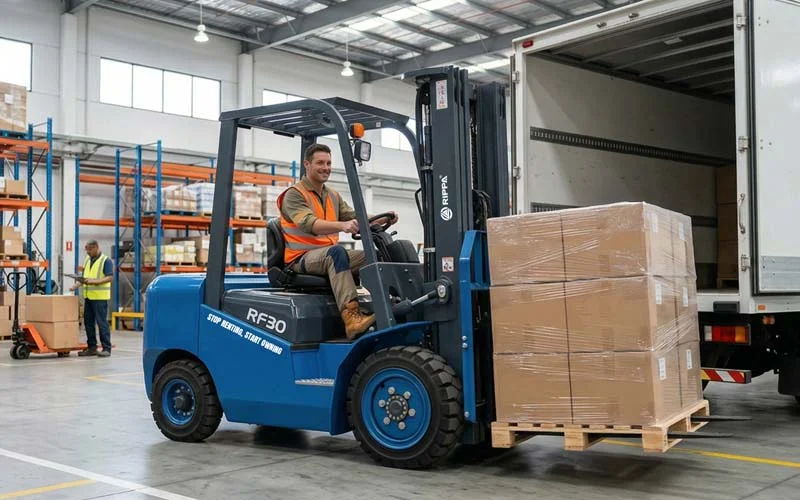
El mercado de new forklifts for sale includes a wide range of machines designed for different applications. From compact electric forklifts for warehouses to powerful diesel machines for industrial sites, businesses can choose equipment tailored to their operational needs.
Understanding the differences between big and small forklifts helps companies maximize efficiency, safety, and return on investment. With the right forklift, businesses can streamline material handling operations and improve overall productivity.





 Inicio
 Productos
 Correo electrónico
 WhatsApp