In the modern construction and heavy equipment industry, the wheel loader is one of the most essential machines used across construction sites, mining operations, agriculture, ports, and industrial facilities. Known for its powerful loading capabilities, excellent mobility, and versatility, the wheel loader has become a critical asset for improving productivity and operational efficiency.
This guide covers everything you need to know about wheel loaders, including their functions, types, applications, advantages, maintenance tips, and future technology trends.
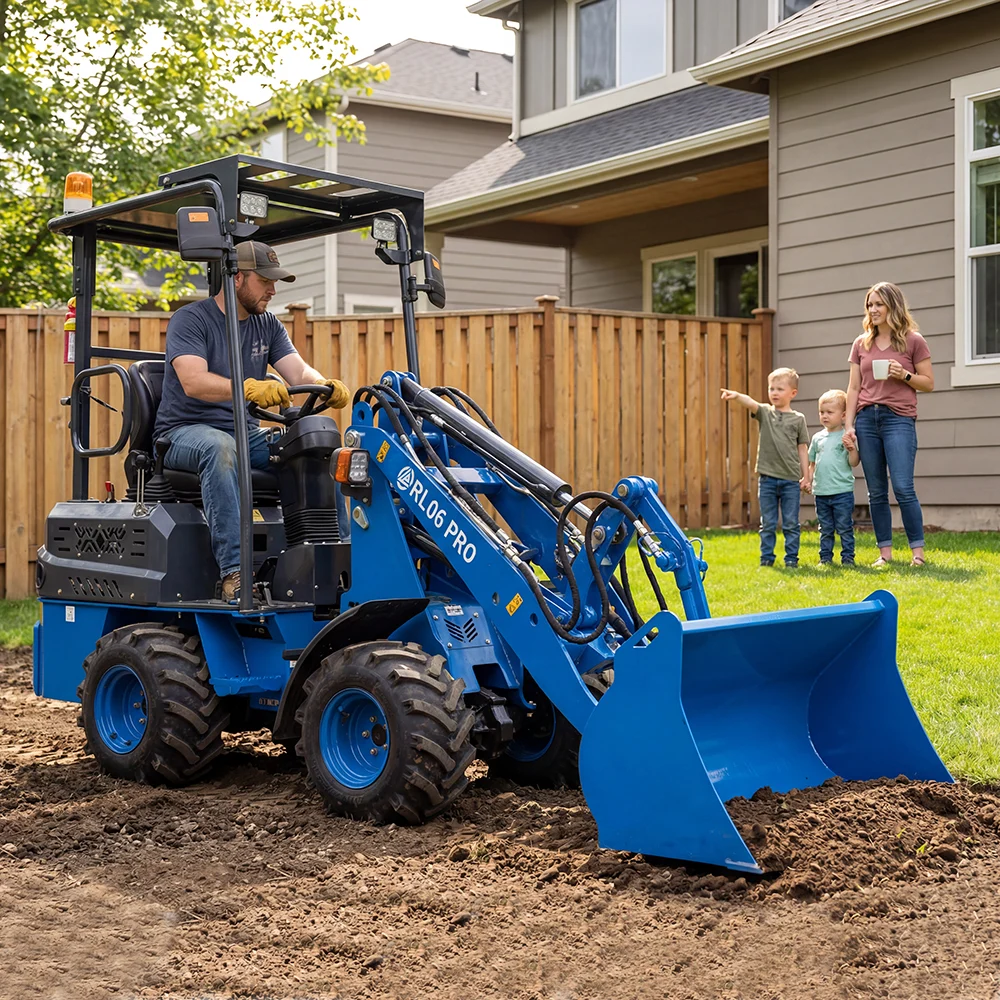
What Is a Wheel Loader?
A wheel loader is a heavy-duty construction machine designed to move, load, carry, and transport materials such as sand, gravel, soil, rocks, coal, debris, and other bulk materials.
Unlike tracked loaders, wheel loaders use large rubber tires, allowing them to travel faster and maneuver more easily across different terrains. They are commonly equipped with a front-mounted bucket operated by a hydraulic lifting system.
The main components of a wheel loader include:
- Engine
- Υδραυλικό σύστημα
- Bucket
- Tires and axles
- Operator cab
- Transmission system
Wheel loaders are widely valued for their speed, flexibility, and ability to handle demanding workloads efficiently.
How Does a Wheel Loader Work?
A wheel loader operates through a hydraulic system that powers the lifting arms and bucket attachment.
The typical operating process includes:
- Driving toward the material pile
- Lowering the bucket
- Scooping material into the bucket
- Lifting the bucket using hydraulic power
- Transporting the material
- Dumping the material into trucks, hoppers, or storage areas
Modern wheel loaders often include advanced technologies such as:
- Automatic weighing systems
- GPS tracking
- Intelligent hydraulic controls
- Fuel-saving systems
- Operator assistance features
These technologies help improve productivity, reduce fuel consumption, and enhance safety.
Types of Wheel Loaders
Wheel loaders are available in different sizes and configurations depending on the application.
Compact Wheel Loaders
Compact wheel loaders are designed for smaller jobs and confined spaces.
Common applications include:
- Διαμόρφωση τοπίου
- Small construction projects
- Γεωργία
- Material handling in warehouses
Βασικά πλεονεκτήματα:
- Excellent maneuverability
- Lower fuel consumption
- Easy transportation
- Reduced operating costs
Medium Wheel Loaders
Medium-sized wheel loaders are the most commonly used machines in the construction industry.
They are suitable for:
- Road construction
- Quarry operations
- Building projects
- Industrial loading tasks
Benefits include:
- Balanced performance
- Strong lifting capacity
- Versatility for multiple applications
Large Wheel Loaders
Large wheel loaders are built for heavy-duty industrial and mining operations.
Typical uses include:
- Mining
- Port handling
- Large-scale earthmoving
- Heavy material transportation
Features include:
- High horsepower engines
- Massive bucket capacities
- Reinforced structural components
- Superior productivity in extreme conditions
Main Applications of Wheel Loaders
Construction Industry
Wheel loaders are heavily used in construction for:
- Loading trucks
- Transporting aggregates
- Site preparation
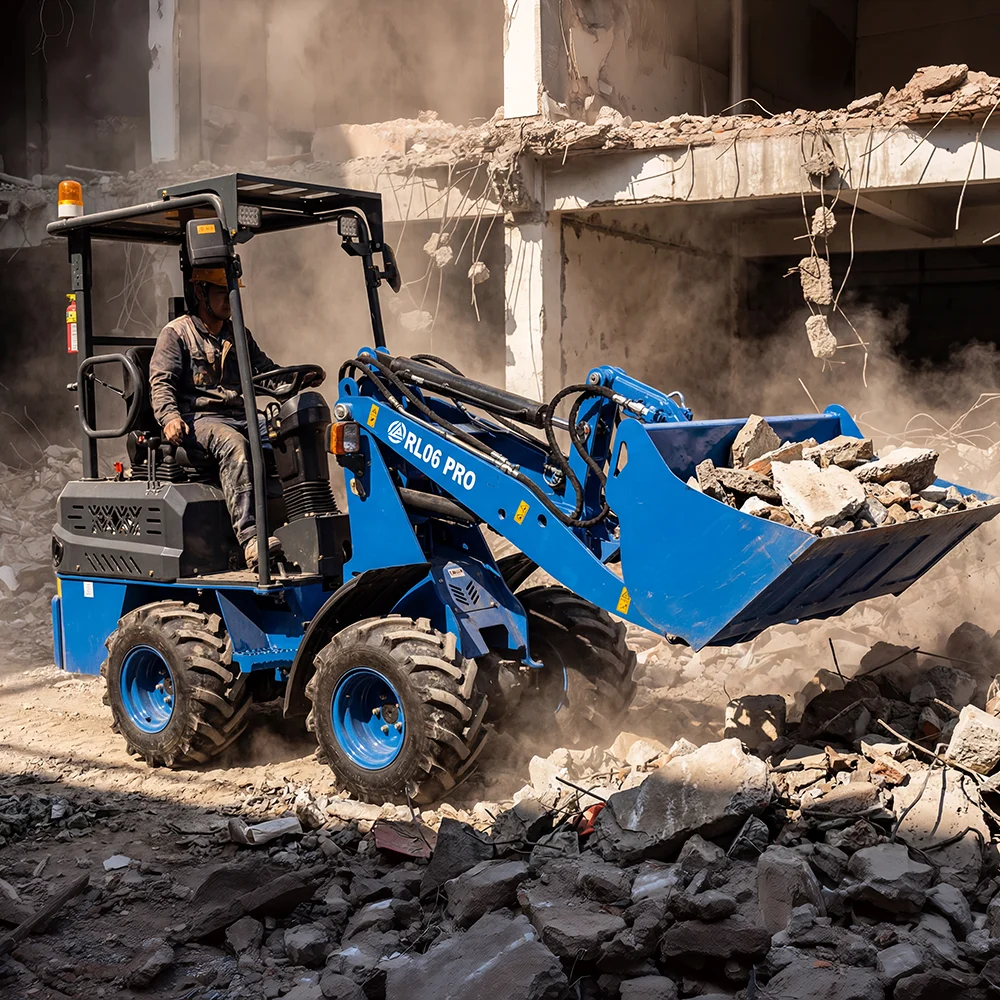
- Debris removal
- Earthmoving operations
Their speed and flexibility make them ideal for busy construction environments.
Mining Operations
Mining sites rely on wheel loaders for handling large volumes of material.
Typical mining tasks include:
- Ore loading
- Coal transportation
- Stockpile management
- Tunnel cleanup
Large wheel loaders significantly improve operational efficiency in mining projects.
Γεωργία
In modern farming, wheel loaders are used for:
- Feeding livestock
- Moving hay and silage
- Transporting fertilizer
- Cleaning barns
- Handling agricultural products
Their versatility makes them highly valuable on farms.
Waste Management and Recycling
Wheel loaders are commonly used in recycling plants and waste management facilities for:
- Loading recyclable materials
- Sorting waste
- Transporting debris
- Managing landfill operations
Advantages of Wheel Loaders
High Mobility
Wheel loaders can travel much faster than tracked equipment, making them ideal for operations requiring frequent movement between locations.
Their rubber tires also reduce damage to paved surfaces.
Excellent Versatility
Wheel loaders can use various attachments, including:
- Forks
- Grapples
- Snow blades
- Sweepers
- Material handling arms
This allows one machine to perform multiple tasks efficiently.
Fuel Efficiency
Modern wheel loaders are designed with fuel-saving technologies such as:
- Smart hydraulic systems
- Eco operating modes
- Automatic idle shutdown
- Efficient engine management systems
These features help reduce operating costs.
Operator Comfort and Safety
Modern wheel loader cabins are designed for maximum comfort and safety.
Features often include:
- Air-conditioned cabins
- Ergonomic seating
- Touchscreen controls
- Rearview cameras
- 360-degree visibility systems
- Noise reduction technology
Improved comfort helps reduce operator fatigue during long working hours.
How To Choose the Right Wheel Loader
Selecting the right wheel loader depends on several important factors.
Operating Weight
The operating weight affects:
- Stability
- Lifting capability
- Ground pressure
- Overall performance
Heavier machines are generally better for demanding applications.
Bucket Capacity
Bucket size directly impacts productivity.
Larger buckets can move more material per cycle, improving efficiency on large projects.
Engine Power
Different applications require different power levels.
Mining and heavy construction projects typically require higher horsepower machines.
Terrain Conditions
The working environment plays a major role in machine selection.
Considerations include:
- Muddy surfaces
- Rocky terrain
- Sand
- Snow and ice
- Steep slopes
Choosing the correct tire type and drivetrain is essential.
Maintenance and Service Support
Reliable after-sales service is critical for minimizing downtime.
When choosing a wheel loader, consider:
- Availability of spare parts
- Service network
- Warranty coverage
- Technical support
Leading Wheel Loader Manufacturers
Several global manufacturers dominate the wheel loader market.
Top brands include:
- Caterpillar
- Komatsu
- Volvo Construction Equipment
- Liebherr
- Hitachi
- XCMG
- SANY
- LiuGong
These companies are known for producing durable, high-performance machines with advanced technology.
Maintenance Tips for Wheel Loaders
Proper maintenance is essential for maximizing performance and extending machine lifespan.
Important maintenance practices include:
- Regular hydraulic system inspections
- Engine oil changes
- Tire pressure checks
- Lubrication of moving parts
- Cleaning air filters
- Monitoring coolant levels
Preventive maintenance can significantly reduce repair costs and unexpected breakdowns.
Future Trends in Wheel Loader Technology
The wheel loader industry is rapidly evolving with new technologies focused on sustainability, automation, and efficiency.
Electric Wheel Loaders
Electric wheel loaders are becoming increasingly popular due to:
- Zero emissions
- Lower operating costs
- Reduced noise pollution
- Lower maintenance requirements
Many manufacturers are investing heavily in electric construction equipment.
Autonomous and Smart Operations
Automation is transforming heavy equipment operations.
Future wheel loaders may feature:
- Autonomous driving
- Remote operation
- Intelligent obstacle detection
- Automated loading cycles
These innovations improve safety and productivity.
Advanced Telematics Systems
Modern telematics systems allow operators and fleet managers to monitor:
- Fuel usage
- Machine location
- Maintenance schedules
- Equipment performance
- Real-time diagnostics
This data helps optimize fleet management and reduce downtime.
Συμπέρασμα
Wheel loaders are among the most versatile and valuable machines in the heavy equipment industry. Their ability to handle multiple tasks efficiently makes them essential for construction, mining, agriculture, waste management, and industrial operations.
Understanding the different types, applications, and technological advancements of wheel loaders can help businesses choose the right equipment and improve operational productivity.
As the industry continues moving toward automation, electrification, and smart technology, wheel loaders will remain a key driver of efficiency and innovation in modern construction and material handling operations.



 Αρχική σελίδα
 Προϊόντα
 Ηλεκτρονικό ταχυδρομείο
 WhatsApp