
Φεβ 24, 2026
Buying a forklift is an important investment for warehouses, logistics companies, construction suppliers, and equipment dealers. With the rapid growth of global e-commerce and supply chain operations, businesses in 2026 are looking for forklifts that are efficient, durable, and cost-effective.
This forklift buying guide explains how to evaluate models, compare options, and reduce long-term operating costs. Many global buyers today are also exploring competitive manufacturers such as RIPPA, which provide modern equipment with strong value for international markets.
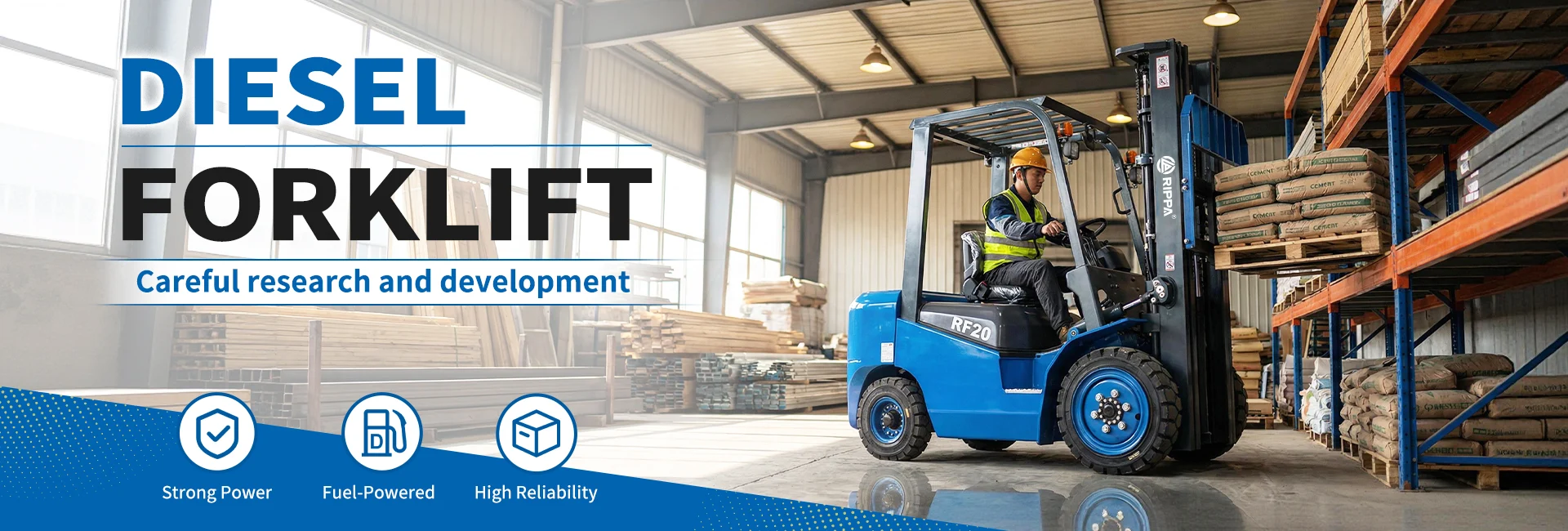
Before choosing a forklift, businesses must evaluate how the machine will be used.
Common applications include:
Warehouse pallet handling
Loading and unloading trucks
Manufacturing material transport
Construction material handling
Port and logistics operations
Different environments require different forklift specifications. For example, indoor warehouses often prioritize compact electric forklifts, while outdoor yards typically require diesel-powered machines.
Forklifts are categorized by how much weight they can safely lift.
Typical capacity ranges:
| Capacity | Common Use |
|---|---|
| 1–1.5 ton | Small warehouses and retail storage |
| 2–2.5 ton | Standard logistics and distribution |
| 3 ton | Industrial material handling |
| 5 ton or more | Construction and heavy cargo |
Choosing a forklift with the correct capacity improves safety and prevents unnecessary wear on the machine.
The power system directly affects operating cost, maintenance, and working environment.
Best for indoor warehouses.
Advantages:
Low noise
Zero emissions
Lower long-term energy cost
Smooth operation
Ideal for heavy-duty outdoor jobs.
Advantages:
High torque
Strong lifting ability
Reliable performance for long shifts
A balanced solution.
Advantages:
Fast refueling
Flexible indoor and outdoor use
Consistent power output
Selecting the right power type helps businesses control fuel costs and maximize efficiency.
Warehouse design greatly influences forklift selection.
Important factors include:
Aisle width
Rack height
Floor conditions
Loading dock configuration
Narrow aisle warehouses often require compact forklifts with tighter turning radiuses. Larger facilities may benefit from higher lift heights and stronger engines.
Many buyers focus only on purchase price, but the real cost of a forklift includes long-term expenses.
Key cost factors:
Purchase price
Fuel or electricity consumption
Maintenance and spare parts
Operator training
Downtime and repairs
Αξία μεταπώλησης
Machines with strong reliability and efficient engines typically deliver better return on investment.
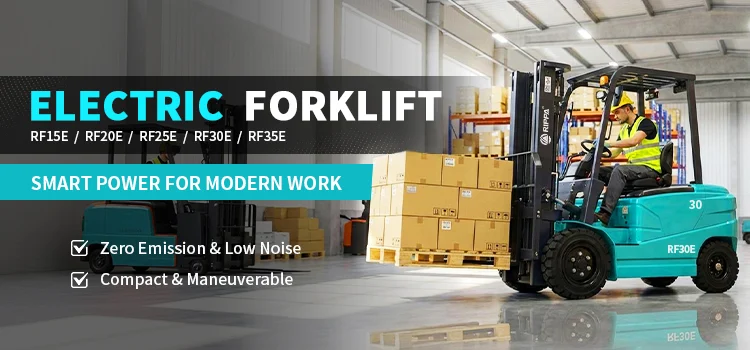
New forklift models in 2026 include advanced technologies that improve performance and safety.
Important features include:
Ergonomic operator cabin
Improved visibility
Fuel-efficient engines
Stable hydraulic lifting systems
Enhanced braking and safety design
These features help businesses improve productivity while protecting operators.
In recent years, Chinese equipment manufacturers have become major suppliers in the global material-handling industry.
Reasons include:
Competitive pricing
Improved engineering quality
Fast production capacity
Global export experience
Dealer support programs
For distributors and equipment importers, these advantages create opportunities to grow local markets while maintaining healthy profit margins.
Businesses can reduce costs by following a few key strategies.
Choose the right capacity instead of overspending on oversized equipment.
Compare multiple suppliers before purchasing.
Consider fuel efficiency and maintenance requirements.
Evaluate warranty and parts availability.
Buy from manufacturers with global service support.
These steps help companies make smarter purchasing decisions.
Both options can work depending on your budget and usage.
New forklifts offer:
Warranty protection
Latest technology
Longer lifespan
Used forklifts offer:
Lower upfront investment
Quick availability
However, buyers should carefully inspect maintenance history before purchasing used equipment.
Choosing the right forklift in 2026 requires balancing price, performance, durability, and operating cost. Businesses that carefully compare options and evaluate total cost of ownership can significantly improve warehouse efficiency and profitability.
A well-chosen forklift is not just equipment—it is a long-term productivity tool for any logistics or industrial operation.


 Αρχική σελίδα
 Προϊόντα
 Ηλεκτρονικό ταχυδρομείο
 WhatsApp