Understanding skid steer weight is essential when choosing the right machine for construction, landscaping, agriculture, and material handling projects. Machine weight directly affects lifting capacity, transportation requirements, ground pressure, and job site performance.
This skid steer weight guide explains the differences between small, medium, and large skid steer loaders and helps buyers select the best machine for their operational needs.
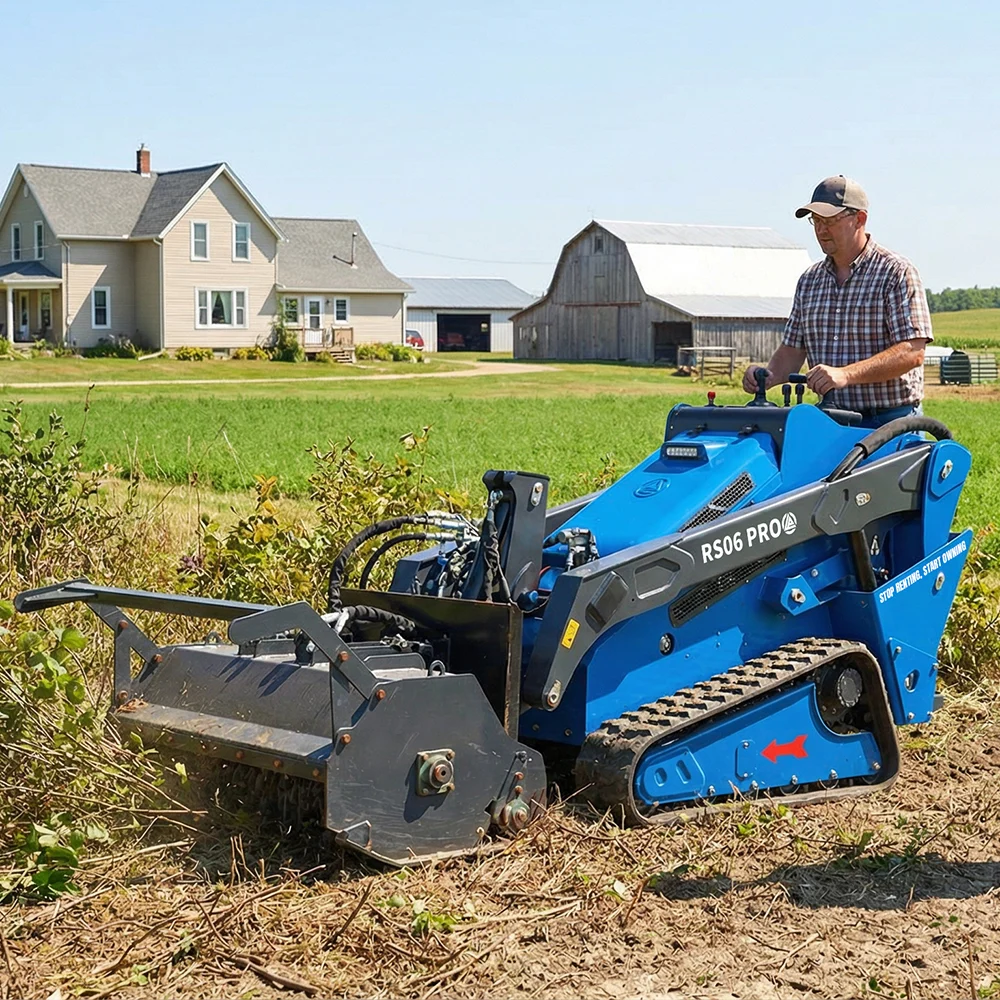
Why Skid Steer Weight Matters
Operating weight influences several important performance factors.
Key Impacts of Machine Weight
- Lifting capability
- Stability
- Jordtryk
- Fuel consumption
- Transportation requirements
- Job site accessibility
Choosing the wrong weight class can reduce productivity and increase operating costs.
Small Skid Steer Loaders
Typical Weight Range
1,500–6,000 lbs (680–2,700 kg)
Small skid steers are designed for:
- Residential construction
- Landskabspleje
- Farm maintenance
- Indoor projects
Advantages of Small Skid Steers
Compact Design
Small machines easily access:
- Narrow gates
- Tight urban areas
- Indoor construction sites
Lavere driftsomkostninger
Smaller loaders generally offer:
- Better fuel efficiency
- Easier transportation
- Reduced maintenance expenses
Reduced Surface Damage
Lower ground pressure minimizes damage to:
- Lawns
- Pavement
- Delicate landscaping
Medium Skid Steer Loaders
Typical Weight Range
6,000–8,000 lbs (2,700–3,600 kg)
Medium-sized skid steers are among the most versatile machines available.
Best Applications
- Utility work
- General construction
- Material handling
- Road maintenance
Advantages
- Improved lifting capacity
- Better hydraulic performance
- Greater attachment compatibility
Many contractors consider medium skid steers the best balance between size and productivity.
Large Skid Steer Loaders
Typical Weight Range
8,000–12,000+ lbs (3,600–5,400+ kg)
Large skid steers are built for demanding commercial and industrial applications.
Best Applications
- Heavy-duty construction
- Demolition
- Large-scale earthmoving
- Industrial material handling
Advantages
- Maximum lifting capacity
- Superior stability
- Strong breakout force
- High-flow hydraulic systems
Wheeled vs Tracked Loader Weight Differences
Wheeled Skid Steers
Characteristics
- Lower overall weight
- Faster travel speed
- Lower maintenance costs
Compact Track Loaders
Characteristics
- Heavier machine weight
- Better traction
- Lower ground pressure
- Improved soft-ground performance
Track loaders often weigh more due to reinforced undercarriage systems.
Transportation Considerations
Heavier skid steers require:
- Larger trailers
- More powerful towing vehicles
- Higher transportation costs
Before purchasing, verify:
- Trailer capacity
- Local transportation regulations
- Job site accessibility
Weight vs Lifting Capacity
Generally, heavier skid steers provide:
- Greater rated operating capacity
- Better stability
- Stronger hydraulic performance
However, heavier machines may reduce maneuverability in confined spaces.
How to Choose the Right Weight Class
Choose Small Models If You Need
- Tight-space access
- Easy transportation
- Landscaping efficiency
Choose Medium Models If You Need
- Versatility
- Balanced lifting power
- General construction capability
Choose Large Models If You Need
- Maximum productivity
- Heavy material handling
- Large commercial project performance
Expert Recommendations
Professionals recommend evaluating:
- Typical job site conditions
- Attachment requirements
- Transportation logistics
- Ground conditions
- Future project needs
Selecting the appropriate weight class improves efficiency while reducing unnecessary operating expenses.
Konklusion
Skid steer loader weight plays a critical role in machine performance, transportation, and operational flexibility. Small machines excel in landscaping and residential work, medium loaders offer excellent versatility, and large skid steers dominate heavy-duty commercial projects.
Before investing in a skid steer loader, carefully match machine weight to your project requirements, transportation capabilities, and attachment needs to maximize productivity and long-term value.



 Hjem
Hjem
 Produkter
 E-mail
 WhatsApp