
Úno 23, 2026
Choosing the right machine can directly affect productivity, operating costs, and project efficiency. For contractors, landscapers, farmers, and equipment dealers, the debate between a smykem řízený nakladač and a compact track loader (CTL) is common. Both machines are versatile, compact, and capable of handling multiple attachments, but each performs better in different environments.
This guide explains the real differences between skid steers and compact track loaders so you can decide which machine is best for your business.
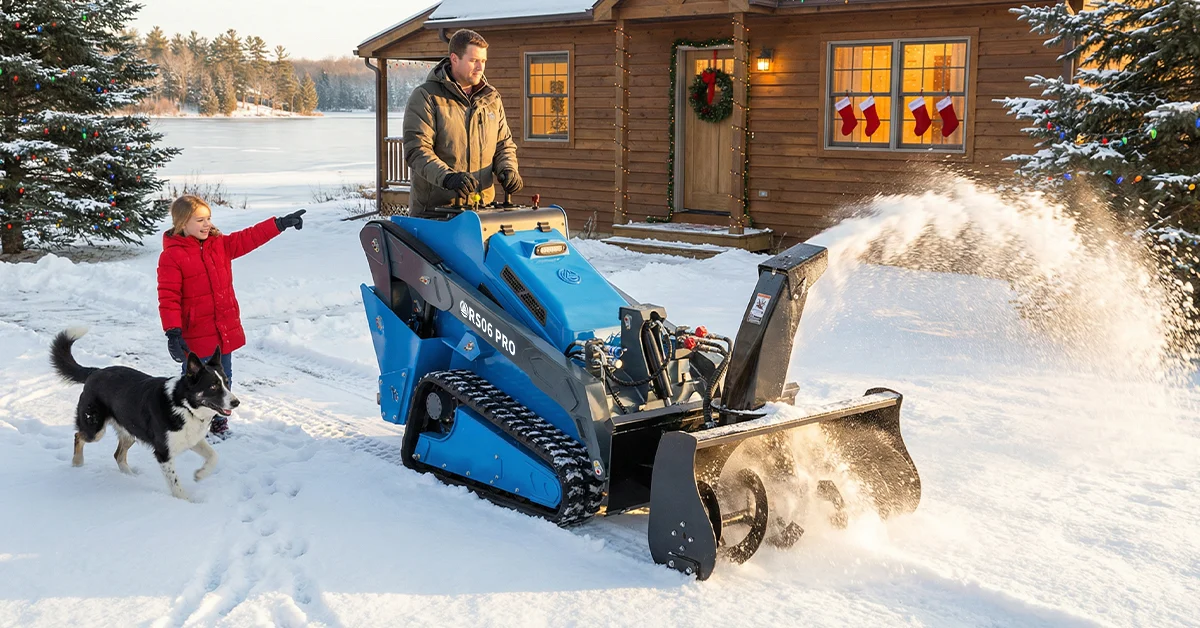
A smykem řízený nakladač is a compact, wheeled construction machine designed for maneuverability and multi-purpose work. The machine turns by skidding its wheels in opposite directions, allowing it to rotate within its own footprint.
1. Lower Purchase Cost
Skid steer loaders are typically more affordable than track machines. This makes them ideal for startups, small contractors, and equipment dealers looking for a strong return on investment.
2. Faster Travel Speed
Wheeled skid steers usually move faster across job sites and between work areas, which improves efficiency on large projects.
3. Easier Maintenance
Compared with track systems, wheels are simpler and cheaper to maintain or replace. This reduces downtime and operating costs.
4. Best for Hard Surfaces
Skid steers perform best on:
●Concrete
●Asphalt
●Compacted soil
●Warehouse floors
●Urban construction sites
For snow removal, material handling, and loading trucks, skid steers are often the preferred choice.
A kompaktní pásový nakladač is similar in size and function to a skid steer but uses rubber tracks instead of wheels. These tracks distribute weight more evenly across the ground.
1. Superior Traction
Track loaders provide excellent grip on:
●Mud
●Sand
●Snow
●Wet soil
●Uneven terrain
This makes them ideal for forestry, landscaping, and rural construction.
2. Lower Ground Pressure
Tracks spread machine weight across a larger surface area, reducing damage to sensitive ground like lawns or soft soil.
3. Better Stability
Compact track loaders maintain stability when lifting heavy loads or operating on slopes.
4. Increased Pushing Power
Because of their traction, CTLs often outperform wheeled machines in digging and grading tasks.
| Funkce | Smykem řízený nakladač | Kompaktní pásový nakladač |
|---|---|---|
| Mobility | Wheels | Rubber Tracks |
| Best Terrain | Hard, flat surfaces | Soft, muddy, uneven ground |
| Purchase Cost | Lower | Higher |
| Maintenance Cost | Lower | Higher |
| Travel Speed | Faster | Slower |
| Traction | Moderate | Excellent |
In general, skid steers focus on efficiency and affordability, while compact track loaders focus on traction and terrain capability.
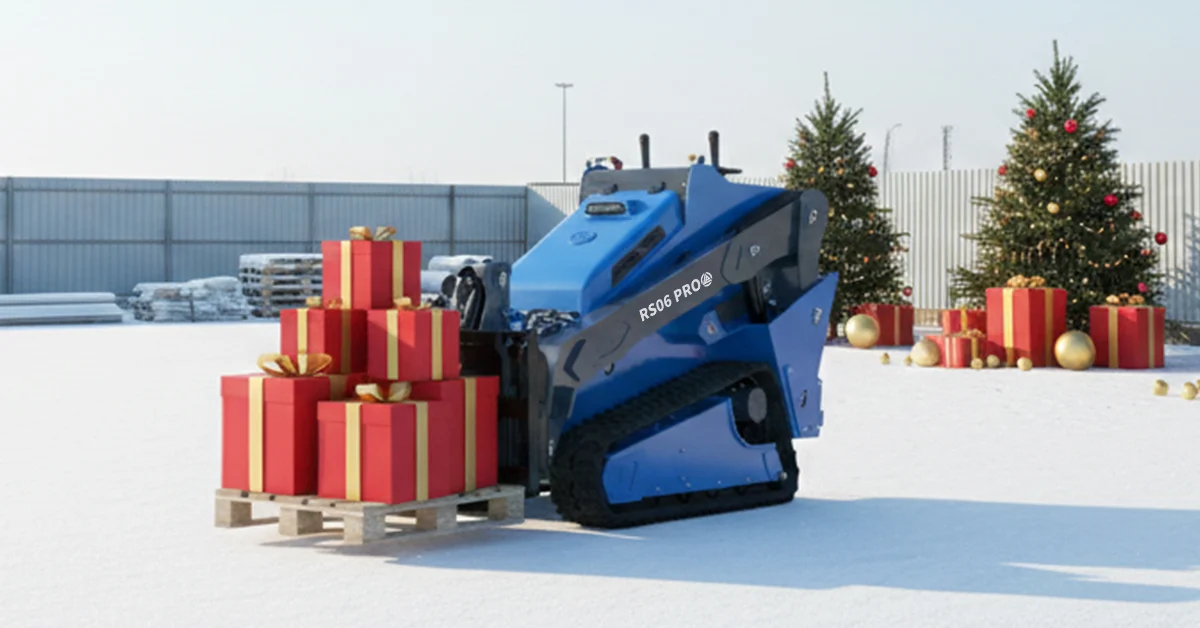
A skid steer is the better option if your work involves:
●Urban construction
●Road projects
●Indoor demolition
●Warehouse material handling
●Snow removal
●Frequent machine transportation
Contractors also prefer skid steers when operating costs and machine versatility are priorities.
Many equipment dealers report that wheeled skid steers are easier to resell and maintain, making them attractive for rental fleets.
A compact track loader is the smarter investment when working in:
●Wet environments
●Farms
●Landscaping projects
●Forestry operations
●Loose soil construction sites
Businesses that regularly deal with mud or unstable ground benefit greatly from the traction provided by tracks.
However, the higher purchase price and maintenance costs should be considered when calculating long-term ROI.
One reason these machines are so popular is their attachment compatibility. Both skid steers and compact track loaders can use tools such as:
●Buckets
●Augers
●Hydraulic breakers
●Trenchers
●Pallet forks
●Snow blowers
●Grapples
This flexibility allows one machine to perform the work of several pieces of equipment.
For contractors looking to maximize job site efficiency, attachments are often more important than the base machine itself.
When evaluating equipment, companies should consider both initial cost a operating expenses.
Typical cost factors include:
●Purchase price
●Fuel consumption
●Maintenance
●Tire or track replacement
●Transport costs
Skid steers usually win in affordability, while compact track loaders deliver stronger performance in difficult environments.
Despite the growing popularity of track loaders, skid steer loaders remain widely used worldwide. Their combination of:
●Lower price
●High versatility
●Easier maintenance
●Faster operation
makes them especially popular among contractors, equipment dealers, and rental companies.
Many modern manufacturers are also improving hydraulic systems, operator comfort, and attachment capabilities, making new skid steer models more competitive than ever.
Before purchasing equipment, consider these questions:
What type of terrain do you work on most often?
How important is machine transport and travel speed?
What is your budget for purchase and maintenance?
Will the machine be used for multiple job types?
Do you plan to use many attachments?
If your projects mainly occur on hard surfaces and require efficiency, a skid steer loader is likely the better investment. If traction and ground protection are more important, a compact track loader may be the right choice.
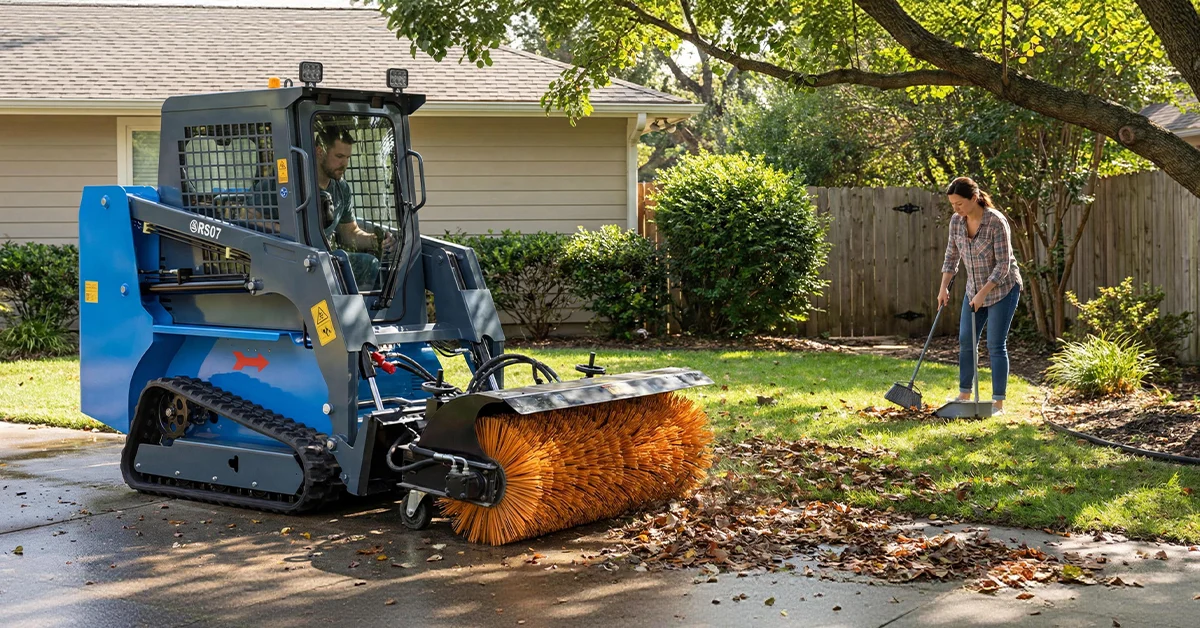
Both skid steer loaders and compact track loaders are essential machines in modern construction, agriculture, and landscaping. The right choice depends on your working conditions, budget, and long-term business goals.
For many companies, starting with a reliable skid steer provides the best balance of cost, versatility, and performance. As operations grow and projects expand into more challenging terrain, adding a compact track loader can further increase productivity.





 Home
Home
 Produkty
 E-mail
 WhatsApp