
ян. 09, 2026
The difference between a skid steer and a track loader lies primarily in undercarriage design, ground interaction characteristics, and terrain adaptability, which determine how each machine fits specific operating scenarios rather than indicating overall superiority.
Skid steers and track loaders are both compact loaders designed to perform material handling and attachment-based work, but they are optimized for different surface conditions and job site requirements. The comparison between skid steer vs track loader is usually centered on undercarriage type, ground pressure and traction, и surface adaptability.
A skid steer typically operates on wheels and is commonly used on firm, paved, or compacted surfaces. A track loader typically operates on rubber tracks and is commonly used on soft, uneven, or low-bearing ground. These differences influence where each machine performs effectively. There is no absolute advantage between the two; suitability depends on matching machine characteristics to specific work environments.
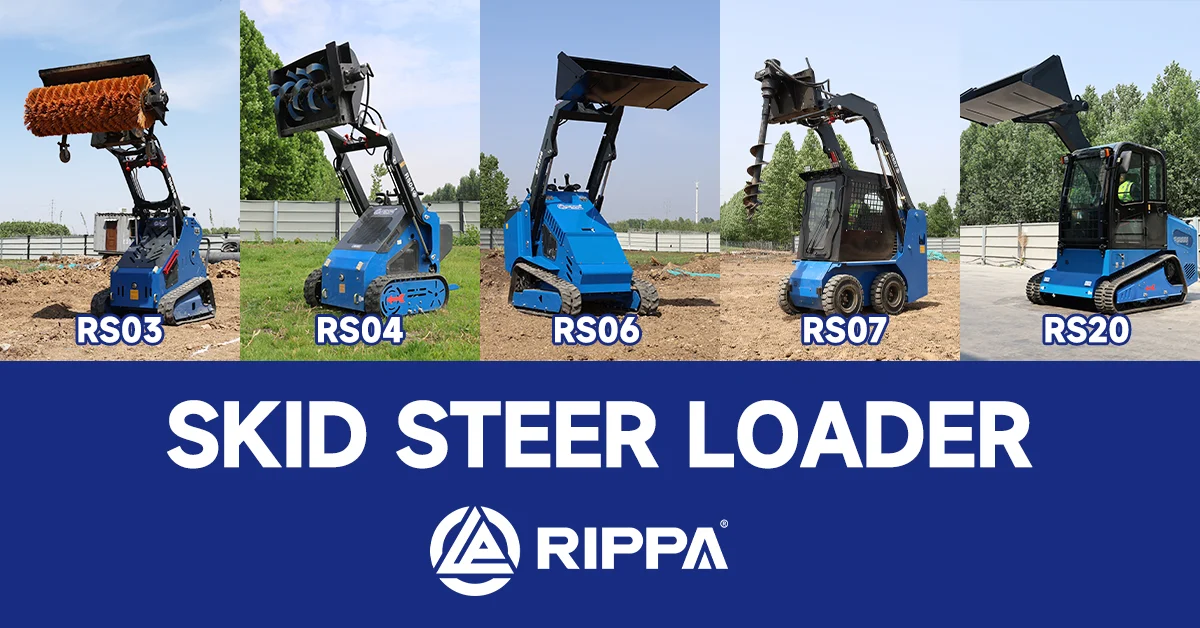
The most fundamental difference between a skid steer and a track loader is the undercarriage system.
A skid steer uses wheels, which concentrate machine weight on relatively small contact points. This results in higher ground pressure but lower rolling resistance, making wheeled machines effective on firm and stable surfaces.
A track loader uses rubber tracks that distribute the machine’s weight across a wider surface area. This reduces ground pressure and increases flotation, allowing the machine to remain stable on soft soil, mud, sand, or snow.
In terms of traction, skid steers are typically suited for dry, compacted, or paved ground where wheel grip is sufficient. On loose or wet surfaces, wheel slippage can occur more easily.
Track loaders are typically suited for environments where traction is difficult to maintain, such as muddy construction sites or landscaped areas with loose soil. The continuous track contact improves grip and stability, especially on slopes or uneven terrain.
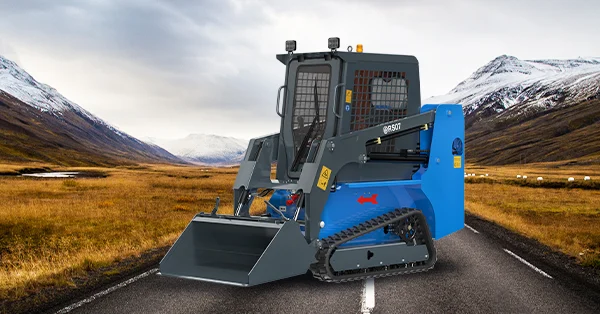
Surface interaction represents another key difference.
Skid steers tend to be more compatible with finished surfaces such as concrete floors, asphalt, or warehouse interiors, where tire wear is manageable and surface damage is limited.
Track loaders tend to minimize surface sinking on soft ground but may increase abrasion and component wear when operated frequently on hard or abrasive surfaces, due to track friction and heat buildup.
Yes. Both machines typically use a similar quick-attach system and can operate many of the same buckets, forks, augers, and hydraulic attachments, depending on hydraulic specifications.
No. Skid steers and track loaders serve different surface conditions, and neither machine fully replaces the other across all environments.
Operating cost differences tend to follow usage patterns. Track loaders usually show higher maintenance complexity due to track systems, while skid steers are more sensitive to traction limitations.
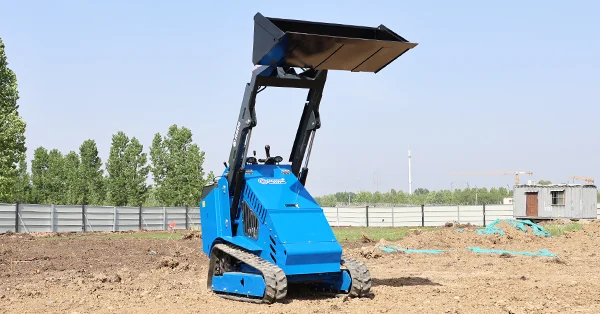
The comparison of skid steer vs track loader is best understood through surface conditions, traction needs, and ground impact considerations.
Rather than identifying a single better option, the distinction highlights a scenario-based match between machine design and operating environment, where appropriate selection depends on how and where the machine is used.





 Начало
 Продукти
 Имейл
Имейл
 WhatsApp