
ян. 09, 2026
When assessing best skid loader for the money, the focus is not on identifying a single superior machine, but on understanding how different decision dimensions interact under real operating conditions. Key factors include intended use scenarios, operating frequency, performance boundaries, ownership and maintenance constraints, и expected service life under workload. Each factor involves trade-offs: higher capacity can increase operational range but also raises complexity; compact size improves access but limits load handling; broader attachment capability expands use cases while increasing hydraulic demands. Because job requirements, environments, and utilization patterns differ, there is no unified optimal choice. Value is determined by how effectively a skid loader’s capabilities align with specific operational needs and limitations rather than by a single defining attribute.
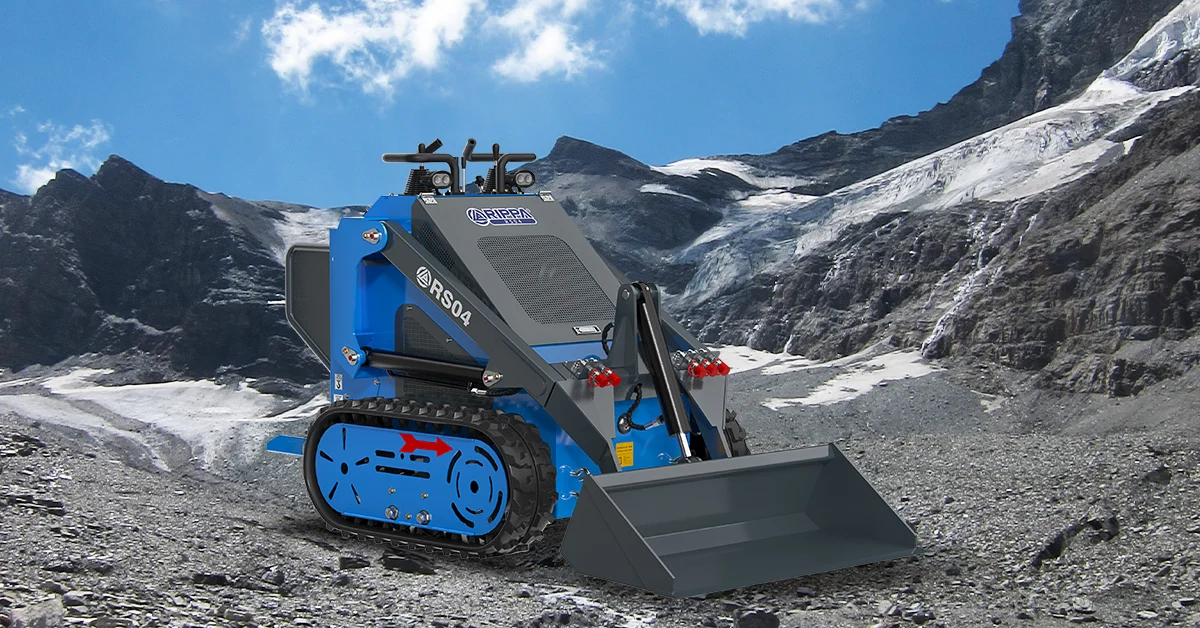
Clarifying where and how the skid loader will be used is essential. Typical scenarios include construction site material handling, landscaping, agricultural maintenance, snow removal, and property upkeep. Surface conditions, space constraints, and task repetition directly influence suitability.
Usage intensity affects component wear and maintenance expectations. Occasional use differs significantly from daily or continuous operation in terms of durability requirements and downtime tolerance.
Core requirements usually involve:
These define minimum functional thresholds rather than maximum output targets.
Skid loader parameters establish operational limits:
Enhancing one parameter typically constrains another, making balance more important than optimization.
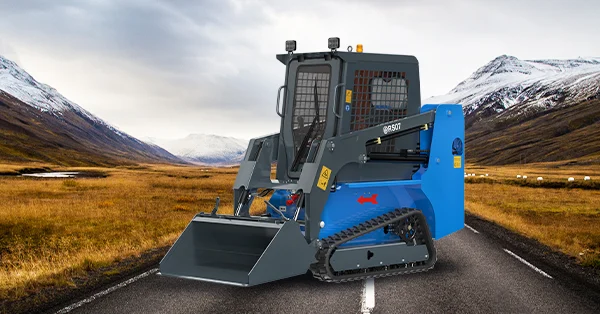
Emphasis is often placed on:
These scenarios usually prioritize:
Indoor use shifts focus toward:
Environmental factors such as dust, moisture, temperature variation, and surface hardness influence wear patterns. Limited access to technical support or service facilities constrains acceptable system complexity.
Maintenance demands increase with:
Alignment between machine requirements and maintenance capacity is critical for long-term usability.
A skid loader may not be suitable in the following cases:
In such conditions, alternative equipment types may better fit functional needs.
No. Increased capacity expands load range but can reduce maneuverability and access.
No. Suitability depends on matching parameters and attachments to specific tasks.
No. Versatility expands use cases but does not remove structural or performance boundaries.
The concept of best skid loader for the money should be understood as a matching exercise, not a definitive answer. Purchase decisions are most effective when machine capabilities, parameter limits, and operating conditions are aligned through reasonable matching, rather than assuming a single solution fits all scenarios.





 Начало
 Продукти
 Имейл
Имейл
 WhatsApp